Alkaline Earth Metals On The Periodic Table
Ever wondered what makes fireworks so vibrant or why your bones are so strong? The answer lies, in part, with a fascinating group of elements called the alkaline earth metals! They might sound intimidating, but they're actually pretty cool and play a surprisingly big role in our everyday lives. We'll explore what makes them special and how you might encounter them even without realizing it.
So, why should you care about alkaline earth metals? Well, it depends on who you are! For beginners just starting to learn about chemistry, these elements are a great introduction to understanding how elements are grouped together and how their properties relate to their position on the periodic table. They’re a perfect stepping stone to understanding more complex chemical concepts.
For families, knowing about alkaline earth metals can spark interesting conversations. You can talk about how calcium builds strong bones and teeth, or how magnesium is essential for plant growth in your garden. It’s a fun way to connect science with the world around you. And for hobbyists like gardeners or DIY enthusiasts, understanding the properties of these elements can be incredibly useful. Gardeners can use lime (containing calcium) to adjust soil pH, and DIYers might encounter magnesium in certain types of metal alloys.
Must Read
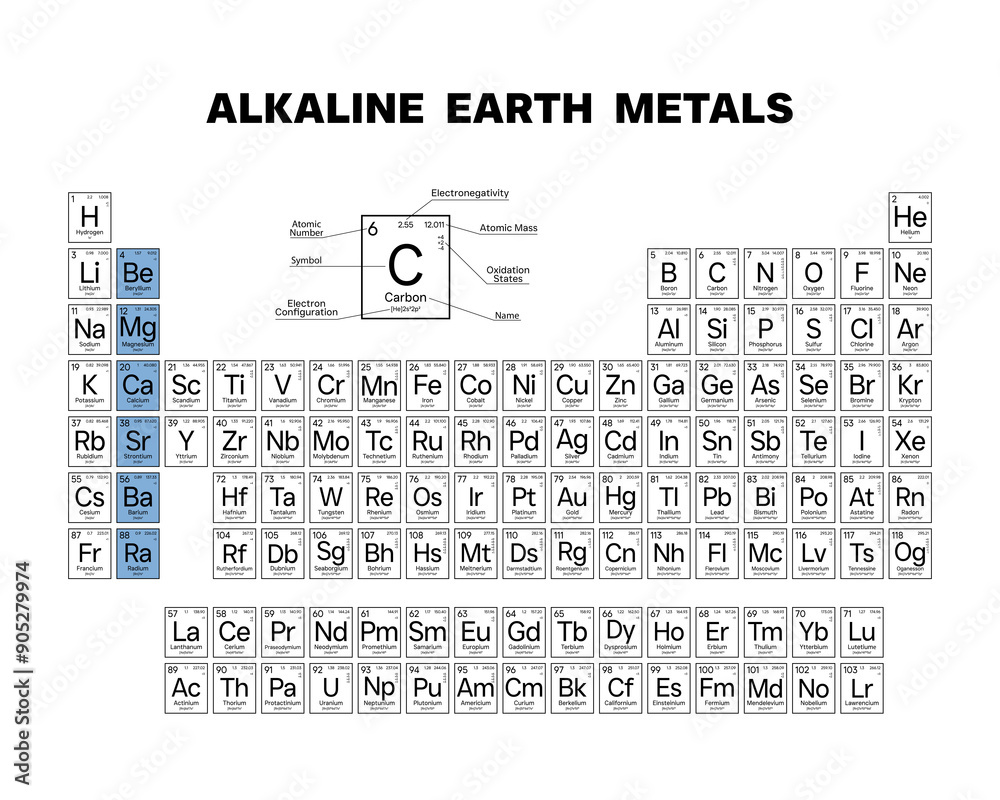
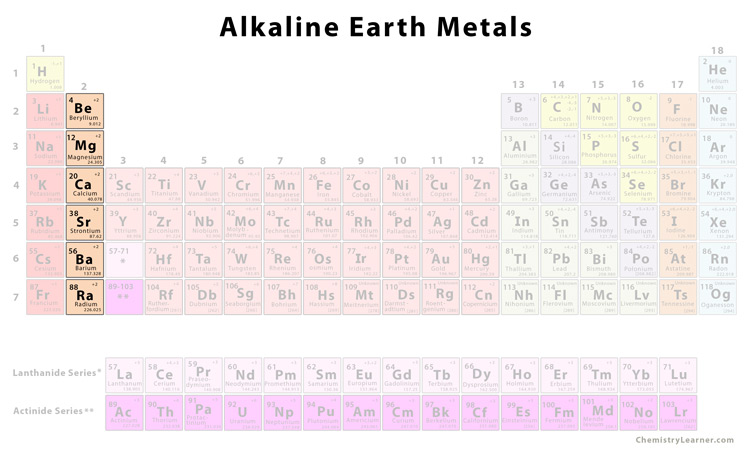
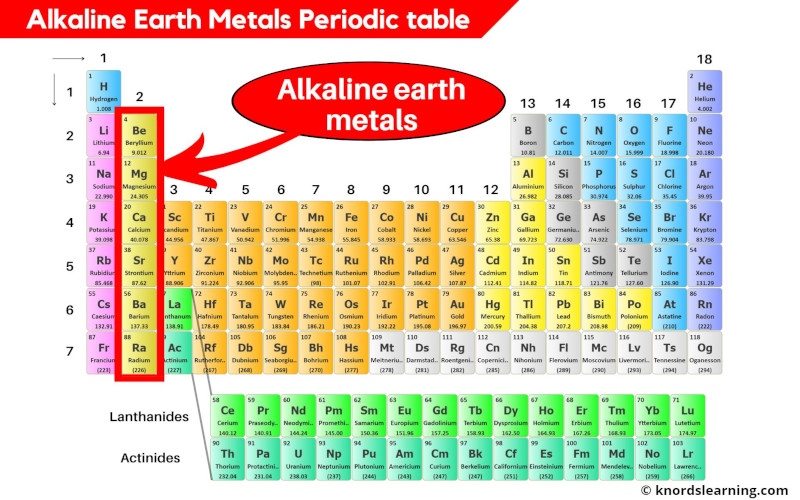
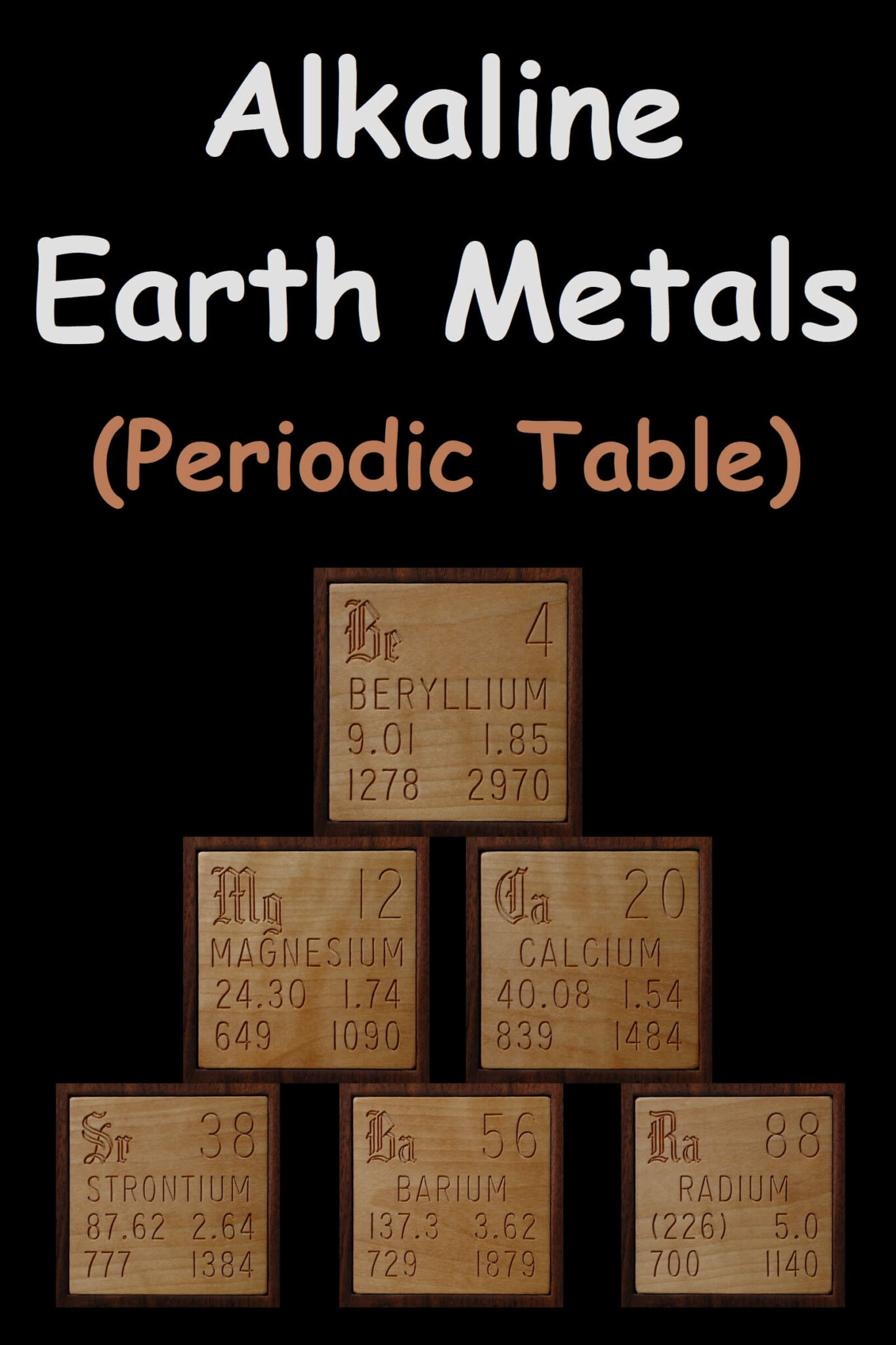
The alkaline earth metals include beryllium (Be), magnesium (Mg), calcium (Ca), strontium (Sr), barium (Ba), and radium (Ra). They all share some key characteristics. They are all silvery-white, fairly reactive metals. However, their reactivity increases as you go down the group on the periodic table. Magnesium, for instance, is found in Epsom salts, often used for soothing sore muscles. Calcium, as we know, is vital for bone health and is found in dairy products and leafy green vegetables. Strontium is responsible for the brilliant red color in some fireworks. And barium compounds are sometimes used in medical imaging to help doctors see the digestive system more clearly.
A particularly interesting variation is the difference in reactivity. Beryllium is relatively unreactive compared to radium, which is radioactive and quite reactive. This highlights how subtle changes in atomic structure can lead to dramatic differences in chemical behavior. Think of it like comparing a calm, collected person to someone who's always ready for action – both are people, but they behave very differently!
Want to get started learning more? Here are a few simple tips: * Explore the Periodic Table: Spend some time looking at the periodic table and find the alkaline earth metals. Notice their position in Group 2. * Everyday Observations: Pay attention to products you use every day that contain these elements. Read the labels and see if you can identify any alkaline earth metals. * Online Resources: There are tons of great websites and videos that explain alkaline earth metals in simple terms. Search for "alkaline earth metals for beginners." * Do a simple experiment: With adult supervision, you can demonstrate that Magnesium reacts with acids by placing a small piece of magnesium ribbon into a test tube of dilute hydrochloric acid.
Learning about the alkaline earth metals doesn’t have to be a chore. It's an opportunity to appreciate the building blocks of our world and how they contribute to everything from the fireworks we enjoy to the strength of our bones. So, dive in, explore, and have fun discovering the amazing world of chemistry!