Alkaline Earth Metals Belong To Which Group
Hey there, chemistry curious minds! Ever wonder about those shiny, reactive elements that just don't quite get all the limelight of, say, gold or platinum? I'm talking about the Alkaline Earth Metals. They're cool, they're important, and they have a special place in the periodic table. But...where is that place exactly? Let's dive in!
Finding Their Spot: Group Two, That's Who!
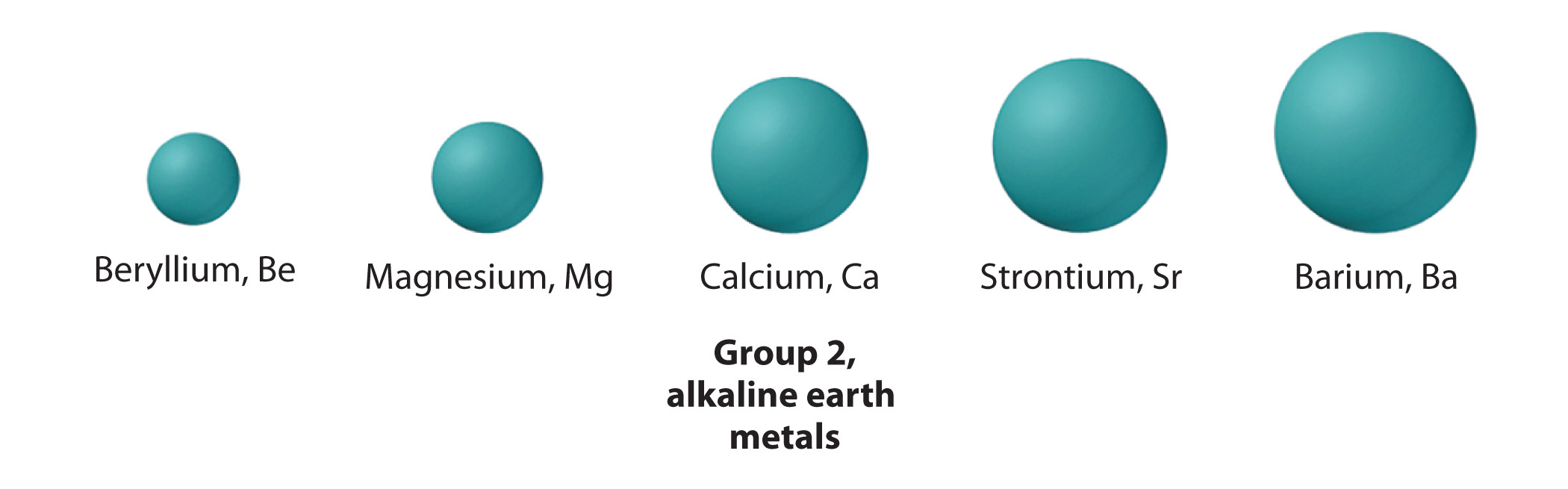
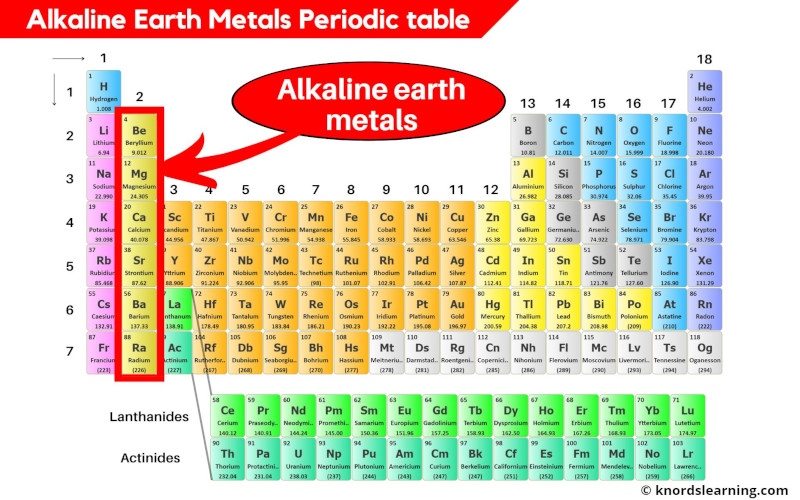
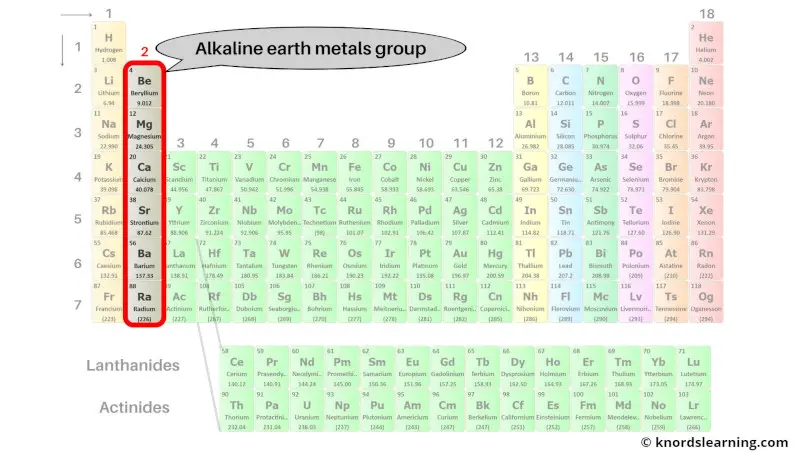
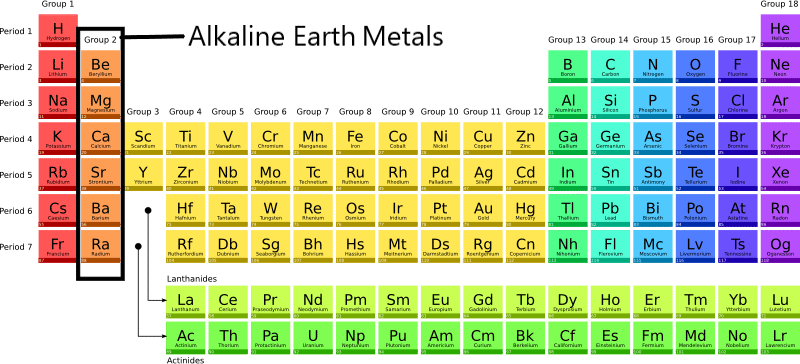
So, what group do these Alkaline Earth Metals belong to? The answer is... Group 2! Yep, right there next to the super-reactive Alkali Metals (Group 1). Think of the periodic table like a neighborhood. Group 1 is the really outgoing neighbor, always ready to react (maybe a little too much!). And Group 2? Well, they're still pretty reactive, but a little more reserved. They're like the slightly quieter, but still fun, neighbors next door.
But what does it mean to be in Group 2? Why are they called Alkaline Earth Metals anyway?
Must Read
The Group 2 Lowdown: Electrons & Reactivity
Being in Group 2 means these elements have something special in common: they all have two electrons in their outermost electron shell. Remember those electron shells from high school chemistry? They're like energy levels around the nucleus of an atom. Atoms want to have a full outermost shell, it makes them stable and happy. So, having two electrons to give away (or share) makes the Alkaline Earth Metals reactive.
Think of it like having two extra tickets to a concert. You're more likely to give them away (or trade them) to someone who really wants them, right? The Alkaline Earth Metals are similar. They're eager to get rid of those two electrons to achieve a more stable configuration.

Now, about that name... "Alkaline Earth"? Well, their oxides (compounds with oxygen) are alkaline, meaning they form basic solutions when dissolved in water. And, historically, many were first discovered in the Earth's crust, hence the "Earth" part. So, Alkaline Earth Metals! Pretty straightforward, actually.
Meet the Family: A Quick Introduction
Okay, who are these Group 2 members anyway? Let's meet the family:
- Beryllium (Be): The lightest of the bunch.
- Magnesium (Mg): Essential for life and found in chlorophyll (that green stuff in plants).
- Calcium (Ca): Makes up our bones and teeth! Talk about important.
- Strontium (Sr): Used in some fireworks to give them a vibrant red color.
- Barium (Ba): Used in medical imaging.
- Radium (Ra): Radioactive and historically used in medicine (though, now we know better!).
See? A diverse group with a range of uses! From keeping our bones strong to making fireworks explode with color, they play some pretty significant roles.
Why is This Important? It's All About Understanding the World!
Why should you care about which group the Alkaline Earth Metals belong to? Well, understanding the periodic table is like having a secret decoder ring for the universe! Knowing their group helps us predict their properties, how they'll react with other elements, and how they might be used in various applications. It's fundamental knowledge for anyone curious about the world around them.
Think of it like knowing the rules of a game. You can't play effectively if you don't understand the rules, right? Similarly, understanding the periodic table allows us to "play" with chemistry, designing new materials, medicines, and technologies.
Beyond the Basics: Fun Facts & Comparisons
Want to impress your friends at your next trivia night? Here are some fun facts:
- Magnesium is lighter than aluminum, which is why it's used in alloys for aircraft and other applications where lightweight strength is crucial.
- Calcium is more abundant in the Earth's crust than magnesium.
- Strontium is what makes some sea shells glow with phosphorescence.
So next time you see a firework display, or drink a glass of milk, or marvel at the lightness of an airplane, remember the Alkaline Earth Metals in Group 2. They're quietly working behind the scenes, making our world a little more interesting, a little more vibrant, and a whole lot more understandable. Aren't elements amazing!
Keep exploring, keep asking questions, and keep being curious about the wonderful world of chemistry!