Alfalfa Hay Price Per Ton 2024
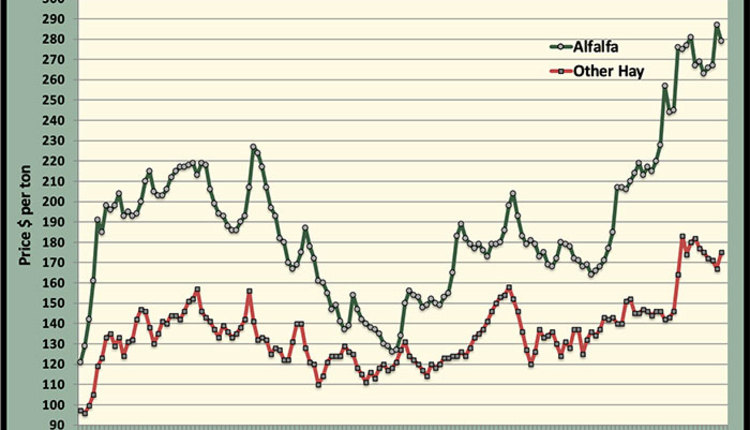
Alright, folks, let's talk hay! Specifically, alfalfa hay and what it's costing us in 2024. Now, I know what you might be thinking: "Hay? Exciting?" But trust me, if you're an animal lover, a small farmer, or even just curious about the agricultural world, understanding alfalfa hay prices is surprisingly fascinating – and potentially really helpful for your wallet!
So, why should you care about the price per ton of alfalfa hay? Well, it depends on who you are. For beginners just getting into the world of horses, rabbits, or other hay-eating critters, knowing the general price range helps you budget and avoid getting ripped off. Imagine accidentally paying double for your bunny's favorite snack – ouch! This knowledge empowers you to make informed decisions.
For families with larger livestock (maybe you've got a small herd of goats or some sheep), tracking alfalfa prices becomes even more crucial. It directly impacts your feeding costs, which is a major component of animal care. Knowing the market allows you to buy in bulk when prices are low, saving you serious money in the long run. Plus, understanding quality differences (more on that later!) ensures your animals are getting the best nutrition for their health and happiness.
Must Read
Even hobby farmers, who might grow some of their own hay, benefit from knowing the going rate. It helps them determine whether it's more cost-effective to buy hay from a supplier or continue growing their own, considering factors like fertilizer costs, time investment, and yield.
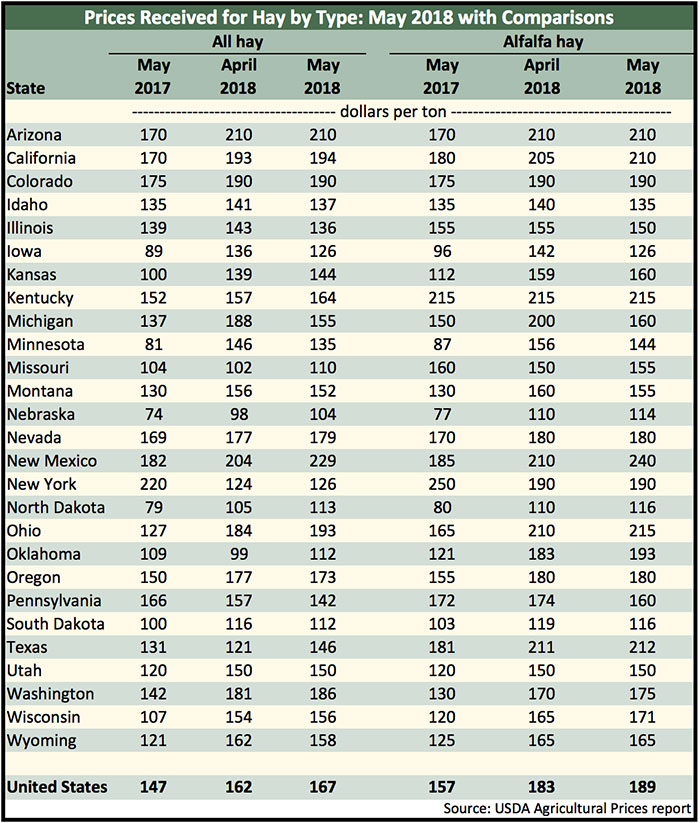
Now, let's talk variations. Alfalfa hay isn't just alfalfa hay. There are different grades (Premium, Good, Fair), which are based on factors like protein content, leaf-to-stem ratio, and moisture levels. Higher grades, like Premium, will naturally command a higher price. Also, keep an eye on location; prices can vary significantly depending on where you are in the country due to transportation costs and local supply/demand dynamics. A ton of alfalfa in California might cost noticeably different than a ton in Kansas.
Practical Tips for Getting Started:
- Do your research: Websites like USDA's Agricultural Marketing Service (AMS) often provide reports on hay prices in different regions.
- Talk to local farmers: They are a wealth of knowledge and can give you the inside scoop on current market conditions.
- Consider quality: Don't just focus on the price per ton. Ensure the hay is suitable for your animals' needs. Check for mold, dust, and weeds.
- Shop around: Get quotes from multiple suppliers to compare prices.
- Learn to identify different grades: Familiarize yourself with the visual cues that indicate hay quality.
Navigating alfalfa hay prices in 2024 might seem a bit daunting at first, but it's absolutely manageable. By doing a little research and following these simple tips, you can become a savvy hay buyer, ensuring your animals are well-fed and your wallet stays happy. So, go forth, explore the world of alfalfa, and enjoy the satisfaction of making informed, cost-effective choices for your furry, feathered, or woolly friends!