Al 6061 Modulus Of Elasticity

Ever marvel at the sleek design of a high-performance bicycle, the lightweight frame of an airplane, or even the sturdy casing of your favorite camera lens? Chances are, you're looking at something crafted from Aluminum 6061. This incredible alloy is a superstar in the world of materials, known for being strong, light, and incredibly versatile. But what makes it so special? Part of its magic lies in a property called the Modulus of Elasticity, and understanding it is like unlocking a secret superpower in engineering!
Think of it this way: when you push or pull on something, does it bend a lot or just a little? Does it spring back perfectly to its original shape, or does it stay permanently deformed? That "bendiness" or "stiffness" is what the Modulus of Elasticity quantifies. For Al 6061, this value tells engineers precisely how much it will stretch or compress, and crucially, how much it will elastically deform – meaning it will bounce back without any lasting damage. It's like knowing exactly how much a spring will give before it breaks or gets bent out of shape forever.
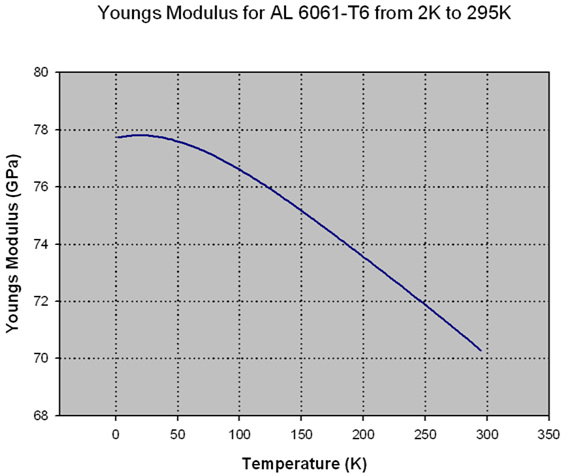
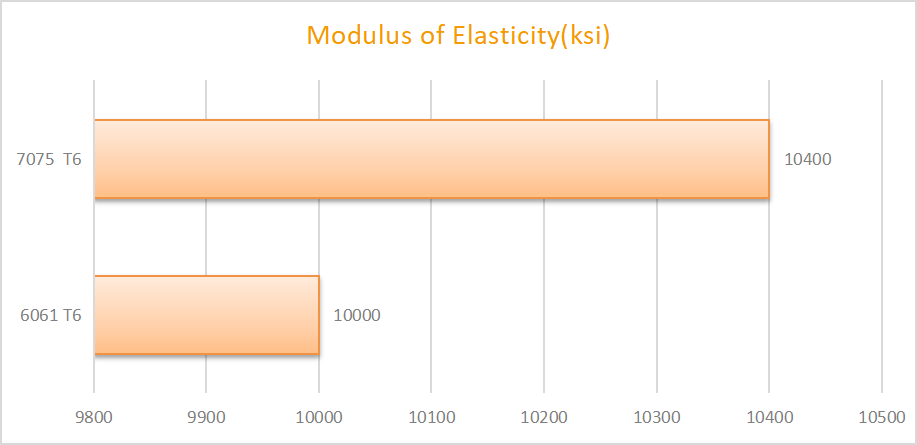
So, why is this number so incredibly useful? Imagine designing that bike frame. You want it to be light, yes, but also stiff enough so that your pedaling energy efficiently propels you forward, rather than being absorbed by a flexy frame. You also need it to absorb some road vibrations without feeling brittle. The Modulus of Elasticity of Al 6061 (which is approximately 69 GPa, or gigapascals, for the curious!) is a critical input here. Engineers use this specific value to calculate the ideal tube thickness and shape, ensuring the bike is both responsive and comfortable. It allows them to predict how the frame will behave under the stresses of riding, from sharp turns to bumpy terrain.
Must Read
Beyond bikes, this property is vital for countless applications. In aerospace, knowing the exact Modulus of Elasticity helps design aircraft components that can withstand extreme forces without permanent deformation, ensuring passenger safety. For architectural structures, it dictates how much a beam will sag under a given load, ensuring buildings are stable and long-lasting. Even in something as simple as a ladder, the Modulus of Elasticity ensures it won't wobble too much when you climb it, providing peace of mind.
Essentially, the Modulus of Elasticity for Al 6061 is the engineer's crystal ball. It allows them to predict performance, ensure safety, optimize designs for weight and cost, and ultimately, create the fantastic aluminum products we rely on every day. It's a reminder that behind every well-designed object is a fascinating world of material science, where numbers like this make all the difference in bringing strong, light, and reliable creations to life!