
Air Conditioner Working But Not Cooling House

Oh, the dreaded words! Your air conditioner is humming along, sounding like a happy little camper, but your house feels like a sauna. It's a summer bummer of epic proportions, right?
Fear not, fellow comfort seeker! We're about to embark on a quest to diagnose this chilly mystery and hopefully get your AC back on track to frosty glory.
First Things First: Is it Really Not Cooling?
Okay, let's do a quick reality check. Sometimes our perception can be a little... dramatic. Are you expecting it to feel like the Arctic in July? Maybe we can start to rule out some problems.
Must Read
Grab a thermometer! Seriously, stick it near a vent. Let it sit for, like, 15 minutes. Compare that reading to the temperature setting on your thermostat.
Ideally, the air coming out of the vent should be 15-20 degrees cooler than the air going in. If it's close to that, your AC is technically cooling, just maybe not enough.
Dirty Filter: The Villain in Disguise
Imagine trying to breathe through a sock stuffed with dust bunnies. That's basically what your AC is doing with a dirty filter. It's struggling!
A clogged filter restricts airflow, forcing your AC to work harder and less efficiently. Plus, it can even cause your system to freeze up – talk about a chilly irony!
So, where to find it? The air filter is usually located inside your indoor unit, near where the return air duct connects. Common spots include the wall or the unit itself.
Pull that bad boy out and hold it up to the light. If you can barely see through it, it's time for a replacement! Stock up on new filters – it's a super cheap and easy way to keep your AC happy.
Blocked Vents: The Hidden Obstacles
Are your vents playing peek-a-boo behind furniture, curtains, or that mountain of laundry you've been meaning to fold? Vents need to breathe!

Blocked vents prevent cool air from circulating properly, creating hot spots and making your AC work overtime. Plus you are defeating your investment in a good working AC unit.
Take a tour of your house and liberate those vents! Make sure they're clear of any obstructions. Even closing vents in unused rooms can actually hurt your system's efficiency.
Sealed Windows and Doors: The Escape Artists
Think of your house as a giant, leaky balloon. If cool air is escaping through cracks and gaps, your AC is fighting a losing battle. It's like trying to fill a bathtub with the drain open!
Check around windows and doors for any drafts. Caulk and weather stripping are your best friends here. Seal up those cracks and create a fortress of coolness!
Pay attention to the door that goes to your attic! Making sure that is sealed is as important. Attics are the source of a lot of rising heat.
The Thermostat Tango: Is it Set Correctly?
This might seem obvious, but double-check your thermostat settings. Is it set to "cool"? Is the temperature set lower than the current room temperature? You might be surprised!
Also, make sure your thermostat is in a good location. Avoid placing it near direct sunlight, heat sources, or drafty areas, as this can throw off its readings.
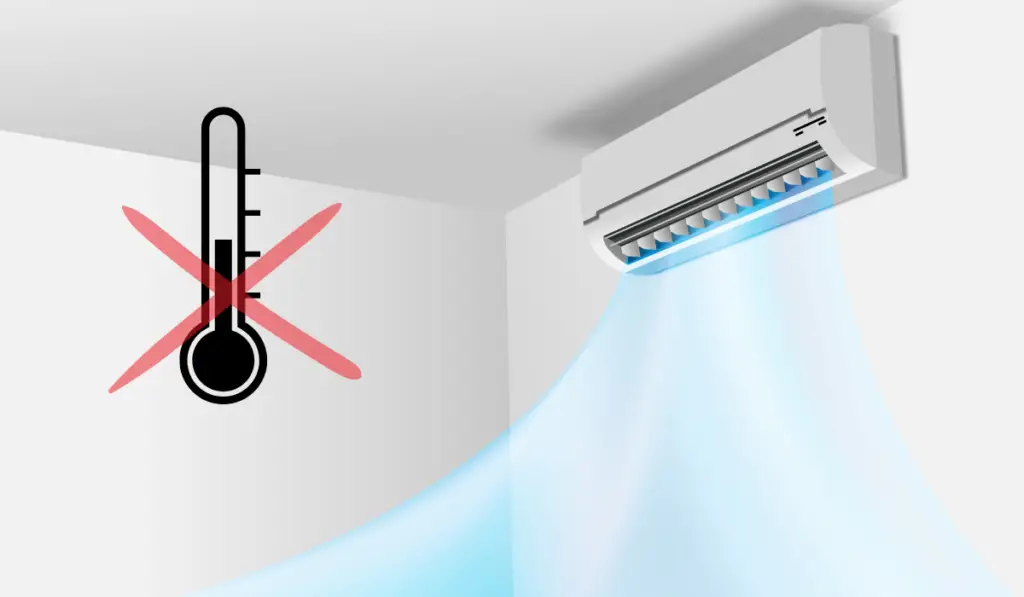
Programmable thermostats are great, but sometimes they can be tricky. Make sure yours is programmed correctly and not set to "heat" in the middle of July!
Outdoor Unit Issues: When Things Get Serious
Now, let's venture outside and take a look at your outdoor unit (also known as the condenser). This is where the magic (or lack thereof) happens.
Make sure there is no obstruction around it. There should be at least 2 feet of clearance around it.
Dirty Condenser Coils: The Grimy Culprit
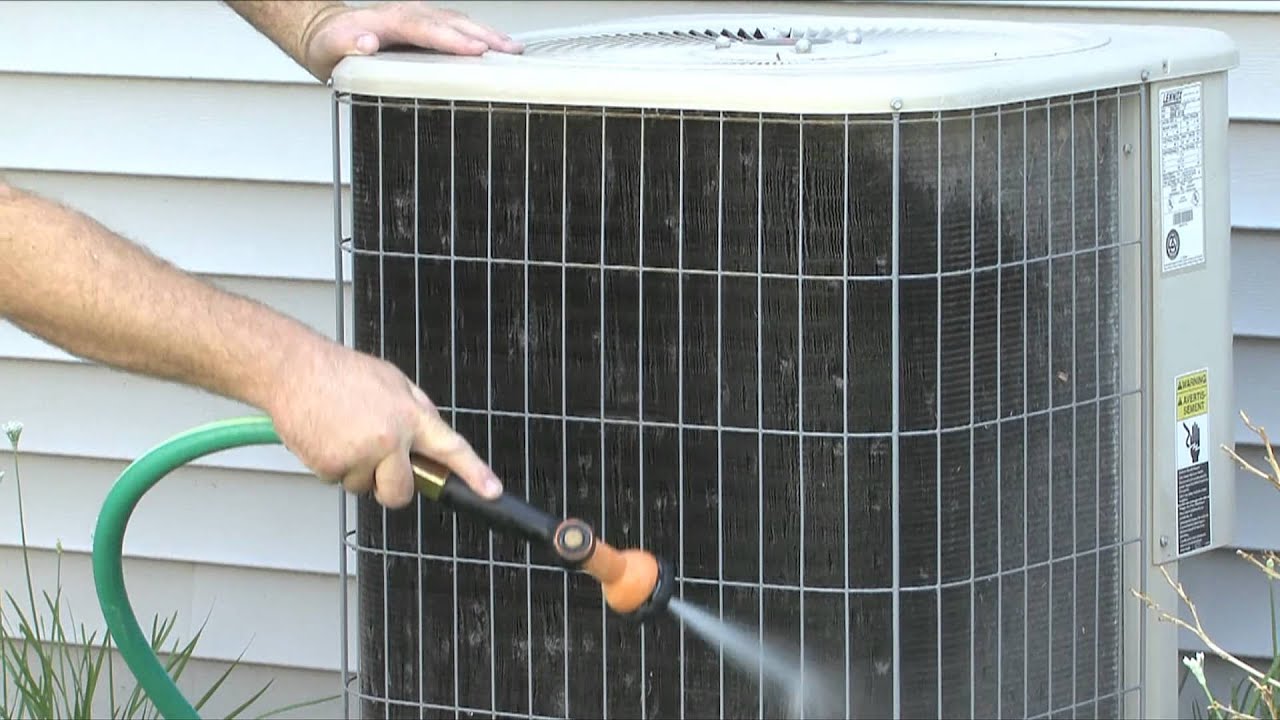
Over time, your condenser coils can accumulate dirt, dust, leaves, and other debris. This insulates the coils and prevents them from releasing heat effectively.
Think of it like a clogged radiator in your car – it can lead to overheating and reduced performance. A clean coil is a happy coil!
You can try cleaning the coils yourself with a garden hose and a fin comb (a special tool for straightening bent fins). Be gentle and avoid using high pressure, as you could damage the delicate fins.
Or, better yet, call a professional! They have the tools and expertise to clean the coils thoroughly and safely. Especially if you are not comfortable working with electricity.
Fan Troubles: When the Breeze Disappears
The fan on your outdoor unit is responsible for drawing air across the condenser coils to dissipate heat. If the fan isn't working properly, your AC will struggle to cool your house.
Check to make sure the fan blades are clean and free of obstructions. Also, listen for any unusual noises coming from the fan motor. If it sounds like it's struggling, it might be time for a replacement.
This is definitely a job best left to the professionals, as it involves working with electrical components. Safety first!
Refrigerant Leak: The Invisible Thief
Your AC uses refrigerant (also known as Freon) to cool the air. If there's a leak, your system won't be able to cool effectively. It's like trying to drive a car with a flat tire!
Unfortunately, refrigerant leaks are not always easy to detect. Some common signs include ice buildup on the refrigerant lines or a hissing sound coming from the outdoor unit.
If you suspect a refrigerant leak, call a professional immediately. They can locate and repair the leak, and recharge your system with the proper amount of refrigerant.
When to Call the Pros: Don't Be a Hero
Let's be honest, some AC problems are beyond the scope of a DIY enthusiast. If you've tried the simple fixes and your AC is still not cooling, it's time to call in the experts. It is a good investment in the long run.

Attempting to repair complex AC issues yourself can be dangerous and could potentially damage your system further. Plus, working with refrigerant requires special equipment and training.
A qualified HVAC technician can diagnose the problem accurately and recommend the best course of action. They can also perform routine maintenance to keep your AC running smoothly for years to come.
Some things are always best to leave to professionals. Dealing with gas or electrical systems are probably two of those.
Remember, a well-maintained AC is a happy AC. Regular filter changes, coil cleanings, and professional tune-ups can help prevent problems and keep your home cool and comfortable all summer long.
Stay Cool and Keep Smiling!
Troubleshooting your AC can be a bit of a challenge, but with a little knowledge and some elbow grease, you can often solve the problem yourself. Even if you can't, you will be better informed when you call in an expert.
And hey, even if you have to call a professional, at least you'll know you gave it your best shot! Now go forth and conquer that summer heat!
Remember, staying cool isn't just about temperature, it's about attitude too! So keep smiling, stay positive, and enjoy the summer – even if your AC is being a little temperamental. There are worse problems to have.