
Air Conditioner Not Working After Power Outage

Okay, picture this: You're basking in the glorious aftermath of a summer storm. The sky is blue, the birds are chirping, and... uh oh. The power's back on, but your trusty air conditioner is stubbornly refusing to join the party. Sounds familiar? Don't panic! We've all been there. Let's dive into this hot mess and see if we can cool things down, shall we?
The Great Breaker Hunt
First things first, let's check the basics, like embarking on a thrilling quest for the elusive tripped circuit breaker. Think of it as a mini-adventure in your own home! Head to your electrical panel – you know, that gray box lurking in the basement or garage, looking all important.
Now, scan the rows of breakers. Look for one that's flipped to the "off" position, or maybe stuck somewhere in between. That's our culprit! Give it a firm push to the "off" position, then flip it back to "on."
Must Read
Did the air conditioner roar back to life? Hallelujah! You're a hero! If not, don't despair. We've got more tricks up our sleeves.
The "Off" Switch Tango
Sometimes, in the chaos of a power outage, our well-meaning selves (or mischievous gremlins, who knows?) accidentally switch off the air conditioner directly. It’s a classic case of human (or gremlin) error!
So, locate the main power switch for your air conditioner – usually a big, red lever near the outdoor unit. Make sure it's firmly in the "on" position. Simple, right?
If that was the problem, you're officially a troubleshooting ninja! But if your air conditioner remains stubbornly silent, let's move on to the next level.
The Condenser Conundrum
Your outdoor air conditioner unit, also known as the condenser, is a vital part of the whole cooling operation. It's basically the heart of your cooling system, pumping out cool air into your house. After a power surge, it might need a little TLC.
Give it a visual once-over. Are there any obvious signs of damage? Wires dangling? Debris blocking the fan? If you spot something alarming, resist the urge to play electrician and call a professional instead. Safety first, folks!
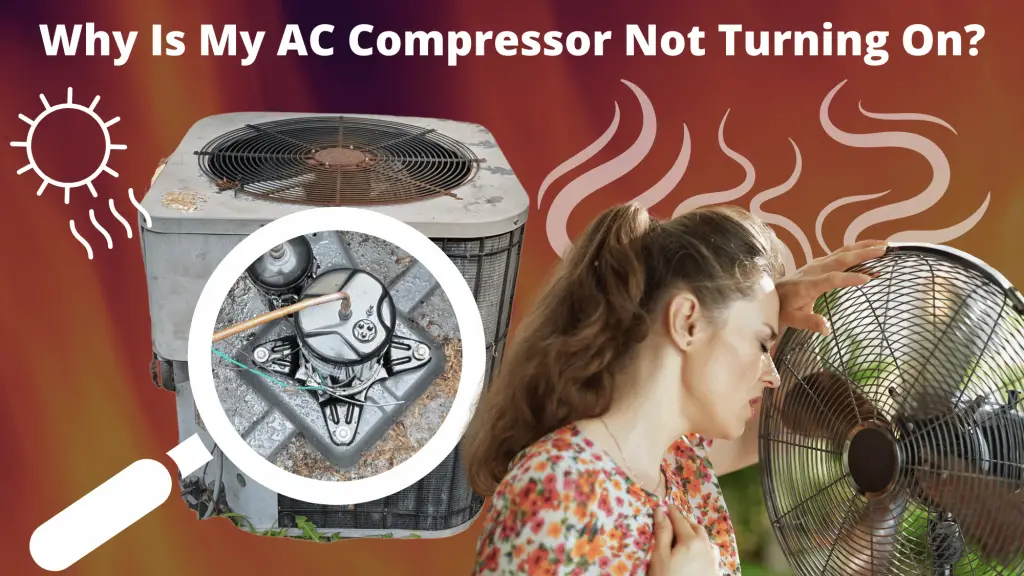
If everything looks shipshape, try giving the unit a good cleaning. Use a garden hose (gently!) to wash away any dirt, leaves, or other gunk that might be clogging it up. Think of it as a spa day for your air conditioner!
The Delay Dilemma
Here's a sneaky one: some air conditioners have a built-in delay function. It is designed to protect the compressor from damage after a power outage. It's like the air conditioner is saying, "Hold on a minute, let me catch my breath!"
So, if you've tried everything else and the air conditioner still isn't kicking in, give it some time. It might take 5-10 minutes (or even longer, depending on the model) for the delay to expire.
While you wait, resist the urge to repeatedly turn the air conditioner on and off. Patience, young Padawan! Let the machine do its thing.
The Thermostat Tango, Again!
I know, I know, we already talked about this! But sometimes, the thermostat can be a real trickster. It could be that the power outage has somehow messed with its settings.
Double-check that it's set to "cool" mode and that the temperature is set low enough to actually trigger the air conditioner. I know it's obvious, but sometimes we overlook the simplest things.
Also, make sure the thermostat is getting power. If it's battery-operated, try replacing the batteries. You'd be surprised how often that's the solution!

The Capacitor Caper
Now we're getting into slightly more technical territory, so listen up! The capacitor is a small, cylindrical component that helps start the air conditioner's motor. It's like the engine starter for your cooling system.
If the capacitor is weak or damaged, the air conditioner might not be able to start. Unfortunately, testing and replacing capacitors can be tricky and dangerous, so this is best left to the pros. A faulty capacitor can give you a nasty shock, and nobody wants that!
So, if you suspect a capacitor problem, call a qualified HVAC technician. Your safety is worth it!
The Refrigerant Riddle
Refrigerant is the stuff that actually cools the air in your air conditioner. If your air conditioner is low on refrigerant, it won't be able to cool properly, or it might not even turn on at all. Low refrigerant usually indicates a leak.
Unfortunately, checking and recharging refrigerant is another job for the professionals. It requires specialized equipment and knowledge. Plus, handling refrigerant incorrectly can be harmful to the environment.
So, if you suspect a refrigerant leak, call a qualified HVAC technician to diagnose and repair the problem.
The Dirty Filter Disaster
A dirty air filter can restrict airflow, making your air conditioner work harder and potentially causing it to overheat and shut down. It's like trying to run a marathon while breathing through a straw!
Check your air filter and, if it's clogged with dust and debris, replace it with a clean one. This is a simple and inexpensive maintenance task that can make a big difference in your air conditioner's performance.
Aim to change your air filter every one to three months, depending on how often you use your air conditioner and how dusty your environment is.
The Fan Fiasco
Sometimes, the fan motor in your outdoor unit can seize up, preventing the fan from spinning. This can cause the air conditioner to overheat and shut down. It's like the air conditioner having a bad hair day – only much more serious.
Check the fan blades to see if they're obstructed by anything. If they're clear, try giving them a gentle nudge with a stick (carefully!) to see if they'll start spinning. But if the motor is clearly dead, it's time to call in the professionals.
Replacing a fan motor can be tricky, so it's best left to a qualified HVAC technician.
When to Call in the Cavalry (a.k.a. the HVAC Tech)
Alright, you've bravely battled breakers, wrangled switches, and even contemplated capacitor conspiracies. But if your air conditioner is still stubbornly refusing to cooperate, it's time to call in the cavalry.
A qualified HVAC technician has the knowledge, skills, and equipment to diagnose and repair more complex problems. They can also ensure that your air conditioner is running safely and efficiently.
![Air Conditioner not working after Power Outage [Solved].](https://www.hvacsenior.com/wp-content/uploads/2023/11/Air-Conditioner-not-working-after-Power-Outage.png)
Don't be afraid to call for help! It's better to be safe than sorry, especially when it comes to electrical and mechanical systems.
Preventive Measures: A Stitch in Time Saves Nine
Okay, so you've finally gotten your air conditioner back up and running. Hooray! But let's talk about how to prevent this from happening again in the future. A little preventive maintenance can go a long way in keeping your cooling system healthy and happy.
Schedule regular maintenance checkups with a qualified HVAC technician. They can inspect your system, clean the coils, check the refrigerant levels, and identify any potential problems before they become major headaches.
Also, consider investing in a surge protector to protect your air conditioner from power surges. It's like having a bodyguard for your cooling system!
Embrace the Breeze (or a Good Book)
So, there you have it! A comprehensive guide to troubleshooting your air conditioner after a power outage. Remember, stay calm, follow the steps, and don't be afraid to call for help when you need it.
And if all else fails, embrace the breeze (if there is one!), grab a good book, and dream of cooler days ahead. Or, you know, head to the nearest air-conditioned movie theater!
Stay cool, my friends!