
Air Conditioner Not Cooling To Set Temperature
Okay, let's talk about something we all rely on, especially when summer decides to turn up the heat: our air conditioners. Imagine this: you've set your AC to a blissful 72 degrees, picturing yourself lounging on the sofa, sipping iced tea in perfect comfort. But reality hits you like a wall of… well, not-so-cool air. Your AC is running, sounds like it's working, but the temperature stubbornly refuses to budge. What gives?
It's frustrating, right? It's like ordering a pizza and getting a lukewarm breadstick instead. You were promised one thing, and you’re getting something… lesser. But don't sweat it (pun intended!). We’re going to break down why your AC might be playing hard to get and what you can do about it.
Dirty Filters: The Sneaky Saboteurs
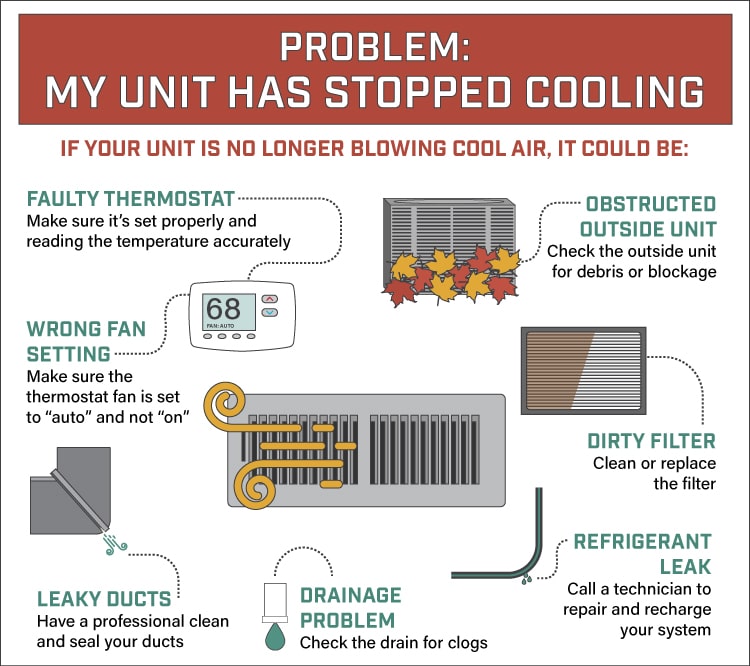
Think of your AC filter like a tiny gatekeeper. It's supposed to trap dust, pollen, and all sorts of airborne nasties. But over time, that gatekeeper gets overwhelmed. It’s like trying to push a shopping cart full of bricks through a revolving door. Eventually, airflow gets blocked, and your AC has to work much harder to circulate air.
Must Read
A clogged filter restricts airflow, which means less cool air gets into your home. It’s also makes your system work longer to reach your set temperature. This leads to higher energy bills, a less comfortable home, and potentially, a burned-out AC unit in the long run. Imagine running a marathon while wearing flippers – that's what a dirty filter does to your AC. Check your filters monthly and replace them when they're visibly dirty. It’s a small chore with a huge payoff.
Refrigerant Leaks: The Coolant Crisis
Refrigerant is the lifeblood of your AC. It's the stuff that actually cools the air. If you have a leak, it's like slowly draining the gas tank in your car. Eventually, you're going nowhere. A leak might be hard to detect because it is sealed and not intended to be used up. If your AC is blowing warm air, take action.
A technician can find and fix the leak and recharge the refrigerant to the correct level. Think of it like a doctor giving your AC a blood transfusion. Without enough refrigerant, your AC simply can’t cool effectively. A refrigerant leak is a problem that should be addressed right away before major damage to your AC system.
Condenser Coil Chaos: The Outside Story
The condenser coil is located in the outdoor unit of your AC. Its job is to release the heat that has been absorbed from inside your house. If this coil is covered in dirt, leaves, or other debris, it can't do its job properly. It's like trying to run a marathon while wearing a heavy winter coat.

A dirty condenser coil makes your AC work harder, lowering its efficiency. Clear away any obstructions around the outdoor unit and occasionally hose down the coils (after turning off the power, of course!). Think of it as giving your AC a spa day.
Ductwork Dilemmas: Leaks and Losses
Your ductwork is the network of pathways that distributes cool air throughout your home. If these ducts have leaks, it's like trying to fill a swimming pool with a garden hose that has holes in it. You're losing cool air before it even reaches your destination!
Inspect your ducts for any visible leaks or damage. If you suspect there are leaks hidden behind walls, consider hiring a professional to seal them. Think of it as weatherproofing your home's cooling system. Sealing ductwork can improve efficiency by up to 20 percent!

The Size Matters: Is Your AC the Right Fit?
Sometimes, the problem isn't with your AC's performance, but with its size. An AC that's too small simply won't be able to cool your home adequately, especially on those scorching summer days. It's like trying to mow a football field with a push mower.
An AC that's too large will cycle on and off too frequently, which can lead to uneven cooling and higher energy bills. It's like driving a race car in city traffic. Ideally, have a professional assess your home's cooling needs to ensure you have the right-sized AC unit. It is essential for maintaining both home comfort and AC equipment health.

Professional Help: When to Call in the Experts
If you've tried the above tips and your AC is still struggling, it's time to call in the professionals. They have the tools and expertise to diagnose and fix more complex issues, such as compressor problems, electrical issues, or major refrigerant leaks. Think of it as taking your car to a mechanic when the "check engine" light comes on.
Regular AC maintenance can also help prevent problems before they start. Scheduling an annual tune-up can keep your AC running smoothly and efficiently for years to come. After all, a little preventative care can save you a lot of headaches (and money) down the road.
So, there you have it! Your AC not cooling to set temperature is a common problem, but with a little detective work and some simple maintenance, you can often get your system back on track. Stay cool!