Aerospace Engineer Problems These Engineers Solve
Ever looked up at a plane soaring effortlessly through the sky and wondered, "How does that thing even stay up?" Or perhaps you've been captivated by images of the James Webb Space Telescope peering into the deepest corners of the universe. If so, you've already brushed shoulders with the magic of aerospace engineering! While it might sound like rocket science (and sometimes, it is!), understanding the kinds of problems these brilliant minds tackle can be surprisingly engaging and even inspiring for artists, hobbyists, and casual learners alike.
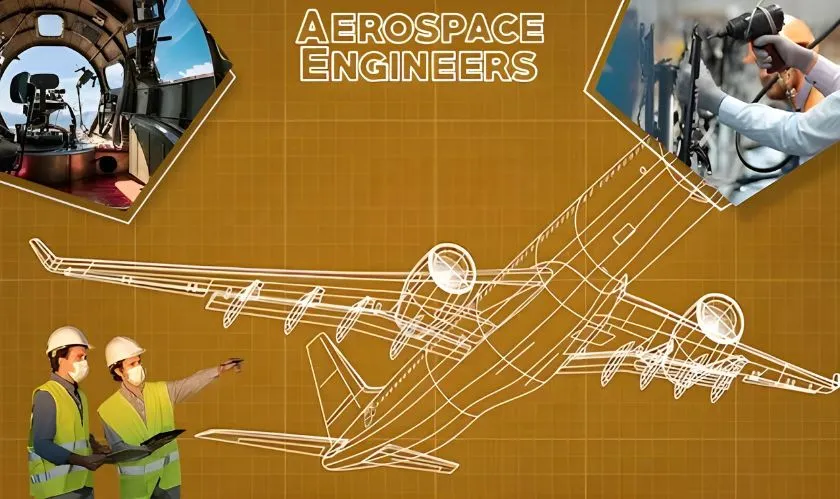
Think about it: aerospace engineers are essentially problem-solving virtuosos. They're tasked with designing, building, and testing everything from aircraft and spacecraft to satellites and missiles. The challenges they face are incredibly diverse and require a blend of scientific knowledge, mathematical prowess, and a healthy dose of creative thinking. For artists, this can be a goldmine of inspiration. Understanding the aerodynamics of flight, for instance, can inform the design of sculptures, kites, or even fashion. Hobbyists tinkering with drones or model rockets will find a deeper appreciation for the underlying principles that govern their creations. And for anyone simply curious about the world, learning about the ingenuity behind space exploration is endlessly fascinating.
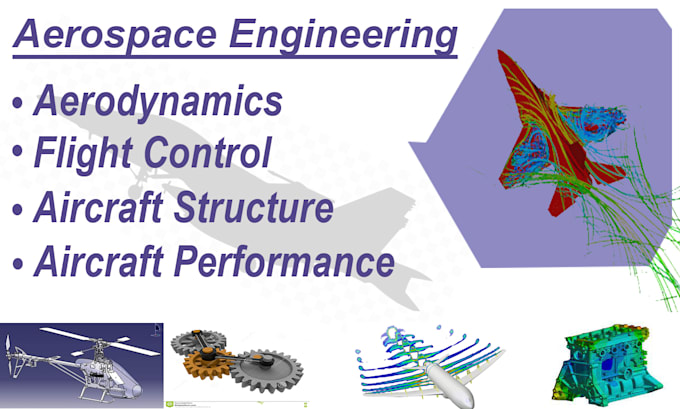
So, what kind of problems do these engineers solve? Let's look at a few examples. They grapple with aerodynamics, figuring out how to minimize drag and maximize lift for efficient flight. Imagine them as artists sculpting with air! They work on propulsion systems, designing engines that can propel aircraft and spacecraft to incredible speeds and distances. Think of them as composers, orchestrating the perfect harmony of fuel, air, and ignition! They also deal with structural integrity, ensuring that vehicles can withstand the immense forces of flight and space travel. They're like master builders, constructing incredibly strong and lightweight frameworks. And of course, there's navigation and control, developing systems that allow pilots and spacecraft operators to precisely guide their vehicles. They're like expert navigators, charting courses through the vastness of space!
Must Read
You don't need a PhD in astrophysics to appreciate these challenges. Want to try your hand at some simplified versions at home? Build a paper airplane and experiment with different wing shapes to see how they affect flight. That's aerodynamics in action! Launch a water bottle rocket and observe the principles of propulsion. Explore online simulators that demonstrate the effects of gravity and atmospheric drag on spacecraft trajectories. There are even apps that let you design and test your own aircraft on your phone. The possibilities are endless!
The best part about learning about aerospace engineering problems is that it's inherently motivating. It’s a field driven by curiosity, pushing the boundaries of what's possible, and constantly seeking innovative solutions. It’s about dreaming big, tackling seemingly insurmountable challenges, and ultimately, reaching for the stars. Whether you're an artist seeking inspiration, a hobbyist eager to learn, or simply someone who enjoys a good intellectual challenge, exploring the world of aerospace engineering is a rewarding and enjoyable endeavor.