
Advantages Of Wave Energy And Disadvantages
So, picture this: I'm sipping my latte, gazing out at the ocean (because that's what cool people do, right?), and suddenly it hits me – the ocean is basically just flexing its muscles constantly! All that wave action… it's like the world's biggest, bluest gym rat showing off. And the best part? We could be stealing its energy… uh, I mean, harnessing it for the greater good!
Let's dive into the wacky world of wave energy! It's got pros and cons, just like that questionable dating app you downloaded last night. But trust me, the pros are way more appealing than that profile picture with the blurry cat.
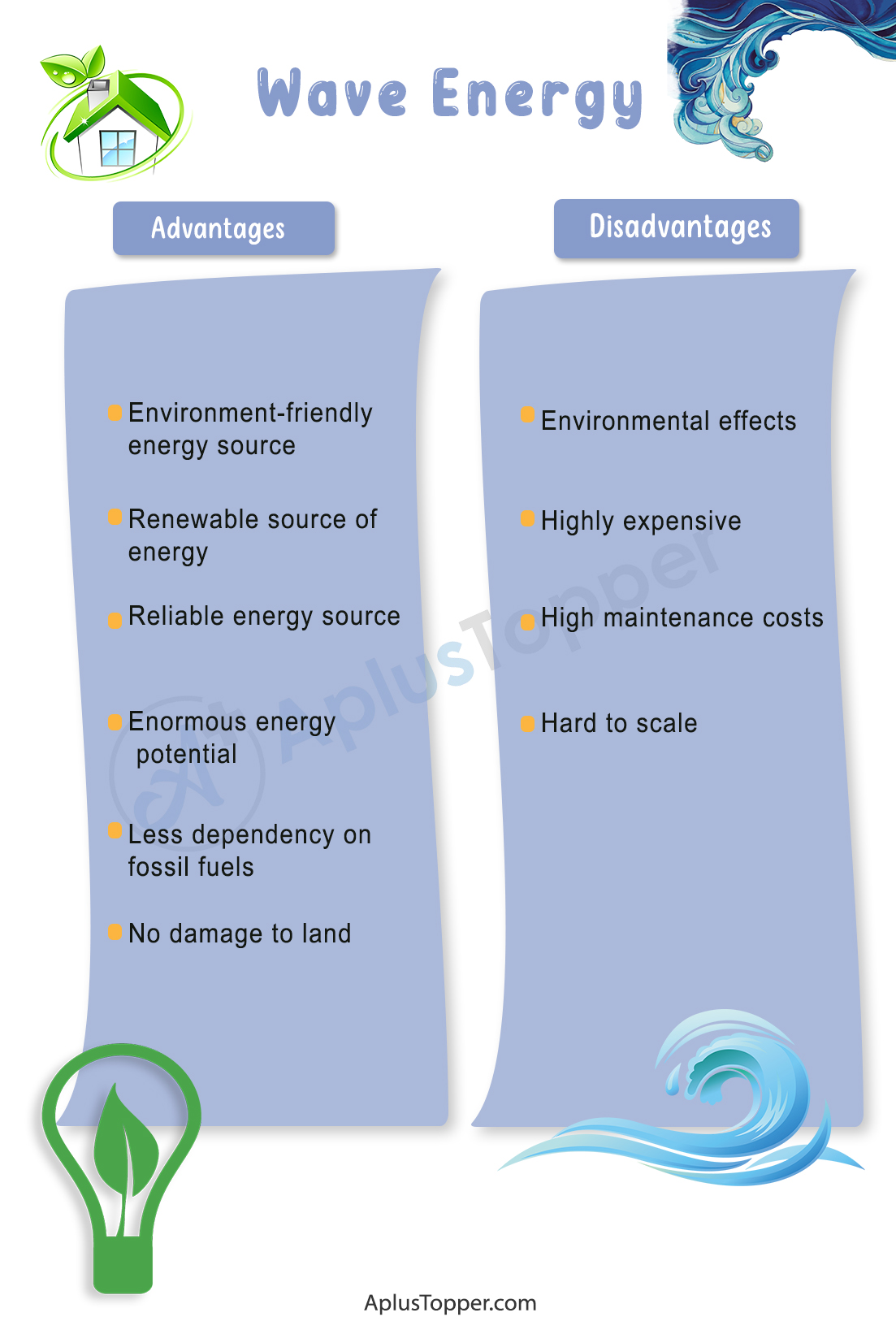
Wave Energy: The Good Stuff (aka Advantages)
Predictability, baby! Unlike solar power, which throws a tantrum every time a cloud shows up, or wind power, which is basically a moody teenager, waves are relatively predictable. We can usually forecast wave patterns a day or two in advance, which means less stress for our power grid. Imagine trying to plan a dinner party and not knowing if the oven will work until five minutes beforehand. Wave energy is like the reliable friend who always shows up with the good wine.
Must Read
Tons and Tons of Energy. Seriously, the ocean is practically overflowing with it. It's like that one friend who always has a spare charger, a granola bar, and an emergency sewing kit. The potential is massive. We're talking about powering entire cities with the ocean's relentless push and pull. Okay, maybe not entire cities right now, but definitely a sizeable chunk of them! Think of the possibilities!
Clean, Green, and Mostly Unseen. Okay, "mostly" is doing some heavy lifting here. Wave energy is a renewable resource, meaning we’re not burning fossil fuels and turning the planet into a giant pizza oven. Plus, some wave energy devices can be placed underwater, making them less of an eyesore than, say, a field full of windmills. Less visual pollution? Yes, please! My eyeballs thank you, ocean.

Creating Coastal Jobs. Building, maintaining, and researching wave energy tech creates jobs! Think of the brave souls who get to wrestle with the ocean on a daily basis! Actually, probably more computer simulations than wrestling, but let's stick with the image of heroic ocean wranglers, okay?
Reduced Reliance on Foreign Oil (Dramatic Music Plays). This one’s a biggie. If we can generate more of our own energy, we're less dependent on other countries. It's like finally learning to cook for yourself instead of ordering takeout every night. Your wallet (and national security) will thank you!
Wave Energy: The Not-So-Good Stuff (aka Disadvantages)
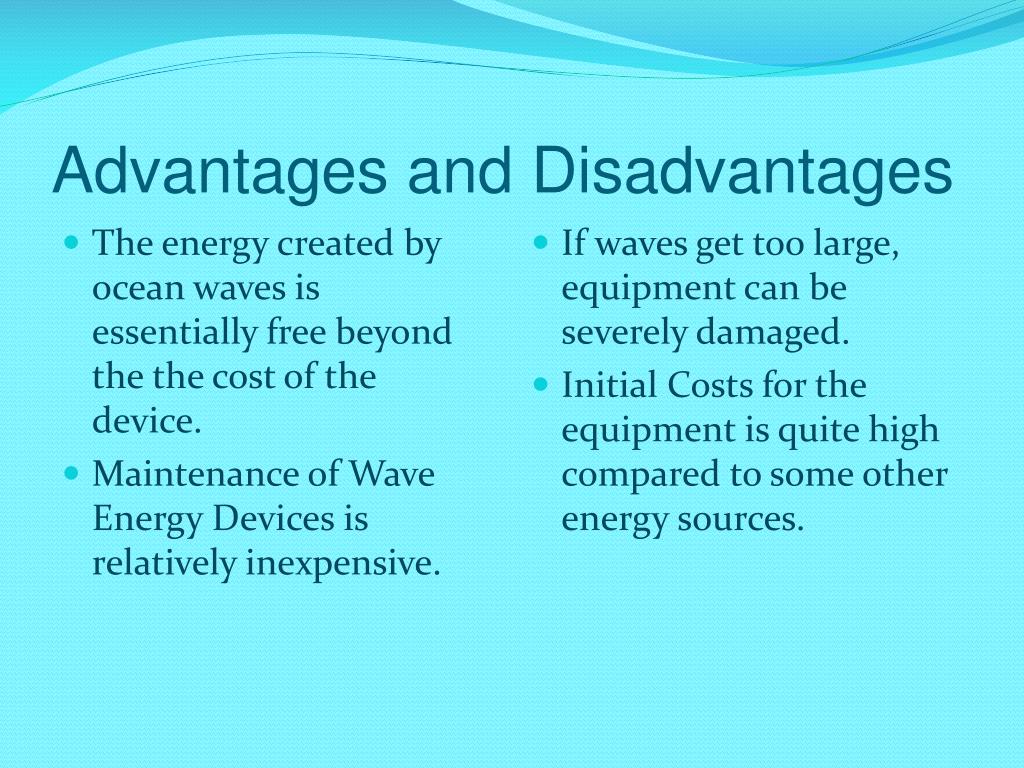
Cost, Cost, and More Cost! Building wave energy devices is expensive. Like, yacht-expensive. And then you have to factor in the cost of maintenance, which, let's be honest, will probably involve a lot of rust removal and replacing parts that have been chewed on by salty sea creatures. Turns out, barnacles aren't just cute little hitchhikers; they're tiny demolition experts.
Surviving the Ocean's Wrath. The ocean is a powerful beast! Wave energy devices have to be incredibly robust to withstand storms, rogue waves, and the general corrosive nature of saltwater. It’s like building a house out of Lego and then inviting Godzilla over for tea. Good luck with that.
Environmental Impact. While generally cleaner than fossil fuels, wave energy devices can still have an impact on marine life. They can create noise pollution that disrupts marine animals, and they can potentially interfere with migration patterns. Think of it as accidentally setting up a rave in a whale's living room. Not cool.

Efficiency Issues. Right now, wave energy technology isn't as efficient as other renewable energy sources. We're still working on squeezing every last drop of power out of those waves. It's like trying to get the last bit of toothpaste out of the tube – frustrating, but worth the effort!
Location, Location, Location. You can't just plop a wave energy device anywhere. You need a location with strong, consistent wave activity. Which means most of us are out of luck. Unless you live on the coast, you're probably not going to be powering your toaster with waves anytime soon. Sorry to burst your bubble.
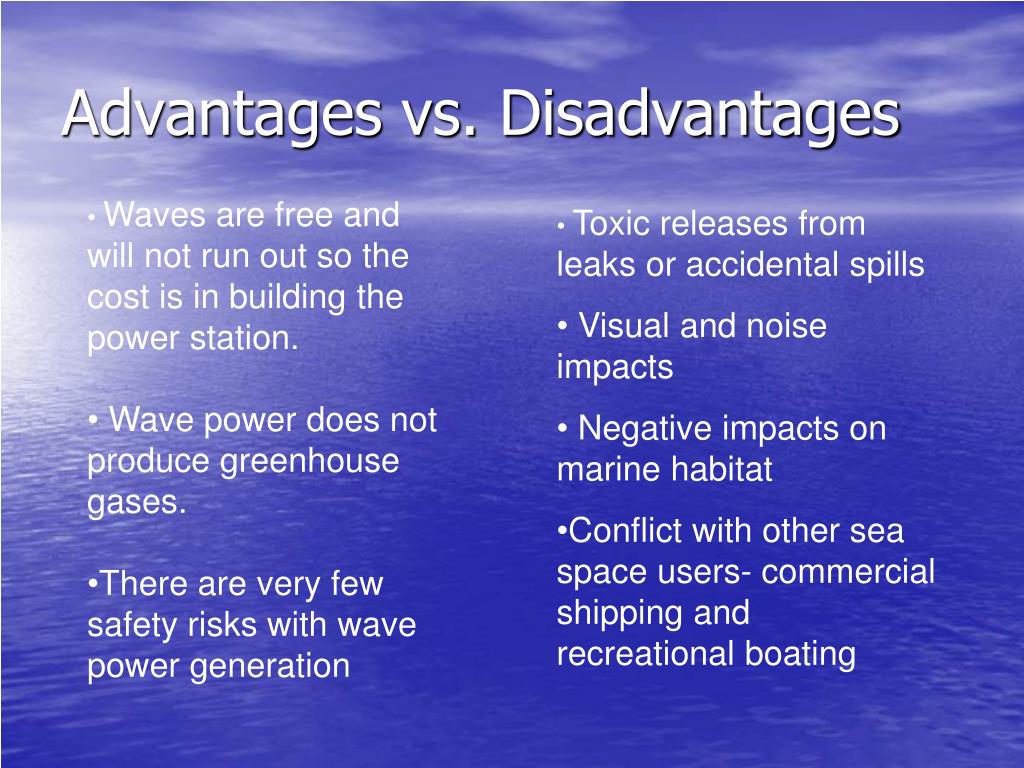
Navigation Hazard. Wave energy farms present a potential navigation hazard to ships and other vessels. Imagine sailing along and suddenly encountering a giant, floating wave energy device! "Honey, did you see that? I thought they said 'land ahoy!' not 'wave energy device ahoy!' "
The Verdict?
Wave energy is still a relatively young technology, but it has the potential to be a major player in the future of renewable energy. It’s like that awkward kid in high school who ends up becoming a successful entrepreneur. It might be a bit rough around the edges now, but with a little time and investment, it could really make a splash. (Pun intended, of course.)
So, next time you're at the beach, take a moment to appreciate the power of the waves. They might just be powering your city someday. And remember, even the ocean has its flaws, but it's still pretty darn awesome.