Advantages Of Using Natural Gas As An Energy Source

Ever wonder how your home stays cozy in the winter, or how that delicious pizza gets perfectly baked? Chances are, natural gas plays a big role! It's not just some invisible fuel; it's a powerful energy source that quietly impacts our lives every single day. Understanding a bit about natural gas – what it is and why it's so widely used – is like unlocking a hidden piece of the puzzle of modern living. So, let's dive in and explore the fascinating world of this often-overlooked energy source.
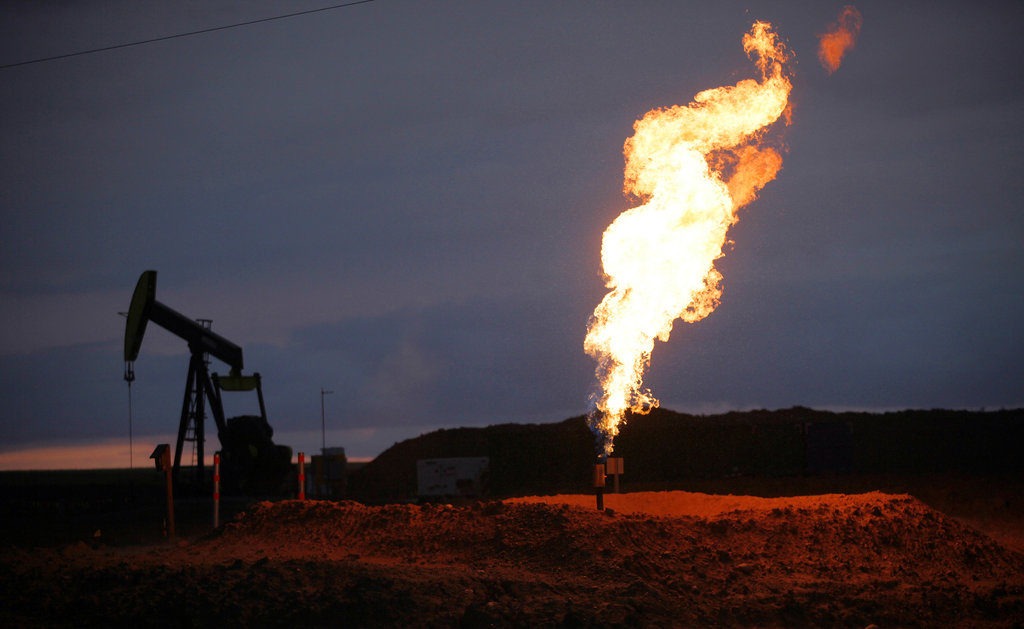
At its heart, natural gas is a naturally occurring hydrocarbon gas mixture composed primarily of methane. It's extracted from deep underground reservoirs, much like oil, but instead of being a liquid, it's a gas! Its primary purpose is to provide a clean, efficient, and reliable energy source for a multitude of applications. One of the biggest benefits is its cleaner burning nature compared to other fossil fuels like coal or oil. When natural gas is burned, it produces less air pollution and greenhouse gas emissions, making it a more environmentally friendly choice.
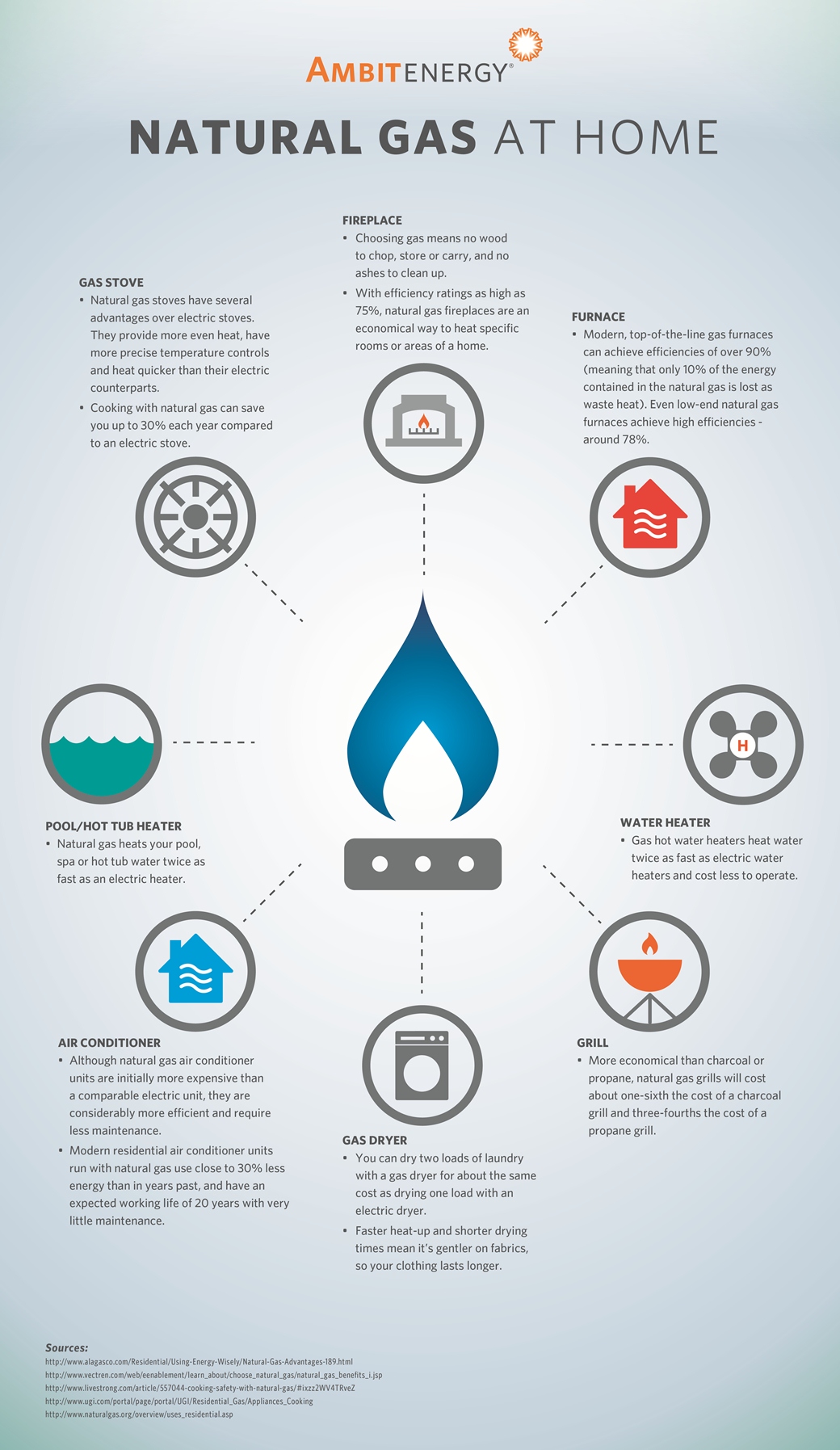
The benefits of natural gas extend far beyond just cleaner air. It's incredibly versatile. Think about your home: natural gas is commonly used for heating, powering furnaces and boilers that keep us warm during chilly weather. It's also used for cooking, providing that instant and controllable heat that chefs (and home cooks!) love. And don't forget about water heating; a natural gas water heater can provide a steady stream of hot water for showers, laundry, and dishwashing. Even in some areas, natural gas is used to generate electricity, powering homes and businesses across entire regions.
Must Read
In education, natural gas is often used as a prime example when teaching about energy resources, environmental science, and even basic chemistry. Students might learn about its chemical composition (methane, CH4), the process of combustion (burning), and the impact of different energy sources on the environment. Many schools also use natural gas to heat their buildings and power their cafeterias, offering a real-world example of its practical applications.
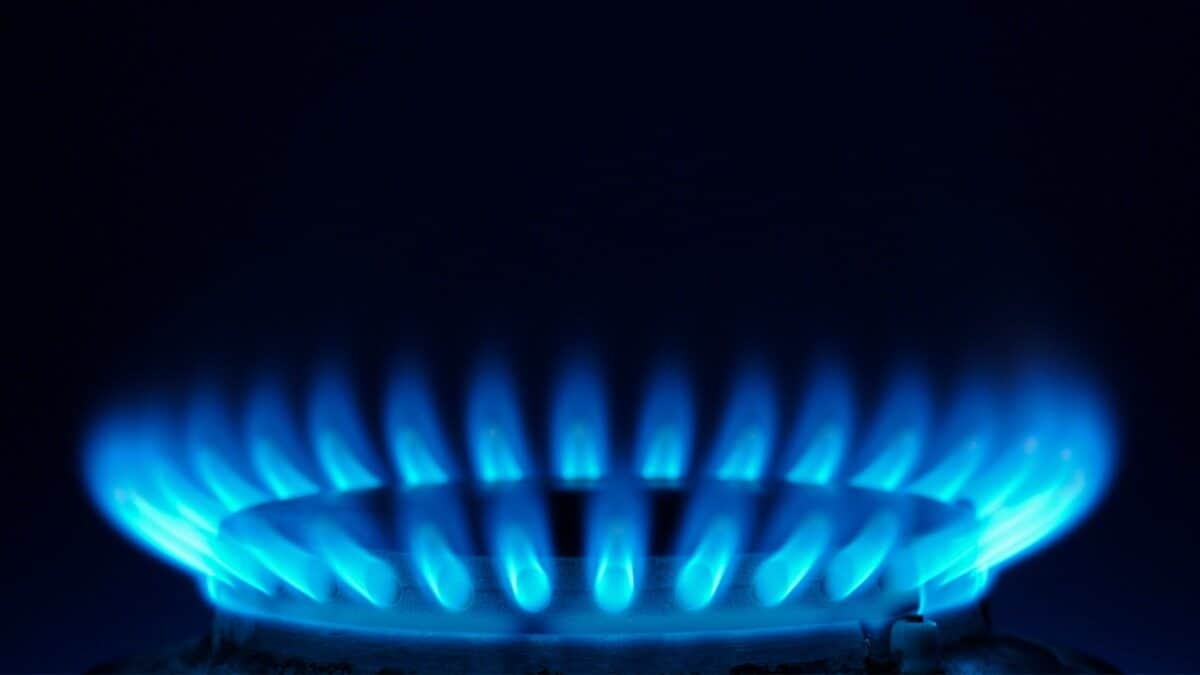
In daily life, besides the obvious uses like heating and cooking, natural gas also fuels many industries. It's a key ingredient in the production of plastics, fertilizers, and other essential products. It even powers some vehicles, offering a cleaner alternative to gasoline or diesel. You might not realize it, but natural gas is involved in so many aspects of our modern world!
Want to explore the world of natural gas further? Here are a few simple tips. First, take a look at your home and identify which appliances use natural gas (if any). Research the energy efficiency ratings of these appliances; you might be surprised at how much energy (and money!) you can save by switching to more efficient models. Second, check out your local energy provider's website for information on natural gas safety and energy conservation tips. Many offer rebates and incentives for energy-efficient upgrades. Finally, consider visiting a science museum or energy exhibit to learn more about the science behind natural gas and its role in our energy future. You might just discover a newfound appreciation for this powerful and versatile energy source!