
Advantages Of Nuclear Energy And Disadvantages
Okay, so picture this: I'm scrolling through Twitter (yes, I know, I should touch grass) and I see this meme about how windmills are going to cause the apocalypse because… reasons? It got me thinking, though. We’re all hyped about renewable energy (and rightfully so!), but are we really considering all our options? And that's when nuclear energy sauntered into my brain, all fission-y and powerful.
Nuclear power. It’s like the Marmite of energy sources: you either love it or you hate it. But let's be real, ignoring it completely is just… well, ignorant. So, let's dive headfirst into the swirling vortex of advantages and disadvantages, shall we?
The Shiny Side: Advantages of Nuclear Energy
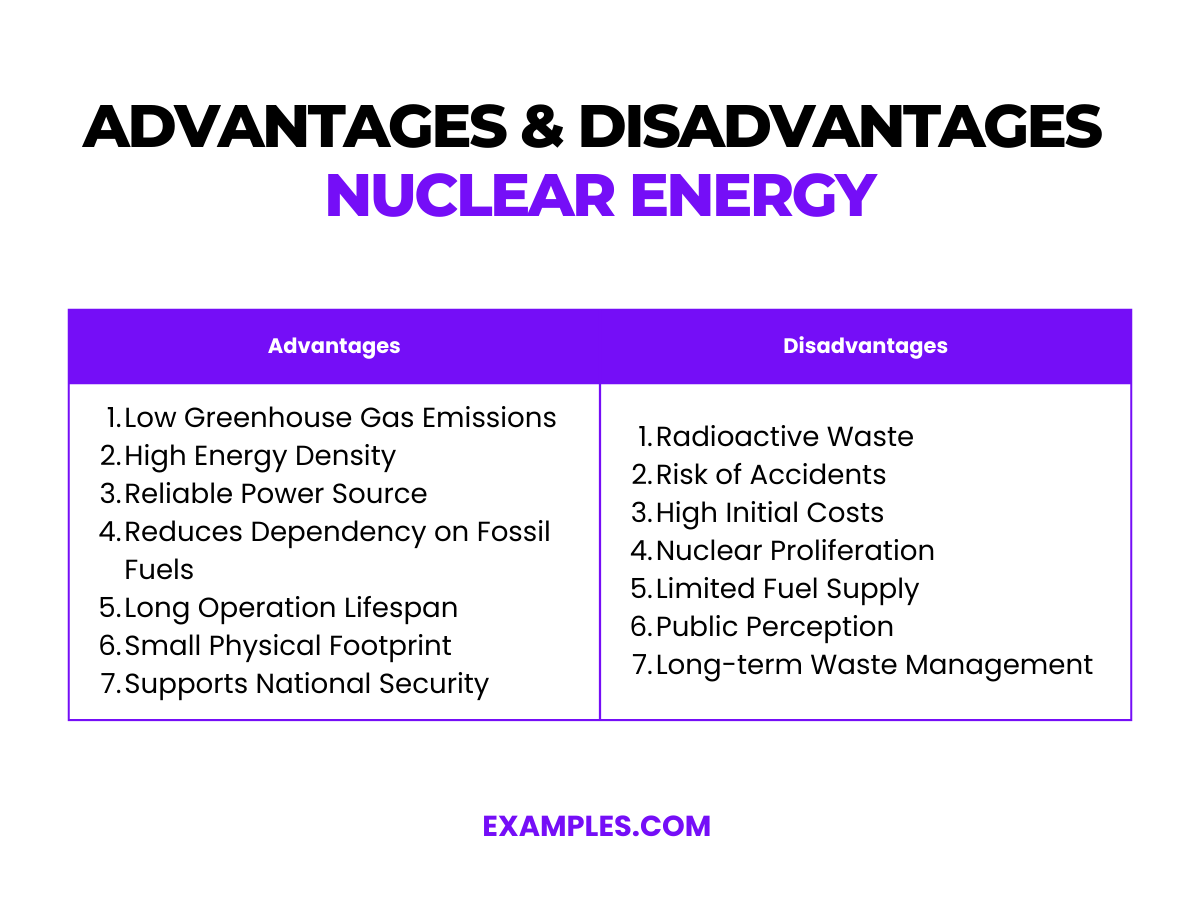
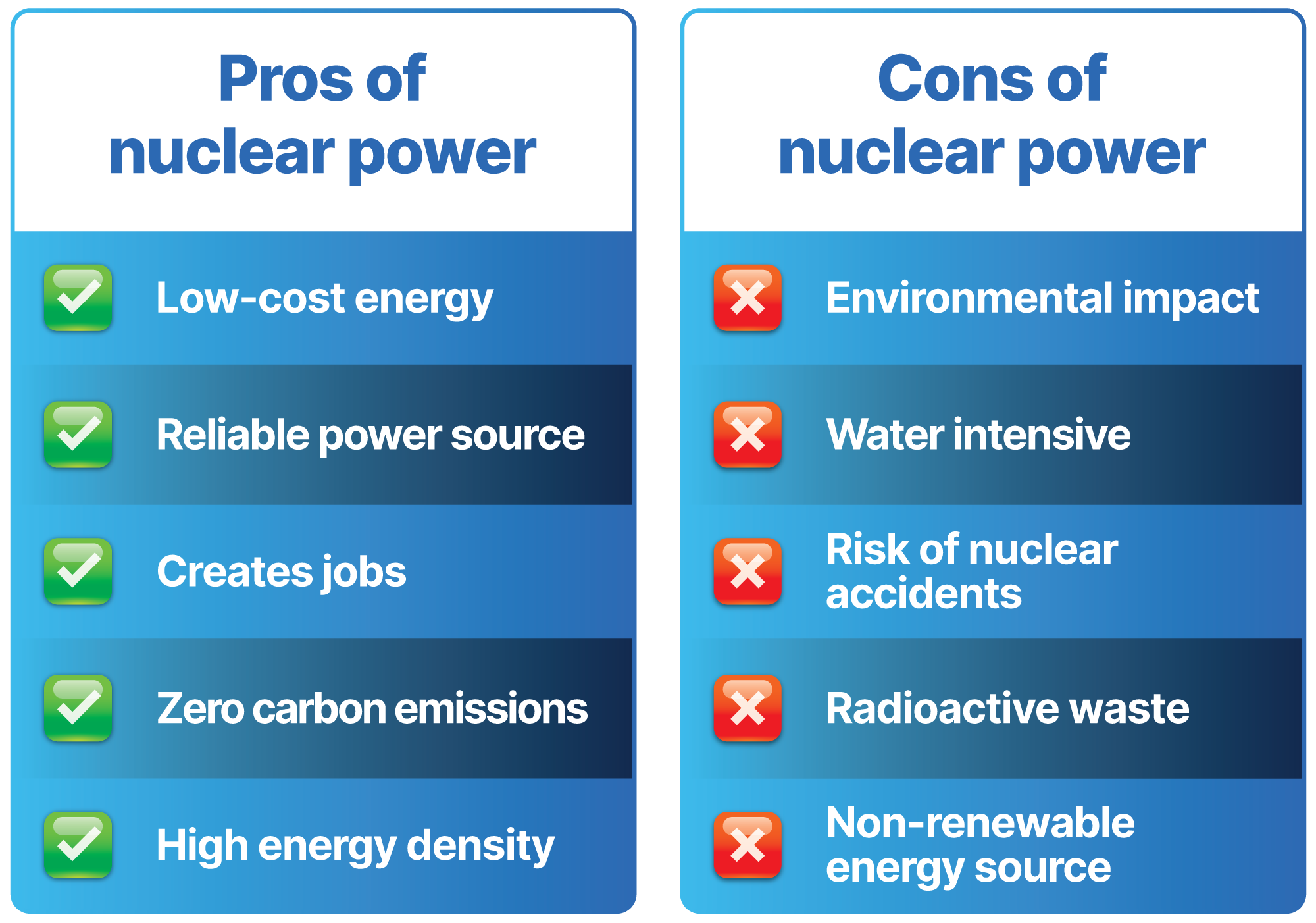
High Power Output: Let’s start with the obvious. Nuclear power plants are energy beasts. They can generate a lot of electricity from a relatively small amount of fuel. Think of it as the difference between sipping an espresso and chugging a gallon of coffee. One gets the job done, the other... well, gets the job done faster (and maybe gives you the jitters).
Must Read
Reliability: Unlike solar or wind, nuclear power doesn't depend on the weather. The sun doesn't need to shine, and the wind doesn't need to blow. Nuclear plants can operate 24/7, providing a consistent and reliable source of electricity. Think of it as the steadfast friend who always shows up, even when it’s raining.
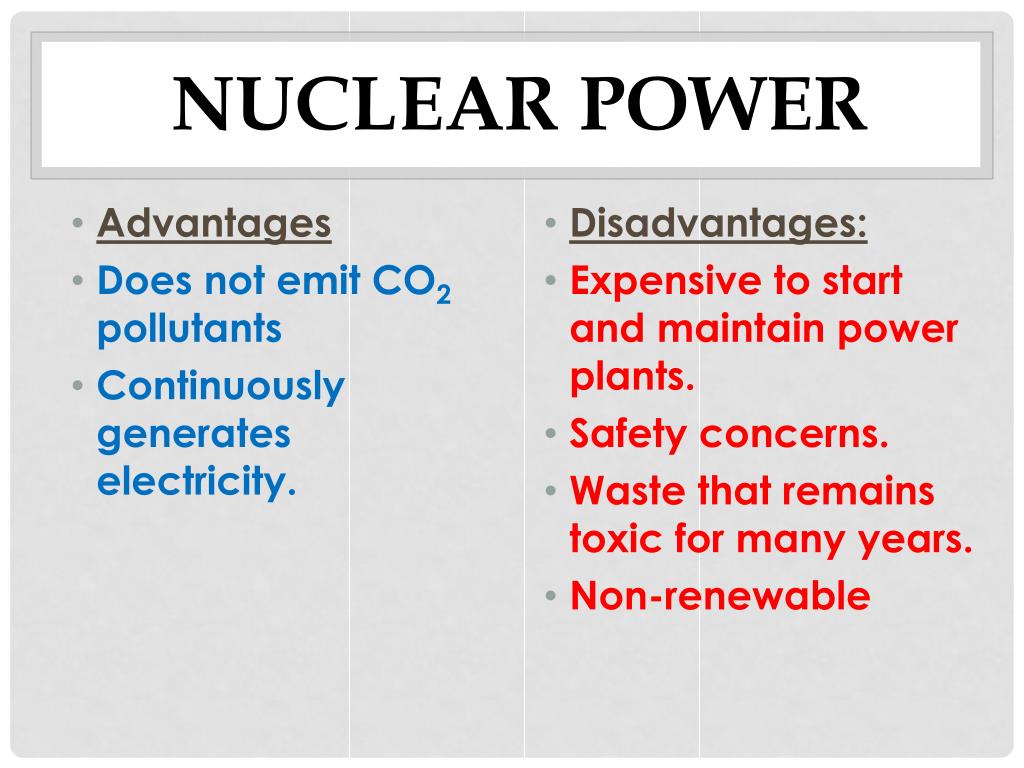
Low Greenhouse Gas Emissions (While Operating): This is a big one. While the initial construction and uranium mining do have a carbon footprint, nuclear power plants themselves release very little greenhouse gas into the atmosphere during operation. Score! This makes it a potentially valuable tool in combating climate change. I said "potentially" because there's that pesky waste issue to consider later. Don't worry, we'll get there.
Energy Independence: Countries with nuclear power plants can reduce their reliance on foreign energy sources. This can lead to greater energy security and stability. Basically, they become less dependent on the whims of global markets (and potentially, less susceptible to geopolitical pressures). Important in today's world, right?
It's surprisingly efficient in terms of land use. Compared to the massive land areas needed for solar farms or wind farms to generate equivalent power, nuclear plants are compact and effective.
The Murky Side: Disadvantages of Nuclear Energy
Nuclear Waste: Ah, yes, the elephant in the reactor room. This is the biggie, the one that always gets brought up, and rightfully so. Nuclear waste remains radioactive for thousands of years. Finding safe and permanent storage solutions is a massive challenge. Nobody wants to be the backyard for plutonium, let's be honest. Not in my backyard!
Risk of Accidents: Chernobyl, Fukushima, Three Mile Island... these names are synonymous with nuclear disaster. While these events are relatively rare, the potential consequences are catastrophic. The fear is real, folks. And it's valid. But safety regulations are constantly improving (hopefully!), so we should be learning from past mistakes.
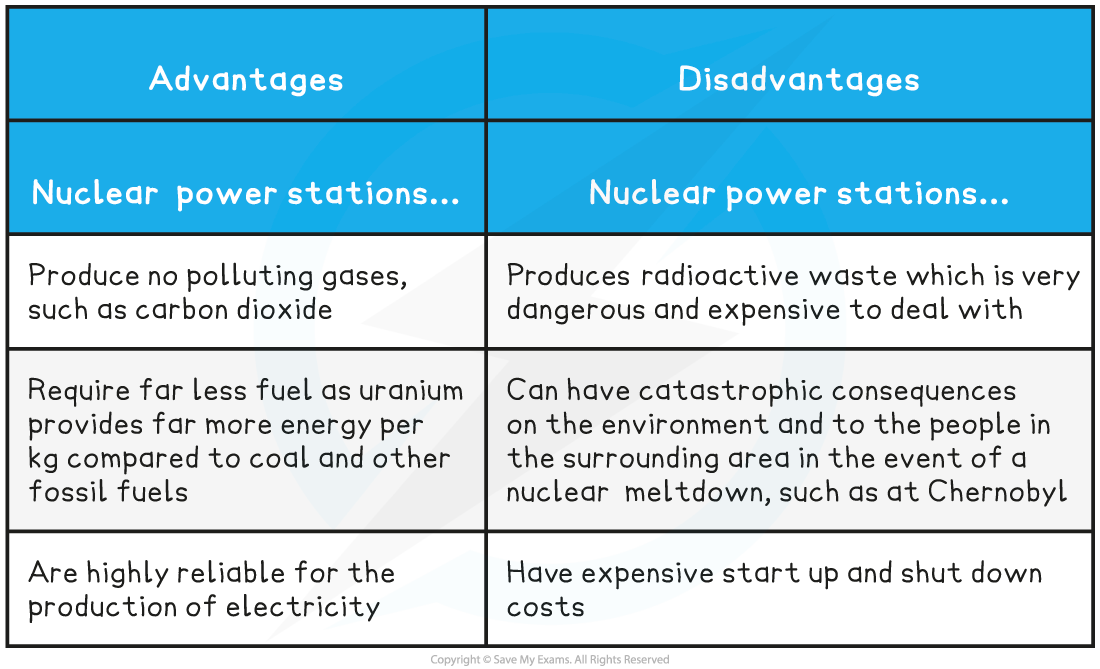
High Initial Costs: Building a nuclear power plant is expensive. We’re talking billions of dollars. This can make it difficult for countries (or companies) to invest in nuclear energy, even if they see the long-term benefits. Basically, you gotta be rich to be sustainable, which is slightly ironic.
Nuclear Proliferation: The technology used in nuclear power plants can also be used to create nuclear weapons. This raises serious security concerns, as it increases the risk of nuclear proliferation. Scary thought, I know.

Uranium Mining: While operation doesn’t produce many emissions, uranium mining has its own environmental impact. Mining can lead to habitat destruction, water contamination, and release of radioactive materials. It can also expose miners to harmful radiation. So, it’s not a perfectly clean process from start to finish.
So, What's the Verdict?
Look, nuclear energy is a complex issue with no easy answers. It has the potential to be a valuable tool in our fight against climate change, but it also poses significant risks. Whether or not we embrace it depends on our ability to address these risks effectively. Personally, I think we should keep exploring it, but with extreme caution and a hefty dose of skepticism. Because, let’s face it, if we screw this up, there's no Ctrl+Z on the apocalypse.
Ultimately, the decision of whether or not to invest in nuclear energy is a political, economic, and social one. But hey, at least now you're a little more informed. Go forth and argue intelligently! (But please, be civil about it.)