Advantages Of Natural Gas And Disadvantages
Okay, so picture this: Last week, my power went out. Again. Living in an older house has its charms, sure, but reliable electricity isn't usually one of them. Anyway, I was fumbling around for candles when I realized my stove was still working! Gas stove, baby! That got me thinking: what's the deal with natural gas, really? Is it the eco-villain everyone makes it out to be, or is there more to the story? Turns out, it's complicated. Let's dive in!
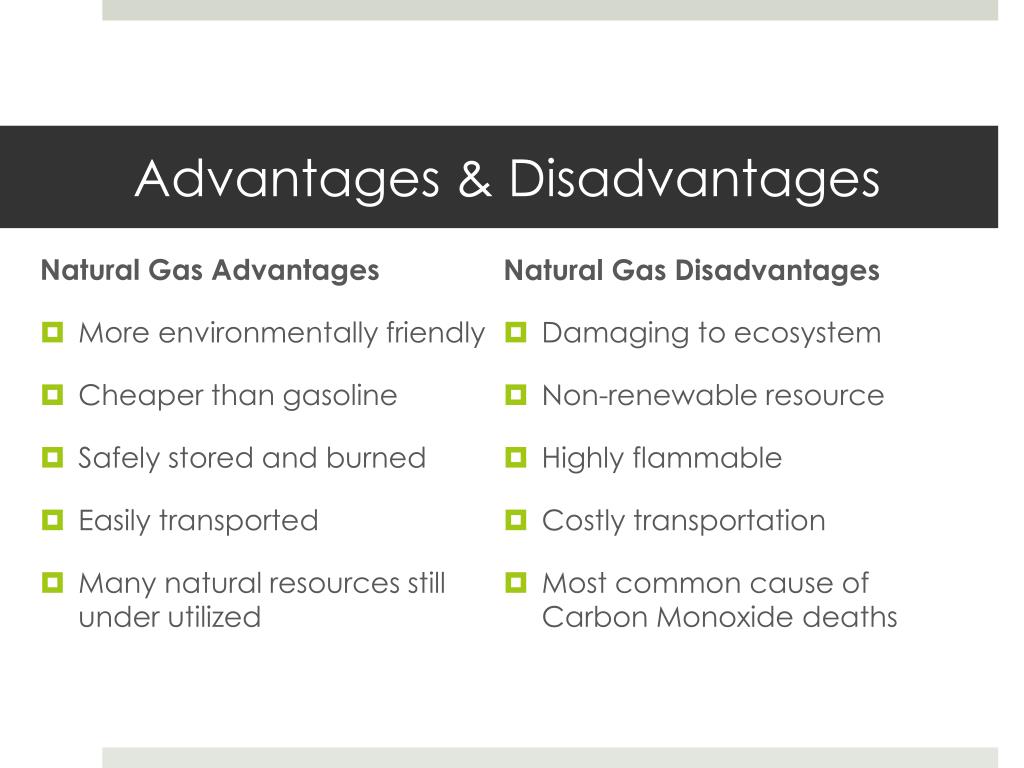
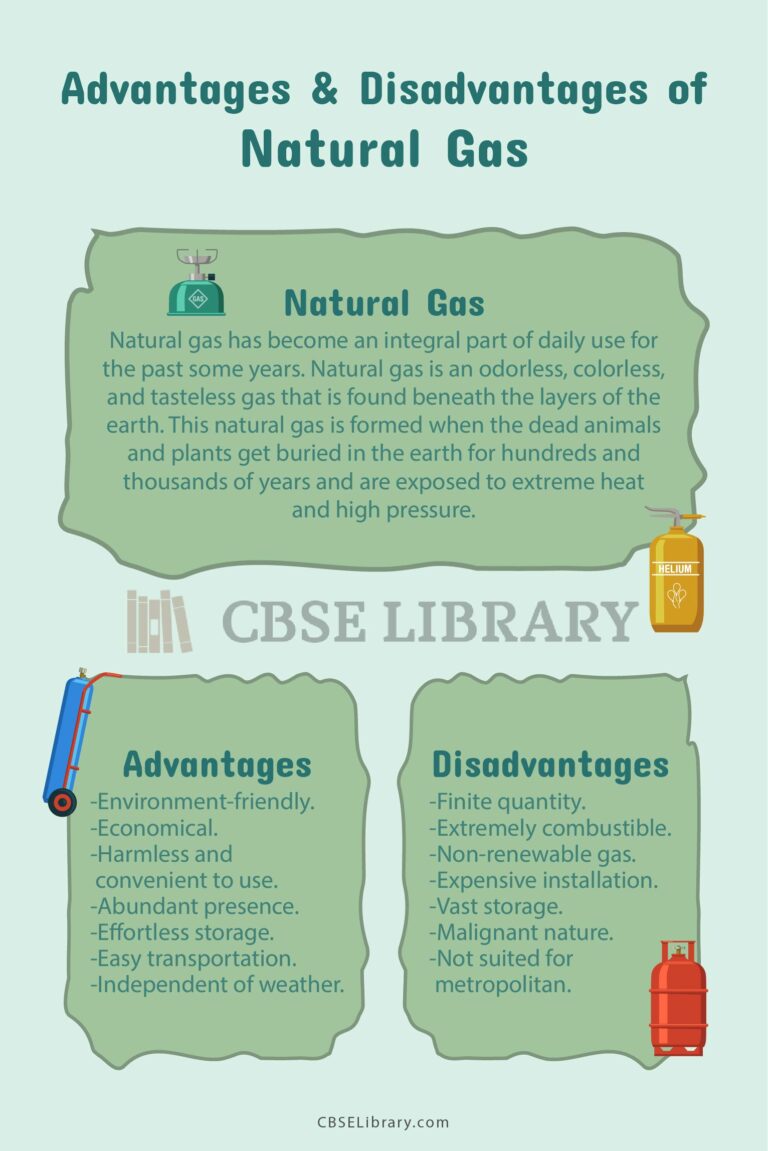
The Upsides: Why Natural Gas Gets a Thumbs-Up (Sometimes)
First, the good stuff. Natural gas, for all its potential drawbacks, has some significant advantages. Think of it like that friend who's a bit of a handful but always comes through in a pinch. You know, the one who might borrow your car and return it with an empty tank, but also shows up with pizza when you're having a breakdown? Yeah, natural gas is kind of like that.
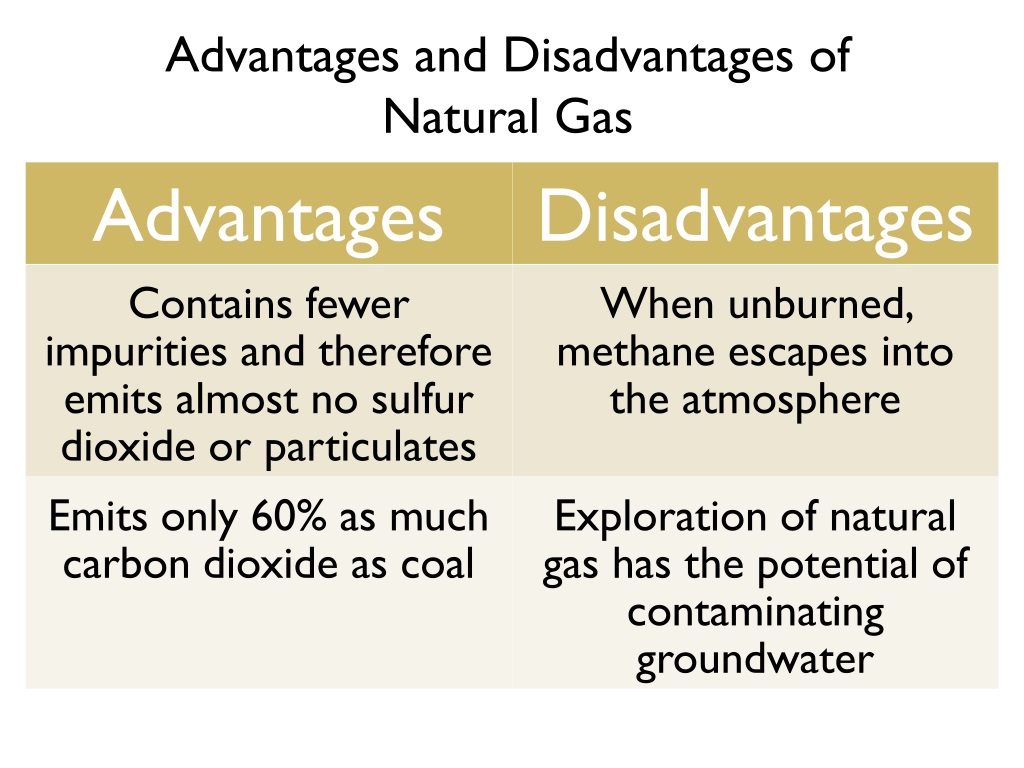
Lower Emissions Than Coal and Oil: Okay, let's get this straight: natural gas isn't exactly a saint when it comes to emissions. But compared to coal and oil, it's a definite step up. Burning natural gas releases less carbon dioxide (CO2), the main culprit behind climate change. It also produces fewer air pollutants like sulfur dioxide and nitrogen oxides, which are bad news for our lungs. Think of it as choosing a slightly less sugary soda over a pure sugar syrup – still not great, but a better choice, right?
Must Read
Abundant and Relatively Affordable: Thanks to fracking (we'll get to the downsides later!), natural gas is pretty abundant in many parts of the world, particularly in the United States. This abundance often translates to lower energy prices for consumers. Which means lower heating bills in the winter! Who doesn't love that? Especially during those polar vortexes.
Reliable and Versatile: Unlike solar and wind power, which depend on the weather, natural gas can be used 24/7, 365 days a year. It powers our homes, heats our water, cooks our food (remember my stove!), and even fuels power plants. It's the workhorse of the energy world.
Infrastructure Already in Place: We've been using natural gas for decades, which means we already have a massive network of pipelines and storage facilities in place. This makes it easier (and cheaper) to integrate natural gas into our existing energy system compared to building entirely new infrastructure for renewable energy sources. Think of it as using roads that are already built instead of forging a path through the jungle. Less hassle, right? Although, maybe forging a path through the jungle would be more environmentally friendly in the long run… Hmm.
The Downsides: The Dark Side of the Gas Flame
Alright, now for the not-so-pretty stuff. Natural gas isn't all sunshine and rainbows. It's got its fair share of issues that we can't ignore. Prepare for the reality check.
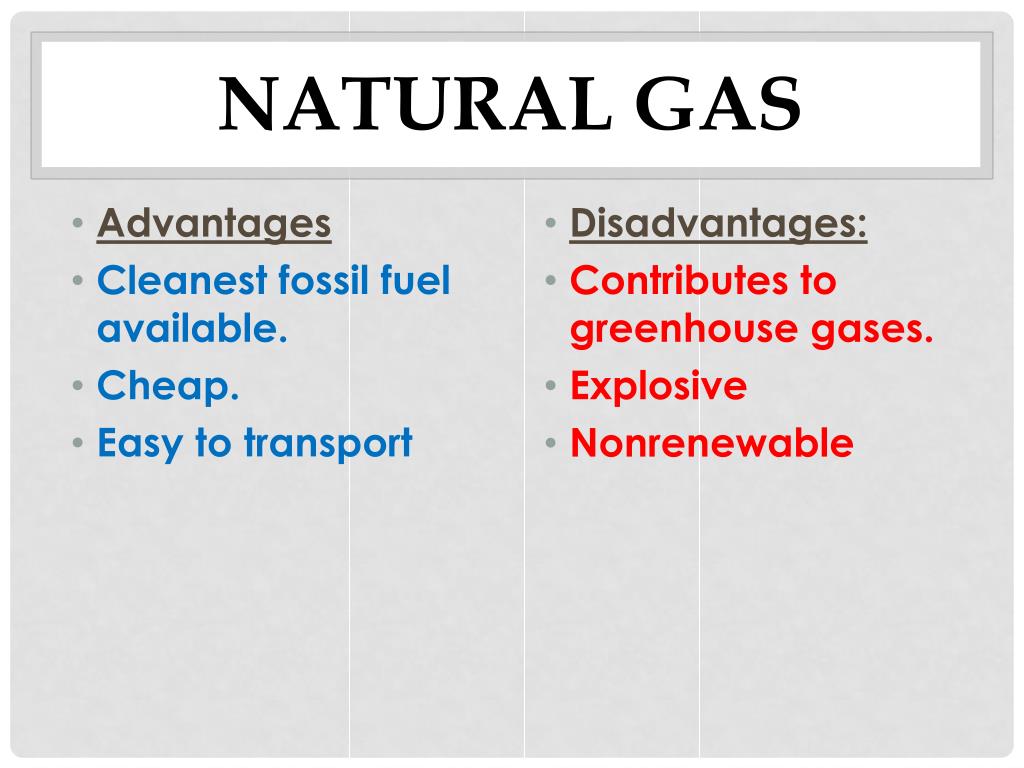
Methane Leakage: This is a big one. Methane (CH4), the main component of natural gas, is a much more potent greenhouse gas than carbon dioxide, at least in the short term. Even small leaks from natural gas infrastructure (pipelines, wells, etc.) can have a significant impact on the climate. Imagine a tiny hole in a balloon slowly deflating it – that's kind of what's happening with methane leakage. Scary, right?
Fracking Concerns: The process of fracking (hydraulic fracturing) to extract natural gas has raised serious environmental concerns. These include the potential for groundwater contamination, induced seismicity (earthquakes!), and habitat destruction. It's like getting access to a treasure chest, but the act of getting to it destroys the surrounding forest. Worth it? Debatable.
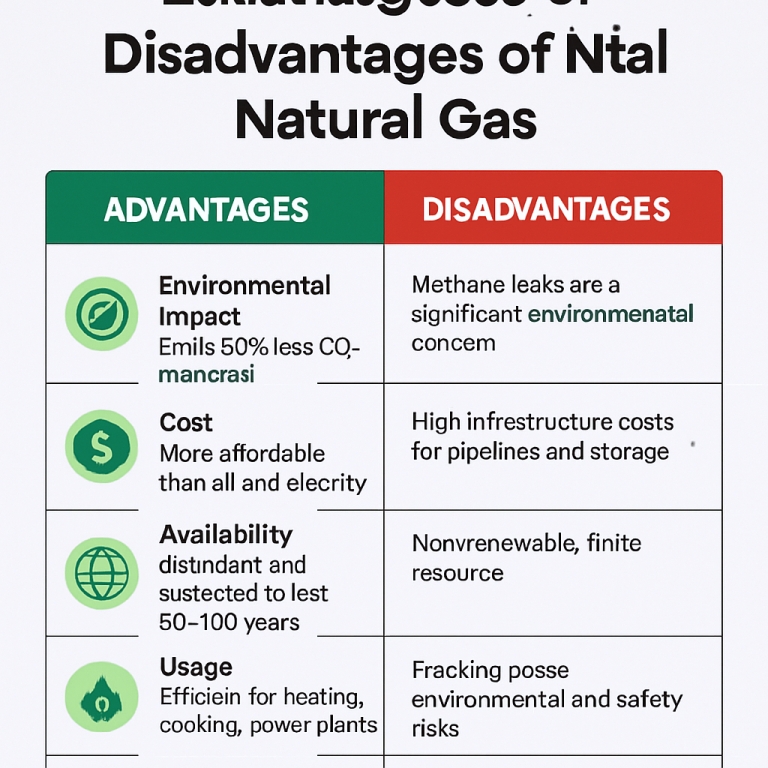
Non-Renewable Resource: Despite its abundance, natural gas is still a finite resource. Eventually, we'll run out. Relying too heavily on natural gas now could simply postpone the inevitable transition to truly renewable energy sources. It's like borrowing money from your future self – it might solve your problems now, but you'll have to pay it back later (with interest!).
Combustion Byproducts: Even though natural gas burns cleaner than coal and oil, it still produces harmful byproducts like nitrogen oxides and particulate matter, which can contribute to air pollution and respiratory problems. So, even though the exhaust might look cleaner, doesn't mean it is clean.
So, What's the Verdict?
Natural gas is a complex issue. It's not the perfect solution to our energy needs, but it's also not the absolute worst. It's a transitional fuel, potentially helping us bridge the gap between fossil fuels and renewable energy sources. But we need to be mindful of its downsides, especially methane leakage and the environmental impacts of fracking. Maybe it's time we started focusing on minimizing the "handful" parts of our relationship with natural gas and moving towards more sustainable energy sources. What do you think?