Advantages Disadvantages Of Renewable Energy Sources
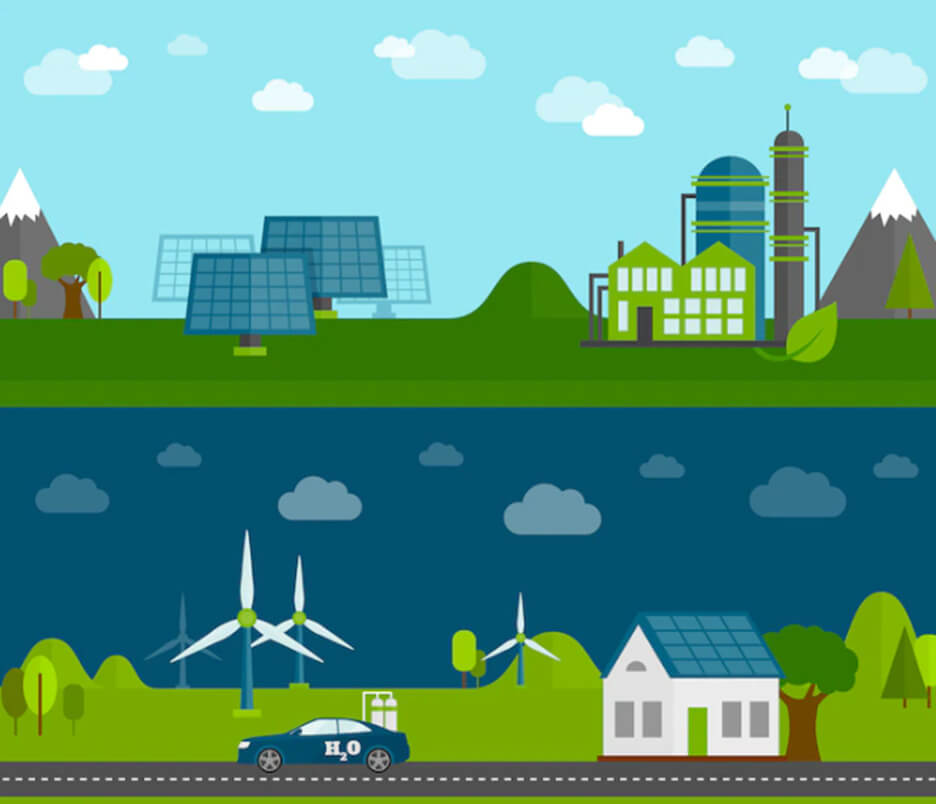
Let's face it, talking about energy usually sounds about as thrilling as watching paint dry. But trust us, understanding renewable energy is actually pretty cool! Why? Because it's all about powering our lives in a way that's kinder to the planet, and who doesn't want that? From the sun beaming down to the wind whipping across fields, renewable energy is tapping into nature's gifts to keep our lights on and our devices charged. So, let's dive into the wonderful world of renewable energy sources, exploring both the amazing perks and the not-so-amazing drawbacks.
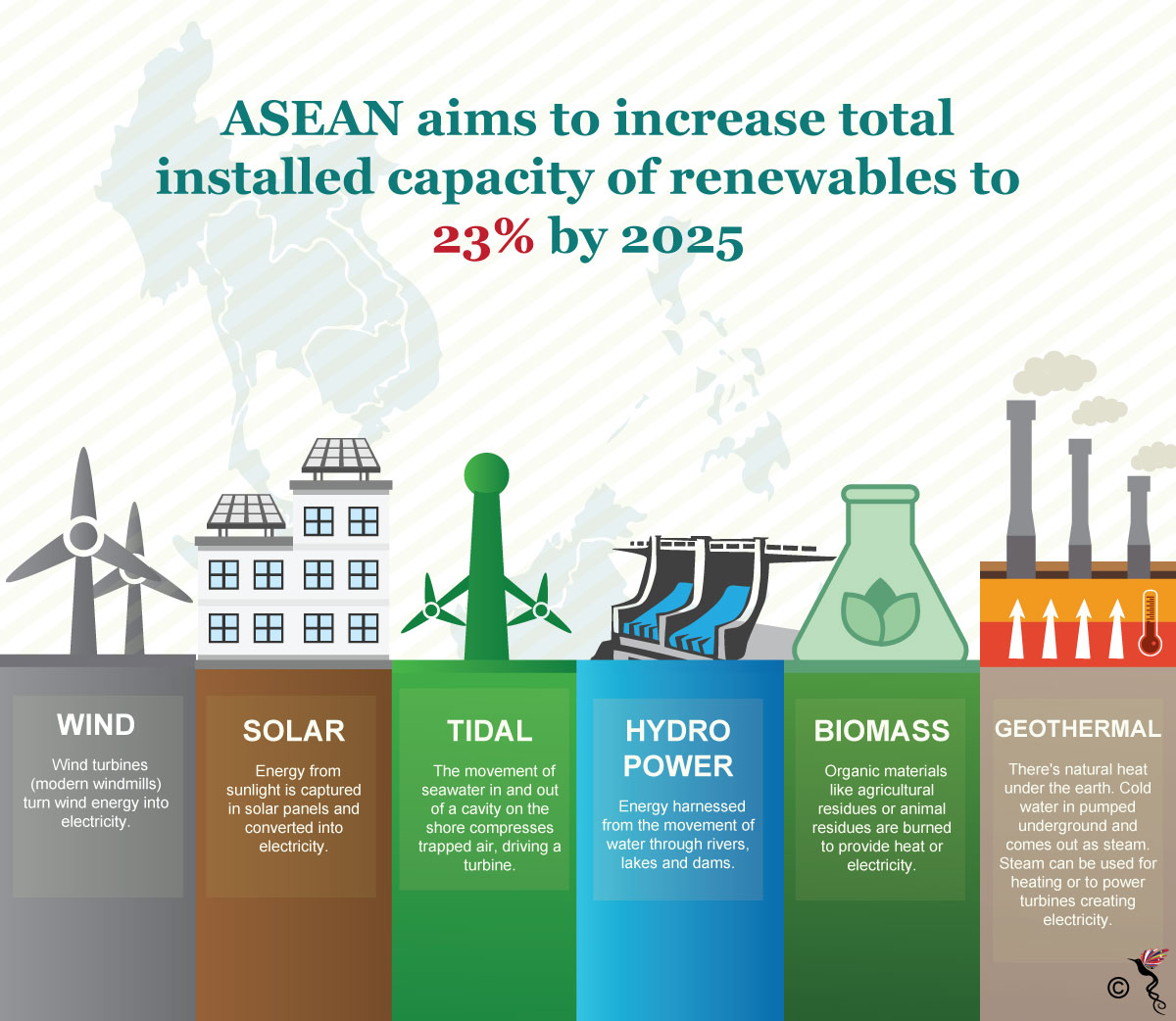
The main purpose of renewable energy is simple: to generate power without depleting natural resources or polluting the environment as much as fossil fuels do. The benefits are huge! Firstly, it's a sustainable source of energy. Unlike coal or oil, which will eventually run out, renewable sources like solar, wind, and hydro are constantly replenished by nature. Think of it as an endless supply of energy! Secondly, renewable energy is generally cleaner. While there are some environmental impacts associated with manufacturing and installation, renewable energy produces significantly fewer greenhouse gas emissions than fossil fuels, helping to combat climate change. Finally, embracing renewable energy can boost energy independence. Relying less on foreign oil and gas strengthens a country's economy and security.
Now, let's talk about the upsides in more detail. Solar power, for example, is abundant, especially in sunny regions. Once solar panels are installed, the cost of generating electricity is very low. Wind energy is another fantastic option, particularly in areas with consistent winds. Large wind farms can generate significant amounts of electricity. Hydropower, which uses the power of moving water, is a well-established renewable energy source. These sources also create jobs in manufacturing, installation, and maintenance, boosting local economies.
Must Read
But like everything in life, renewable energy isn't perfect. There are some disadvantages to consider. One major challenge is intermittency. The sun doesn't always shine, and the wind doesn't always blow. This means that renewable energy sources can be unreliable, requiring energy storage solutions or backup power sources. Another issue is location dependency. Solar power is best in sunny areas, while wind power is best in windy areas. Not all locations are suitable for every type of renewable energy. Initial costs can also be high. Installing solar panels or building a wind farm requires a significant upfront investment. Finally, some renewable energy sources can have environmental impacts. Large hydropower dams can disrupt river ecosystems, and wind turbines can pose a threat to birds.
Despite these challenges, the future of energy is undoubtedly renewable. As technology improves and costs continue to fall, renewable energy will become an increasingly important part of our energy mix. So, the next time you see a wind turbine or a solar panel, remember that you're looking at a piece of the puzzle in creating a cleaner, more sustainable future for all of us. It's a journey, and we're all in it together!