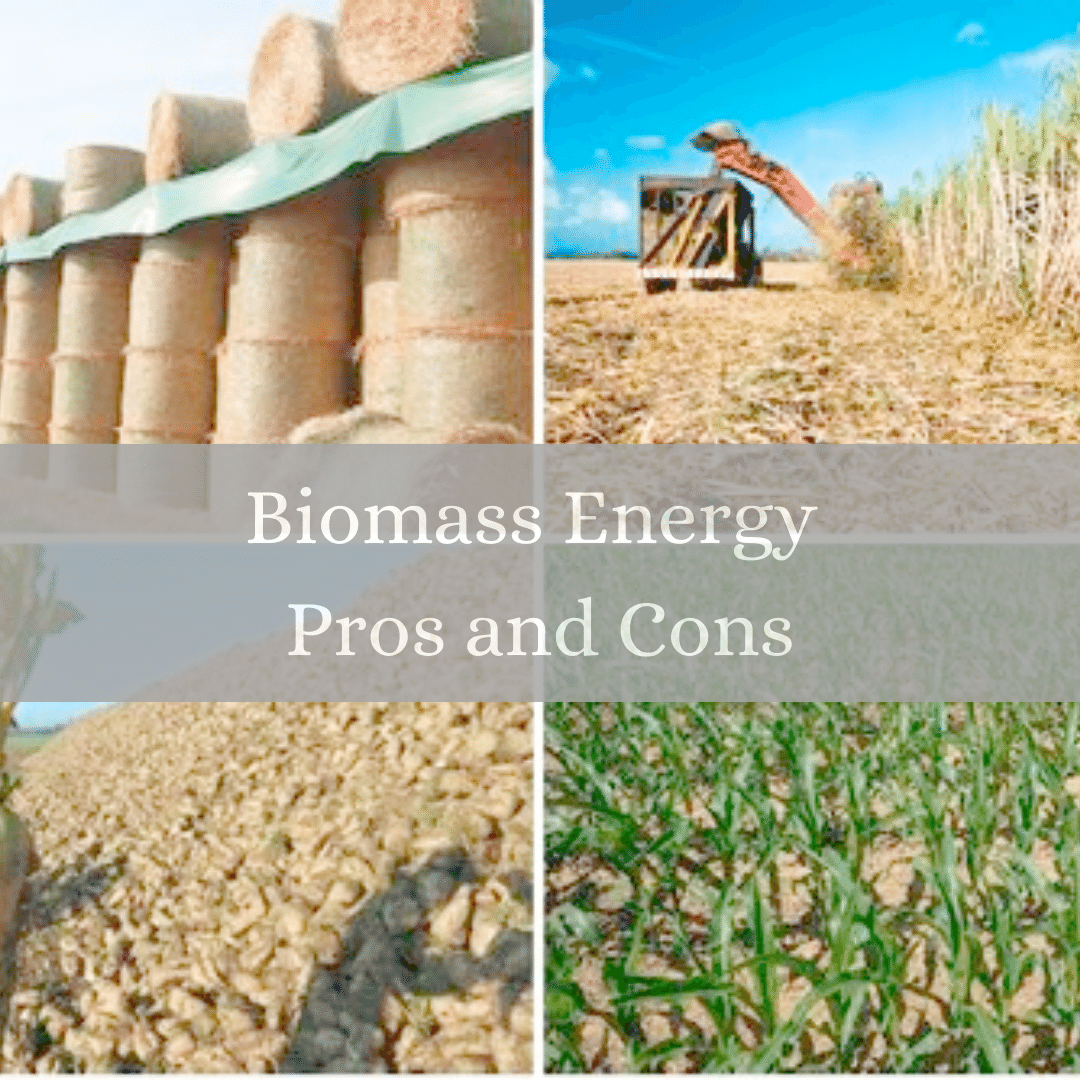
Advantages & Disadvantages Of Biomass Energy
Okay, so picture this: I'm camping last summer, trying to build a fire. I've got my twigs, my kindling, the whole shebang. I'm feeling all outdoorsy and self-sufficient. Except… it's raining. Everything's damp. Cue me, blowing and puffing until I’m red in the face and smelling faintly of smoke. Then it hit me – this is basically biomass energy in action, right? Burning organic matter to get heat! Except way less efficient and infinitely more frustrating. Which got me thinking... biomass – is it actually any good in the grand scheme of things?
Let’s dive into the weird and wonderful world of biomass energy, shall we? We'll weigh the pros and cons, figure out if it's a sustainable superstar or just another well-intentioned eco-wannabe.Spoiler alert: it’s complicated.
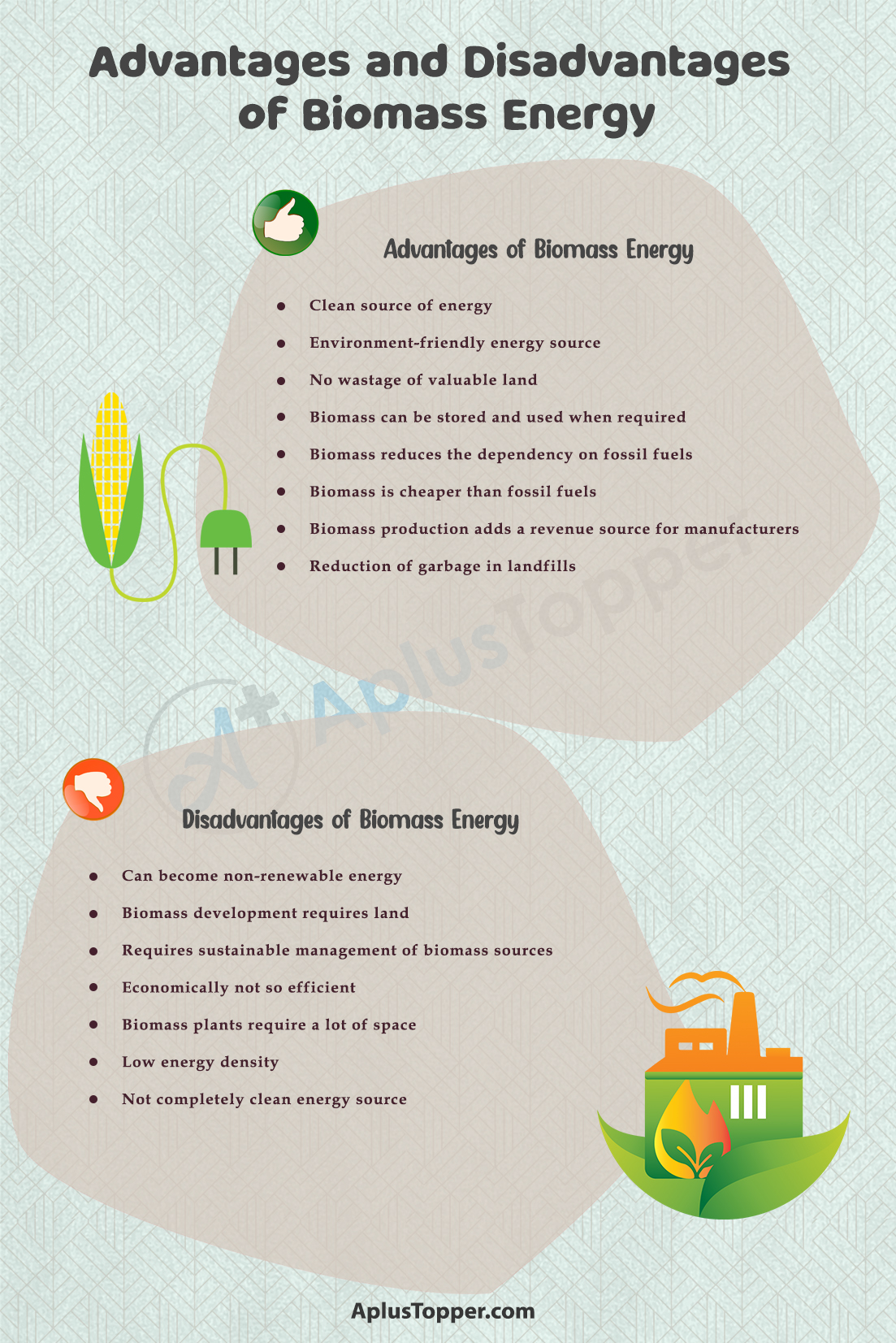
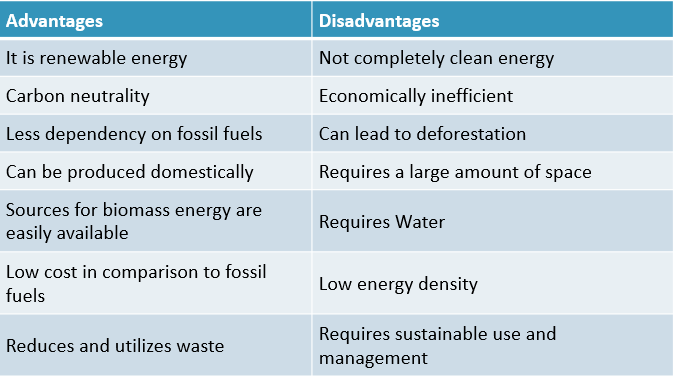
The Good Stuff: Biomass Advantages
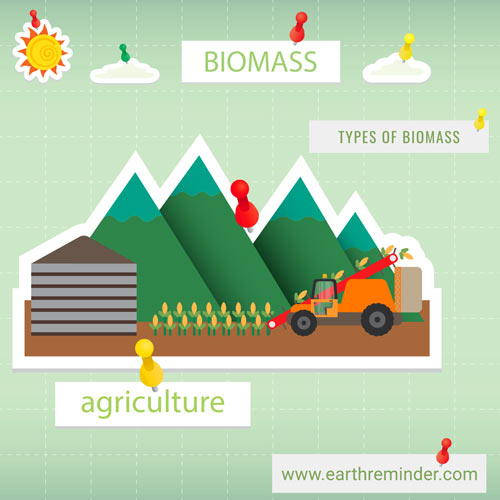
First, the upsides. Biomass is pretty darn renewable. As long as we keep growing plants and trees, and as long as we're dealing with organic waste (which, let's face it, we always will be), we've got a feedstock for biomass energy. Think wood chips, crop residues, even good ol' cow manure. Yep, you heard that right. Cow power!
Must Read
Another major plus? Biomass can be carbon neutral. (Hold your horses; we'll get to the "can be" part later.) The idea is that the carbon released when biomass is burned is the same carbon that the plants absorbed from the atmosphere while growing. So, in theory, it's a closed loop. No new carbon being added to the mix. Isn't that neat?
And let's not forget waste reduction. Biomass energy can put agricultural and forestry residues to good use, turning what would otherwise be trash into treasure (or at least, into electricity). Imagine all those leftover corn stalks after harvest actually powering homes. Pretty sweet, huh?

Plus, biomass power plants can provide a reliable baseload power, meaning they can generate electricity consistently, unlike solar and wind which depend on the weather. So you know, if you're planning on watching your favorite show you can count on it! No more blaming the wind for missing the series finale.
The Not-So-Good Stuff: Biomass Disadvantages
Alright, time to face the music. It’s not all sunshine and biofuel. Biomass energy has some serious drawbacks. The biggest one? It's not always carbon neutral in practice. Clearing forests to grow biomass crops? Definitely not carbon neutral. Transporting biomass over long distances? More fossil fuels burned, more emissions. The whole lifecycle of biomass needs to be carefully managed to ensure it actually lives up to its eco-friendly claims. (And let’s be real, that’s a tall order)
Then there's the issue of efficiency. Burning biomass isn’t as efficient as burning fossil fuels. Meaning you need to burn more of it to get the same amount of energy. More burning = more emissions, even if the fuel source is theoretically renewable. It’s a bit of a catch-22!
And let's not forget about the impact on land use. Dedicating vast tracts of land to growing biomass crops can compete with food production and lead to deforestation. Do we really want to trade food for fuel? I’m not sure I do.
Finally, there's the whole air pollution thing. Burning biomass releases particulate matter and other pollutants that can harm human health. Especially if we are taking into account older biomass plants that may not have the most up-to-date pollution control systems. (Cough, cough, hacking)
The Verdict? It's Complicated
So, is biomass energy good or bad? The answer, as usual, is "it depends." When done right, with sustainable practices and careful management, biomass can be a valuable part of a renewable energy mix. It can help reduce waste, provide reliable power, and potentially even be carbon neutral. But when done wrong, it can be just as damaging – or even more damaging – than fossil fuels. It needs the right context and tech.
Ultimately, the future of biomass energy hinges on our ability to get the details right. We need to focus on sustainable sourcing, efficient conversion technologies, and strict pollution controls. If we can do that, biomass might just be the unsung hero of the renewable energy revolution. If not… well, we might be better off sticking to solar panels and wind turbines. Or just learning to build a fire in the rain. Wish me luck with that last one!