
Advantages And Disadvantages Of The Energy Source

Alright folks, buckle up! Today we're diving headfirst (but safely, of course!) into the wild world of energy. We're going to look at where we get our power from, the good, the bad, and the sometimes downright wacky!
Solar Power: Sunshine and Rainbows (Mostly!)
Imagine this: your roof, silently soaking up the sun's rays and turning them into glorious electricity. That's solar power in a nutshell! Sounds pretty amazing, right?
The Sunny Side (Advantages)
First off, it's renewable! The sun isn't going anywhere anytime soon (hopefully!). That means endless free energy once you've got those panels installed.
Must Read
Plus, it's clean! No nasty smoke or fumes polluting our air. You're basically a superhero saving the planet one sunny day at a time!
Think of all the money you'll save on your electricity bill! You could be sipping margaritas on a beach somewhere, funded by the sun. Okay, maybe that's a bit of an exaggeration, but the savings are real!
And get this – solar panels are getting cheaper and more efficient all the time. It's like technology from the future, available today!
The Shadowy Side (Disadvantages)
Now, before you go tearing off your roof to install panels, let's talk about the downsides. What happens when the sun decides to take a day off? Cloudy days aren't great for solar power production.
Then there's the upfront cost. Those panels aren't free, unfortunately. You'll need to shell out some cash to get started, but think of it as an investment in a sun-powered future!
And those panels? They take up space! You'll need a good amount of roof area (or a field!) to generate a decent amount of power. It's like needing a big sunbathing spot for your energy source.
Finally, storing that energy can be tricky. Batteries are expensive, and if you don't have them, your power goes poof when the sun goes down. It is like having a solar-powered flashlight but no batteries.
Wind Power: Blowin' in the Right Direction?
Picture majestic windmills, gracefully spinning in the breeze, turning wind into electricity. It's like something out of a fairytale, only with more science!

Riding the Wind (Advantages)
Like solar, wind power is renewable. The wind is always blowing somewhere! Plus, it's another clean energy source, leaving a small carbon footprint.
Wind farms can generate a lot of electricity. These wind farms are like big, breezy power plants without all the pollution.
Farmers can even make money by leasing their land for wind turbines. Imagine your cows grazing happily beneath a giant, electricity-generating fan! It is like a win-win for everyone.
Against the Wind (Disadvantages)
But hold on, not everything is breezy! The wind doesn't always blow consistently. Some days it's a gale, other days it's as still as a sleeping sloth.
Those wind turbines can be noisy and some people find them unsightly. Others will tell you they're beautiful, so it really is in the eye of the beholder.
And then there's the impact on wildlife, especially birds. Turbines can be dangerous for our feathered friends. Scientists are constantly working on ways to minimize this.
Wind farms need space, and they are often built in remote areas. This can mean building new transmission lines to get the power to where it's needed, which adds to the cost.
Hydropower: Water You Waiting For?
Harnessing the power of moving water! Think of giant dams holding back rivers, and letting the water flow through turbines to generate electricity.
Making a Splash (Advantages)
Hydropower is a renewable resource, as long as the water keeps flowing. It's also a reliable source of power, as dams can store water and release it when needed.

Hydropower plants can last for decades. Those dams are built to last! Some have been around for almost a hundred years.
Dams can also provide flood control and irrigation. This is a multi-purpose powerhouse. It can help protect communities and provide water for agriculture.
Troubled Waters (Disadvantages)
But building dams can have a big impact on the environment. It can disrupt river ecosystems and displace communities, which is really bad.
Dams can also change water flow and affect water quality downstream. This can harm fish populations and other aquatic life.
And sometimes, dams can fail. That can cause catastrophic flooding. So keeping up with maintenance and inspection is extremely important.
Nuclear Power: Splitting Atoms, Not Hairs
This one’s a bit more complex: using the energy from splitting atoms to create heat, which then boils water to turn turbines. It's like a tiny star in a big building!
Atomic Advantages
Nuclear power is incredibly efficient. A small amount of fuel can generate a huge amount of electricity.
It doesn't produce greenhouse gases. This is a huge bonus for combating climate change!
Nuclear power plants can operate 24/7, unlike solar or wind. This provides a constant and reliable source of energy. You can always rely on this energy source!

Atomic Annoyances
The big concern is nuclear waste. Dealing with this waste can be a challenge. You want to ensure that no harmful radiation escapes.
There's also the risk of accidents, like Chernobyl or Fukushima. These events are rare, but they can have devastating consequences.
Building nuclear power plants is expensive. It needs strong safety regulations. That can add to the cost.
Fossil Fuels: The Old Reliables (For Now)
This includes coal, oil, and natural gas. These are burned to create heat, which boils water to turn turbines. We have been using these fuels for centuries.
The Familiar Fuel (Advantages)
Fossil fuels are abundant and relatively cheap (for now). It is important to note that the prices are changing constantly.
We have a well-established infrastructure for using them. Pipelines, power plants, and refineries are everywhere.
Fossil fuels can provide a lot of energy, quickly and easily. They help meet the world's energy demands.
The Dirty Truth (Disadvantages)
Burning fossil fuels releases greenhouse gases, contributing to climate change. This is a major concern for the future of our planet.
They also pollute the air and water. This can harm human health and damage ecosystems.
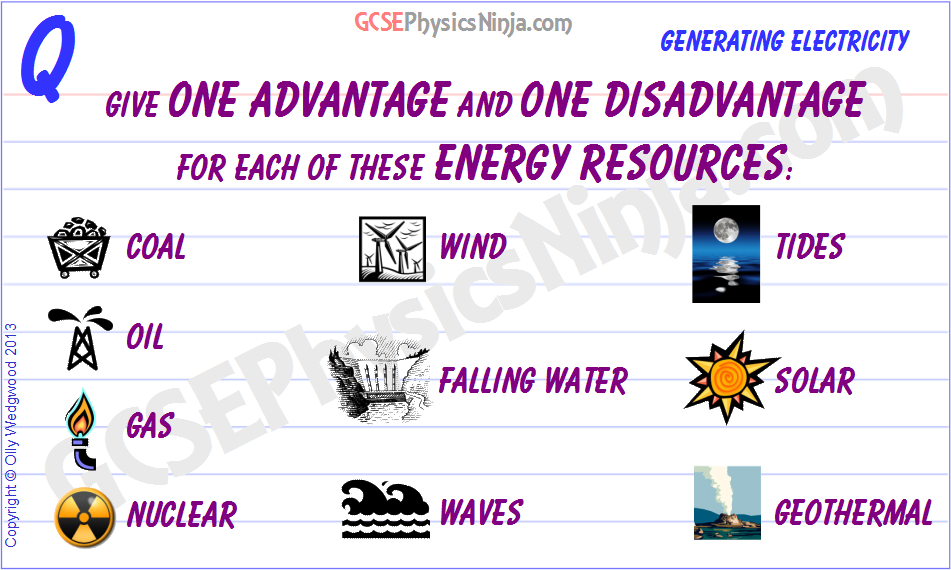
Fossil fuels are non-renewable. Once they are gone, they are gone. This is a limited resource.
Geothermal: Earth's Hidden Heat
Tapping into the Earth's internal heat to generate electricity or heat buildings directly. It's like having a giant underground radiator!
Heating Up (Advantages)
Geothermal energy is renewable and sustainable. The earth's core stays hot for billions of years.
It's a reliable source of energy. It is not affected by weather conditions.
Geothermal power plants have a small footprint. They do not need a lot of space.
Running Cold (Disadvantages)
Geothermal resources are not available everywhere. You need to live near a geologically active area.
Drilling deep into the earth can be expensive. This limits the development of the site.
Geothermal plants can release small amounts of greenhouse gases. However, it's far less than fossil fuels.
So, there you have it! A whirlwind tour of energy sources, both the good and the not-so-good. The future of energy is going to be a mix of all these things. It also depends on innovation and technology.