Advantages And Disadvantages Of Non Renewable Energy
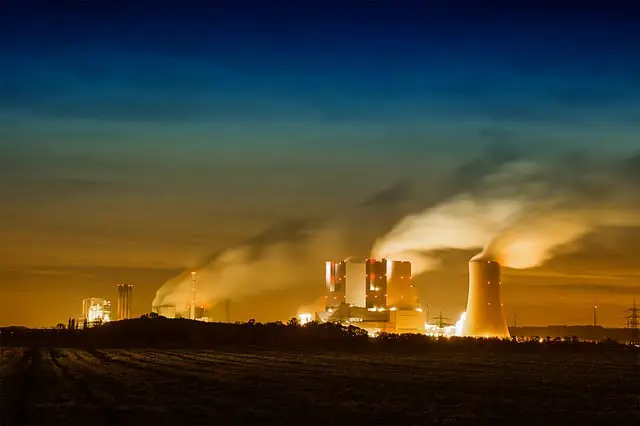
Let's face it, flipping a light switch and enjoying a warm shower without a second thought is something most of us take for granted. We love the instant gratification of electricity powering our gadgets and the comfort of heating our homes during chilly weather. These conveniences, more often than not, are fueled by non-renewable energy sources.
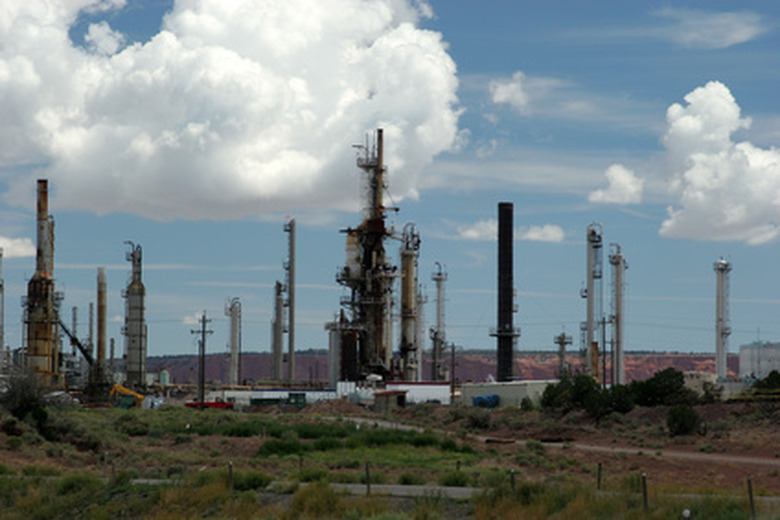
But what exactly are these energy sources, and why are they so vital in our daily lives? Non-renewable energy primarily encompasses fossil fuels like coal, oil, and natural gas, as well as nuclear energy. These resources were formed over millions of years and are finite, meaning they can't be replenished at the rate we're using them. Their primary purpose is to provide a reliable and consistent energy supply to power our world.
Think about it: your car probably runs on gasoline (derived from oil), the electricity powering your computer likely comes from a coal-fired power plant, and the natural gas heats your stove. These are just a few common examples. Industries rely heavily on non-renewable energy to manufacture goods, transport materials, and power their operations. In short, non-renewable energy has been the backbone of modern civilization, enabling industrial growth and improving living standards.
Must Read
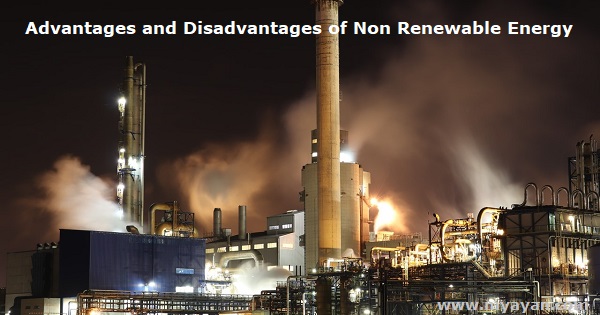
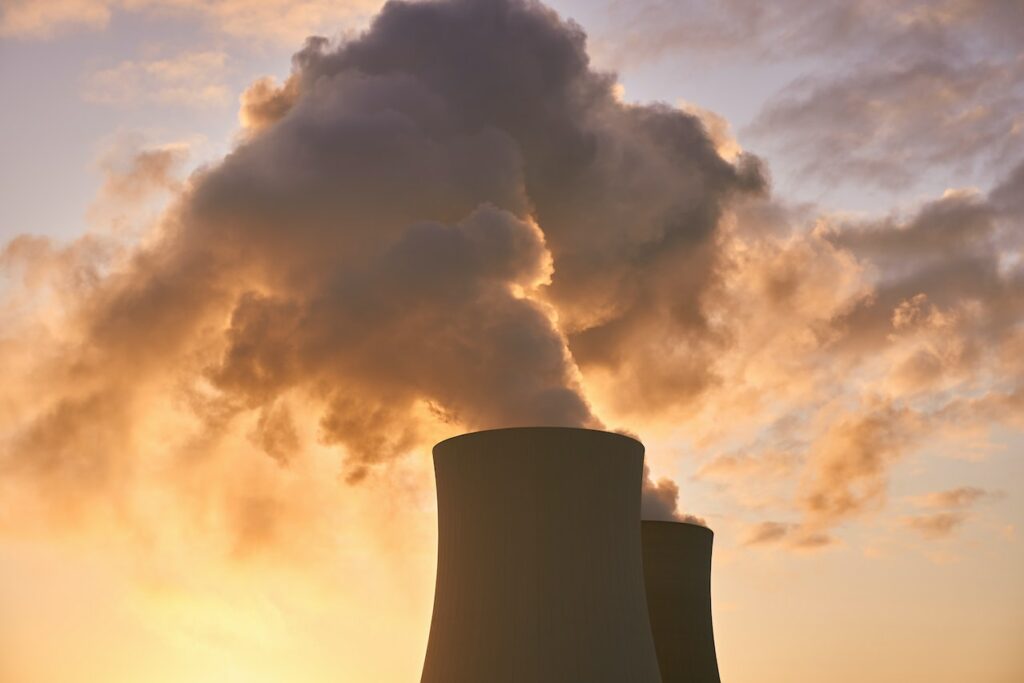
However, relying on non-renewable energy isn't without its drawbacks. The most significant concern is their environmental impact. Burning fossil fuels releases greenhouse gases like carbon dioxide, which contribute to climate change. This can lead to rising sea levels, extreme weather events, and disruptions to ecosystems. Furthermore, mining and drilling for these resources can damage landscapes and pollute water sources. Nuclear energy, while not producing greenhouse gases during operation, poses the risk of radioactive waste and potential accidents.
Another disadvantage is the limited supply. As these resources are finite, their prices are susceptible to fluctuations based on supply and demand, potentially impacting economies and energy security. This can also lead to geopolitical tensions as nations compete for access to these valuable resources.
So, how can we navigate this complex energy landscape? While transitioning entirely away from non-renewable sources is a long-term goal, we can be more mindful of our energy consumption right now. Consider these practical tips:
- Embrace energy efficiency: Switch to LED light bulbs, insulate your home, and unplug electronics when not in use.
- Reduce your reliance on personal vehicles: Opt for public transportation, cycling, or walking whenever possible.
- Support renewable energy initiatives: Advocate for policies that promote the development and deployment of renewable energy sources like solar, wind, and hydro power.
- Be a conscious consumer: Choose products and services from companies committed to sustainable practices.
Ultimately, understanding the advantages and disadvantages of non-renewable energy is crucial for making informed decisions about our energy future. By embracing energy conservation and supporting the transition to cleaner alternatives, we can work towards a more sustainable and environmentally responsible world.