
Advantages And Disadvantages Of Hydrogen Fuel Cells

Okay, so hydrogen fuel cells, right? They're buzzing around like the new kid in town, promising a cleaner, greener future. But like that new kid who claims to be a black belt in karate but trips over his own shoelaces, there's more to them than meets the eye. Let's dive into the good, the bad, and the slightly awkward about these energy sources.
The Upsides: Giving Mother Nature a High Five
First up, the advantages! And there are some seriously cool ones. Think of it like finally finding socks that match after years of mismatched laundry – pure bliss!
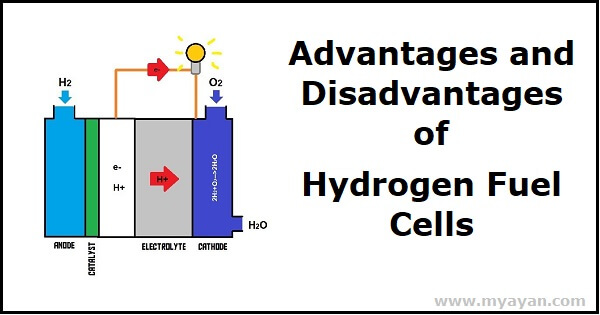
Zero Emissions (At the Tailpipe, Anyway): This is the big kahuna. When a hydrogen fuel cell does its thing, the only byproduct is water. Seriously, H2O. You could practically water your plants with it (don't actually do that, though, just saying!). Imagine, cars running on sunshine and spitting out… water! Talk about guilt-free driving.
Must Read
Higher Efficiency: Compared to your average gasoline engine, fuel cells are like that super-organized friend who always gets everything done early. They squeeze more power out of the fuel they use, which means less waste and, potentially, longer road trips before you need to "refuel" (or "re-hydrogenate," perhaps?).
Quieter Operation: Ever been stuck next to a Harley revving its engine at 6 AM? Yeah, not fun. Hydrogen fuel cells are whisper-quiet. Think of them as the zen masters of the engine world – calm, peaceful, and emitting no annoying roars.
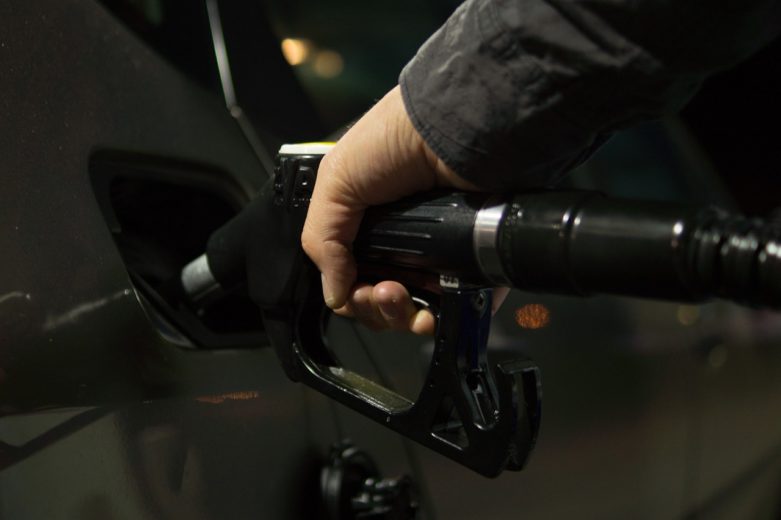
Fast Refueling: Unlike electric cars that can take what feels like an eternity to charge (especially when you're late!), refueling a hydrogen car is supposed to be quick – about the same time it takes to fill up with gasoline. We're talking a few minutes, not a coffee break and a quick nap.
Renewable Potential: Hydrogen can be produced from renewable sources like solar and wind power. So, you can get hydrogen from the sun to power your car? It's like something out of a sci-fi movie, except it's (potentially) real!
The Downsides: When the Hype Hits a Speed Bump
Now, for the disadvantages. Because let's be honest, nothing is perfect, not even perfectly matched socks. These are the hurdles that hydrogen needs to clear before it becomes the king of the road.
Hydrogen Production Challenges: Here's the catch – getting that hydrogen in the first place. Most hydrogen is currently produced from natural gas, which isn't exactly green. We need better, cleaner ways to make it, and that's a work in progress. Imagine ordering a veggie burger only to find out it's cooked in bacon grease. It defeats the purpose!
Infrastructure Issues: Where are you going to fill up your hydrogen car? Exactly. Hydrogen fueling stations are about as common as finding a unicorn at your local gas station. Building that infrastructure is expensive and time-consuming. It's like having a fancy new espresso machine but no coffee beans.
Storage and Transportation Woes: Hydrogen is a tricky gas. It's light, flammable, and wants to escape at every opportunity. Storing and transporting it safely and efficiently is a major engineering challenge. It's like trying to herd cats – they're going to go where they want, and you're just trying to keep them from causing too much trouble.

Cost: Fuel cells themselves are still pretty expensive. And the cost of hydrogen fuel can fluctuate. Basically, owning a hydrogen car right now is like buying a designer handbag – cool, but definitely not cheap. We need prices to come down before it becomes accessible to everyone.
Durability Concerns: There is debate about the lifespan and degradation of fuel cells over time, this is still being investigated with the technology getting more advanced.
The Verdict? Still Under Development
So, are hydrogen fuel cells the future of transportation? Maybe. They have enormous potential, but they also face significant challenges. It's like that promising athlete who needs to train harder and overcome injuries before they can become a champion. Keep an eye on them, because they might just surprise us all.