
Advantages And Disadvantages Of Energy Resources

Ever wonder where the power to charge your phone, light your home, or even brew your morning coffee comes from? It all boils down to energy resources! Thinking about where our energy originates is surprisingly fascinating, and understanding the pros and cons of each source is becoming increasingly important as we navigate our changing world.
So, what are energy resources, exactly? Simply put, they're the materials and processes we use to generate energy. This energy then powers our lives in countless ways. We need it for everything from transportation and manufacturing to heating and cooling our homes. Recognizing the benefits and drawbacks of different energy sources helps us make informed decisions, both individually and as a society, about how we want to power the future.
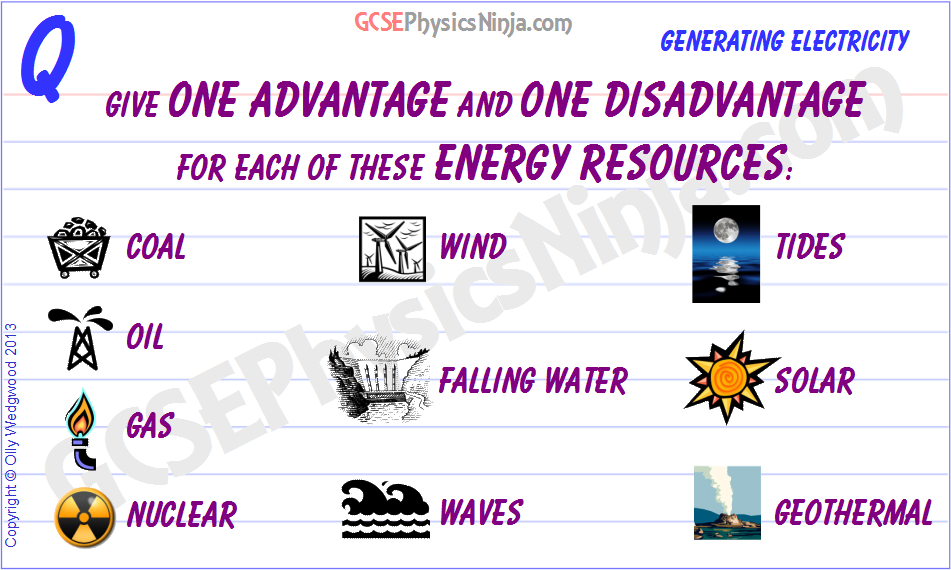
Let's dive into some examples. Fossil fuels, like coal, oil, and natural gas, have long been the dominant energy source. The advantage? They're relatively easy to access (though extraction can be environmentally damaging) and have a high energy density, meaning they produce a lot of power from a relatively small amount of fuel. You see this in action every time you fill up your car with gasoline. However, the disadvantage is significant: burning fossil fuels releases greenhouse gases, contributing to climate change and air pollution. They also are a finite resource.
Must Read
On the other hand, we have renewable energy resources like solar, wind, hydro, and geothermal. These are often touted as the future of energy. Solar panels on rooftops are a great example. The sun shines (hopefully!), and they generate electricity. Wind turbines, hydro dams, and geothermal plants work on similar principles, harnessing natural processes to create power. The big advantage is that these resources are, well, renewable! They replenish naturally, reducing our reliance on finite resources and minimizing greenhouse gas emissions. But there are disadvantages too. Solar and wind are intermittent, meaning they only generate power when the sun is shining or the wind is blowing. Hydro dams can have environmental impacts on river ecosystems, and geothermal is only available in specific locations. Furthermore, the initial costs of setting up renewable energy infrastructure can be high.
Even nuclear energy falls into the discussion. It doesn't produce greenhouse gases during operation, which is a definite advantage. However, the disadvantage includes the risk of accidents and the challenge of safely storing nuclear waste for thousands of years.
You can explore these concepts in your everyday life. Next time you see a wind turbine, think about the energy it's producing and its impact on the environment. At school, you might discuss different energy sources in science class or debate their pros and cons in a social studies lesson. Even something as simple as turning off lights when you leave a room is a small step towards energy conservation!
Want to learn more? Start with a simple internet search. Many educational websites and documentaries delve into the details of different energy resources. You could also investigate your local power company's energy sources and their plans for the future. Understanding the energy landscape is crucial for making informed choices and contributing to a more sustainable future. So, go ahead, explore the fascinating world of energy!


