Advantages And Disadvantages Of 3d Printing

3D printing: it's gone from a sci-fi fantasy to a present-day reality, popping up everywhere from dental offices to bustling maker spaces. What was once a complex industrial process is now accessible enough for budding artists, enthusiastic hobbyists, and even curious kids. But is it all smooth sailing? Let’s dive into the fascinating world of 3D printing and explore its highs and lows.
For artists and hobbyists, 3D printing is a game-changer. Imagine turning your digital designs into tangible objects with the click of a button! No longer are you limited by sculpting clay or carving wood. 3D printing allows you to create intricate, complex shapes that would be near impossible to achieve by hand. Think miniature figurines with impossibly fine details, custom jewelry designs with unique interlocking components, or even replacement parts for vintage toys. The possibilities are truly endless. Casual learners can also benefit immensely. Want to understand the intricacies of a human heart? Download a 3D model and print it out. Need to visualize a complex mathematical equation? 3D print a physical representation! It’s a powerful tool for visual learning and exploration.
Consider the sheer diversity of what you can create. You could 3D print a vibrant, abstract sculpture with swirling patterns, a realistic replica of your pet hamster, a functional phone case perfectly tailored to your device, or even cookie cutters in the shape of your favorite cartoon characters. The variations are only limited by your imagination and the type of filament you choose. Experiment with different materials – PLA for eco-friendly creations, ABS for durable, heat-resistant parts, or even flexible filaments for bendable designs. There are even filaments infused with wood or metal for unique textures and finishes.
Must Read
So, how do you get started with 3D printing at home? Firstly, you’ll need a 3D printer. There are many affordable options available, especially for beginners. Next, you’ll need slicing software, which converts your 3D model into instructions the printer can understand. Popular free options include Cura and TinkerCAD. Start with simple projects like printing small figurines or keychains. Don't be afraid to experiment! Watch online tutorials, join online communities, and learn from your mistakes. One tip: always make sure your print bed is properly leveled for optimal adhesion. A little bit of painter's tape can also help keep your prints stuck to the bed.

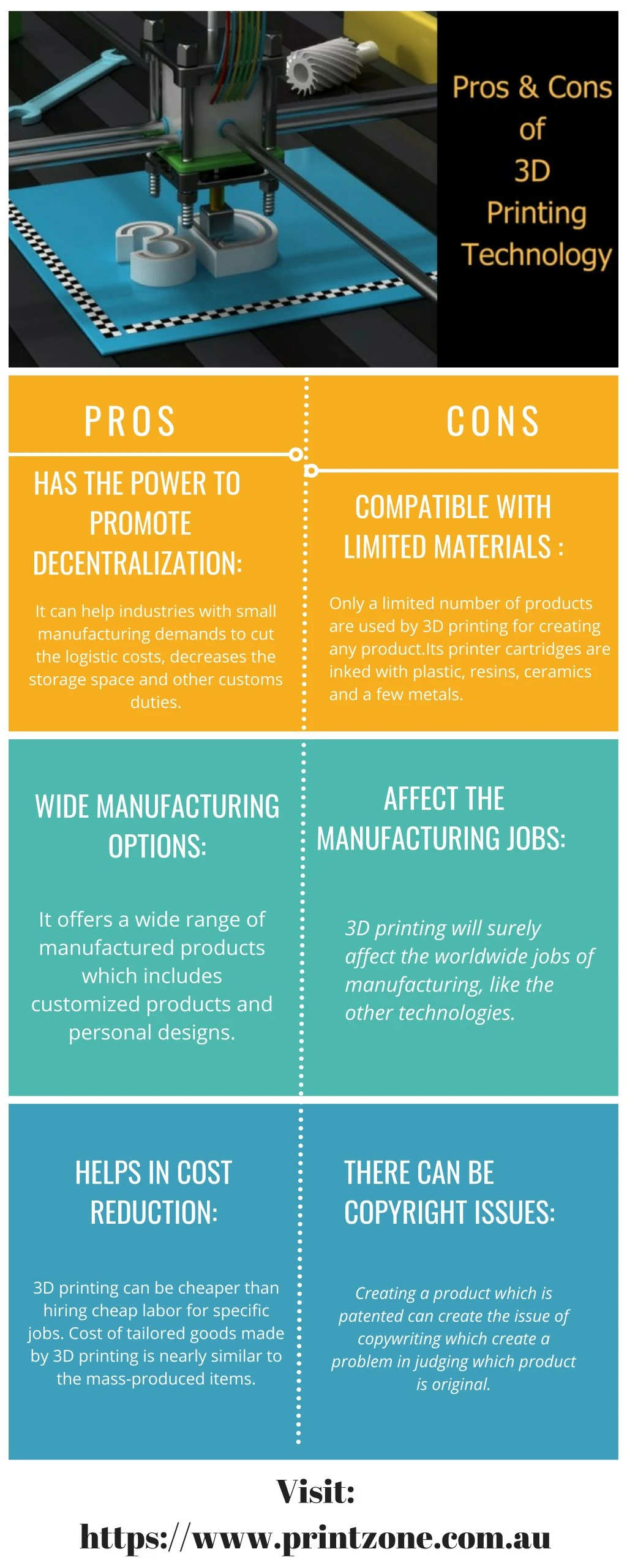
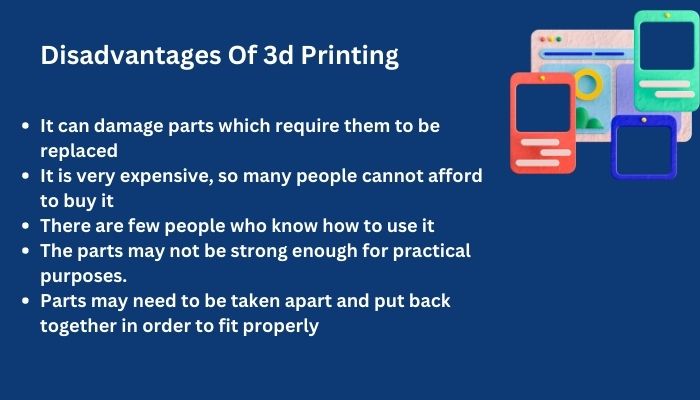
Of course, 3D printing isn’t without its drawbacks. The initial investment in a printer can be significant. The printing process can be slow, sometimes taking hours or even days for larger or more complex objects. There's also the potential for failed prints, which can be frustrating. Furthermore, the materials used, while becoming more sustainable, still contribute to plastic waste if not disposed of properly. Fumes can also be a concern, so ensure proper ventilation when printing.
Despite these challenges, the sheer joy of 3D printing lies in the creative freedom it offers. It's about bringing your ideas to life, solving problems with custom-designed solutions, and experiencing the thrill of watching a digital creation materialize before your eyes. It’s a journey of learning, experimenting, and ultimately, creating something unique. So, embrace the imperfections, celebrate the successes, and most importantly, have fun!