Advantages And Disadvantages For Biomass Energy
Ever wonder where your energy comes from? We flip a switch, and lights come on, but the journey that electricity takes to reach us is often a complex one. What if I told you we could power our world with...trees? Okay, maybe not just trees, but the idea is close! We're talking about biomass energy, and understanding it is surprisingly fascinating and increasingly important for our planet.
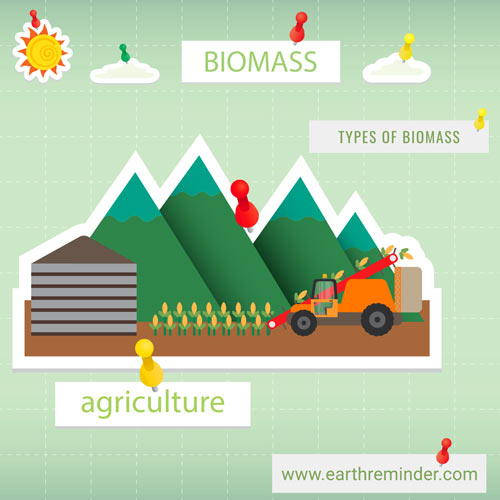
So, what exactly is biomass energy? Simply put, it's energy derived from organic matter – plants, animals, even agricultural and industrial waste. Think wood chips, corn stalks, and even methane gas produced by landfills. The basic principle is burning this organic material to create heat, which then powers turbines to generate electricity, or heats homes directly. It's like a super-efficient campfire, on a massive scale!
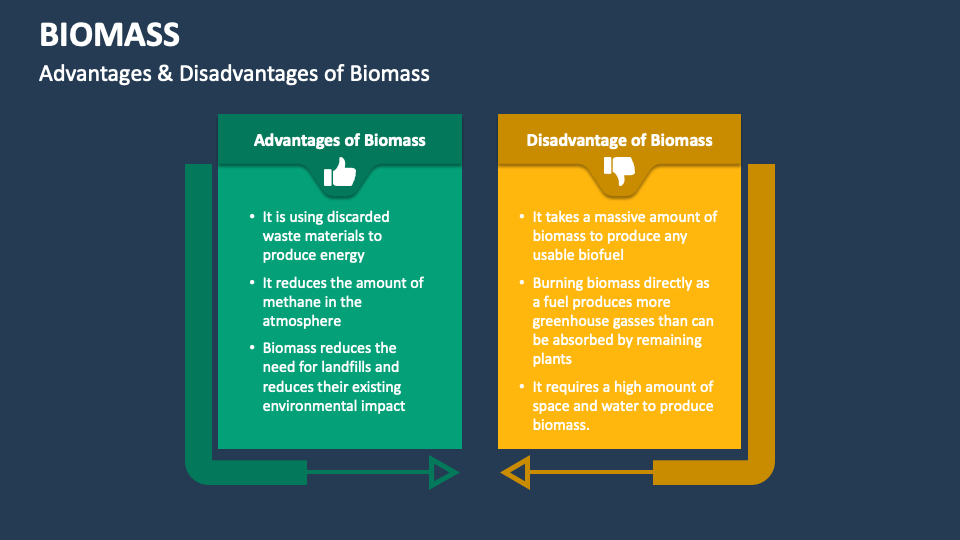
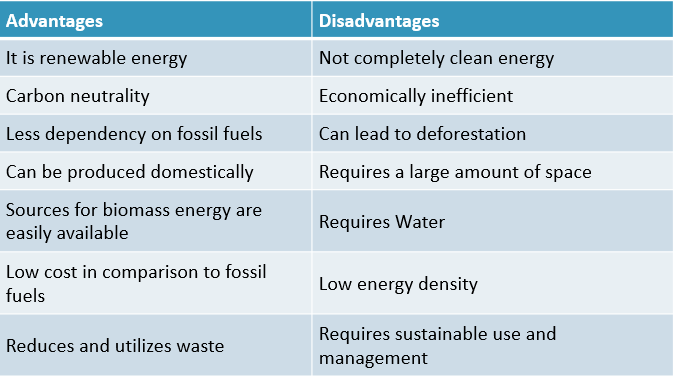
The benefits of biomass energy are pretty compelling. Firstly, it's considered a renewable resource. As long as we continue to grow plants and manage our waste responsibly, we'll have a continuous supply of biomass. This contrasts sharply with fossil fuels, which are finite. Secondly, biomass can help reduce our reliance on those very same fossil fuels, lowering carbon emissions and combating climate change. Burning biomass isn't carbon neutral (it still releases CO2), but if sourced sustainably, the plants used to create it absorbed CO2 during their growth, creating a closed loop, or a smaller net increase. Finally, using waste biomass can address disposal problems. Turning garbage into power? That's a win-win!
Must Read
You might be closer to biomass energy than you think. Many schools and universities are using wood-fired boilers to heat buildings and generate electricity. In some rural communities, wood stoves are still a primary source of heat. You can even see biomass in action when composting food scraps – the heat generated is a small-scale example of the energy potential locked within organic matter. Industrial applications are growing, with companies using biomass for manufacturing processes and powering entire facilities.

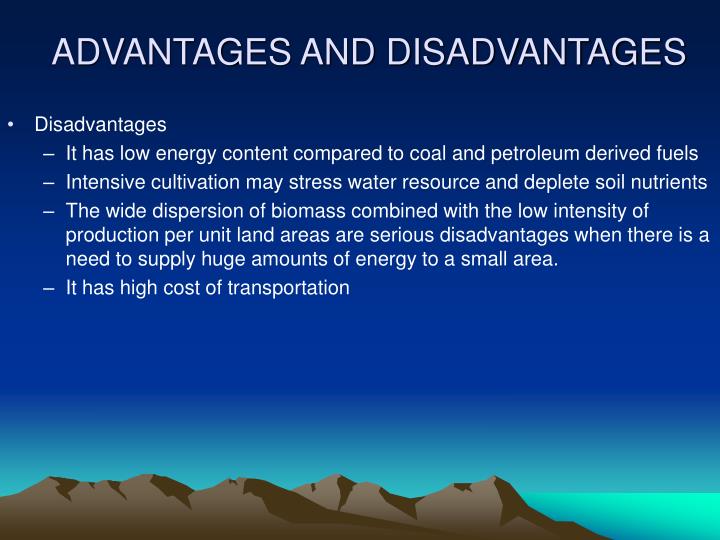
However, biomass energy isn't without its challenges. One major disadvantage is the potential for deforestation if biomass isn't sourced sustainably. Cutting down forests faster than they can regrow defeats the purpose of renewable energy. Another concern is air pollution. Burning biomass can release particulate matter and other pollutants, impacting air quality. Efficient combustion technologies and careful regulations are essential to minimize these emissions. Furthermore, the energy density of biomass is lower than fossil fuels, meaning you need more of it to produce the same amount of energy. This requires more land and resources for harvesting and transportation.
Want to explore biomass energy further? Start with small steps! Research local biomass energy initiatives in your area. See if your local power company offers renewable energy options, including those sourced from biomass. Learn about sustainable forestry practices. Even something as simple as composting your food scraps can give you a better understanding of the energy potential in organic waste. Understanding the trade-offs between the advantages and disadvantages of biomass is crucial as we explore diverse paths to a cleaner energy future. It’s a complex puzzle, but understanding biomass is a piece worth finding!