
According To The Map Most Hurricanes Occur Where
Hey there, friend! Ever looked at a map of the world and thought, "Hmm, I wonder where those swirling, stormy beasts we call hurricanes like to hang out?" Well, grab your metaphorical (or literal!) magnifying glass, because we're about to dive into the wild world of hurricane hotspots!
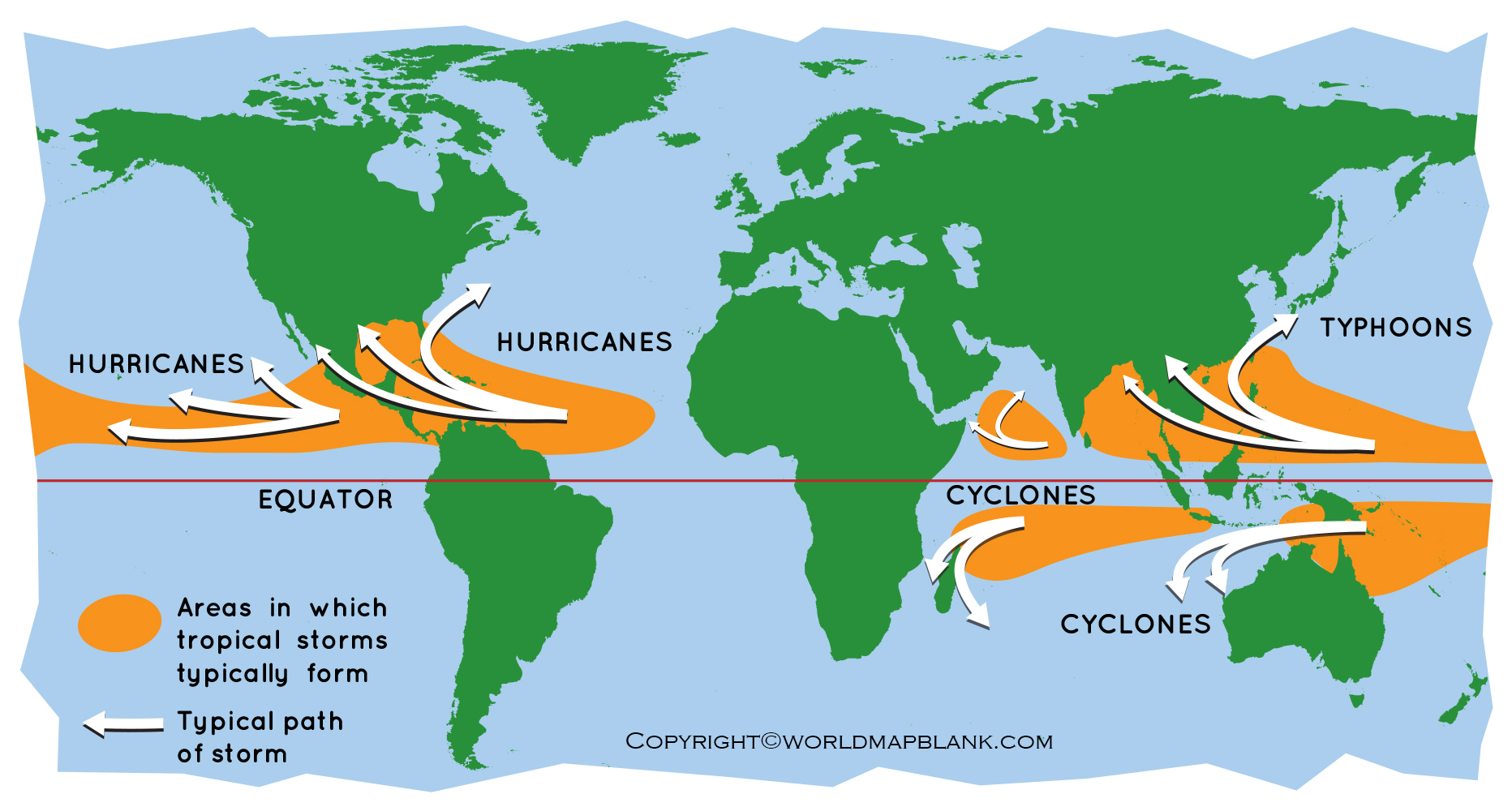
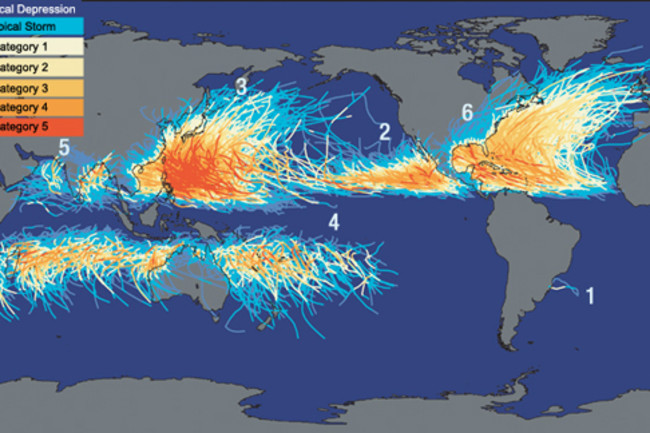
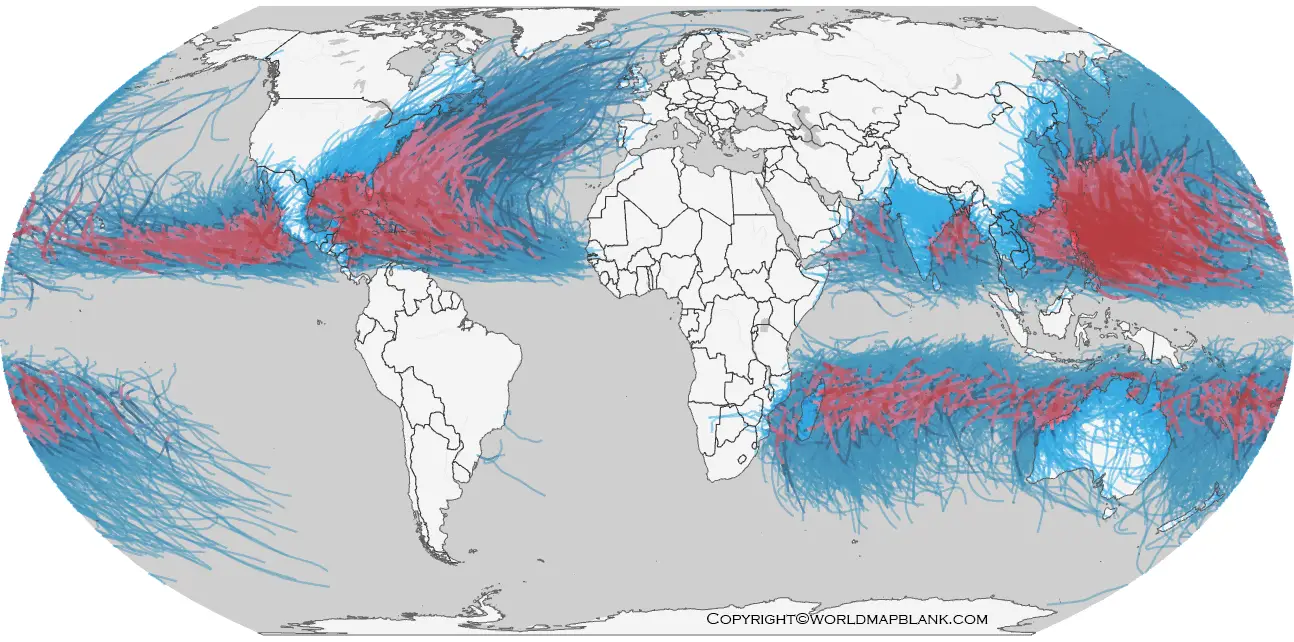
So, what's the big secret? Where do these powerful storms tend to form and roam, according to the map? Mostly, it's over warm ocean waters near the equator. Think of it as their tropical paradise – just not the kind you want to vacation in during hurricane season!
The Hurricane Hotspots: A World Tour!
Let's break it down by region, shall we? This isn't just some abstract idea; specific areas are WAY more prone to hurricane activity than others.
Must Read
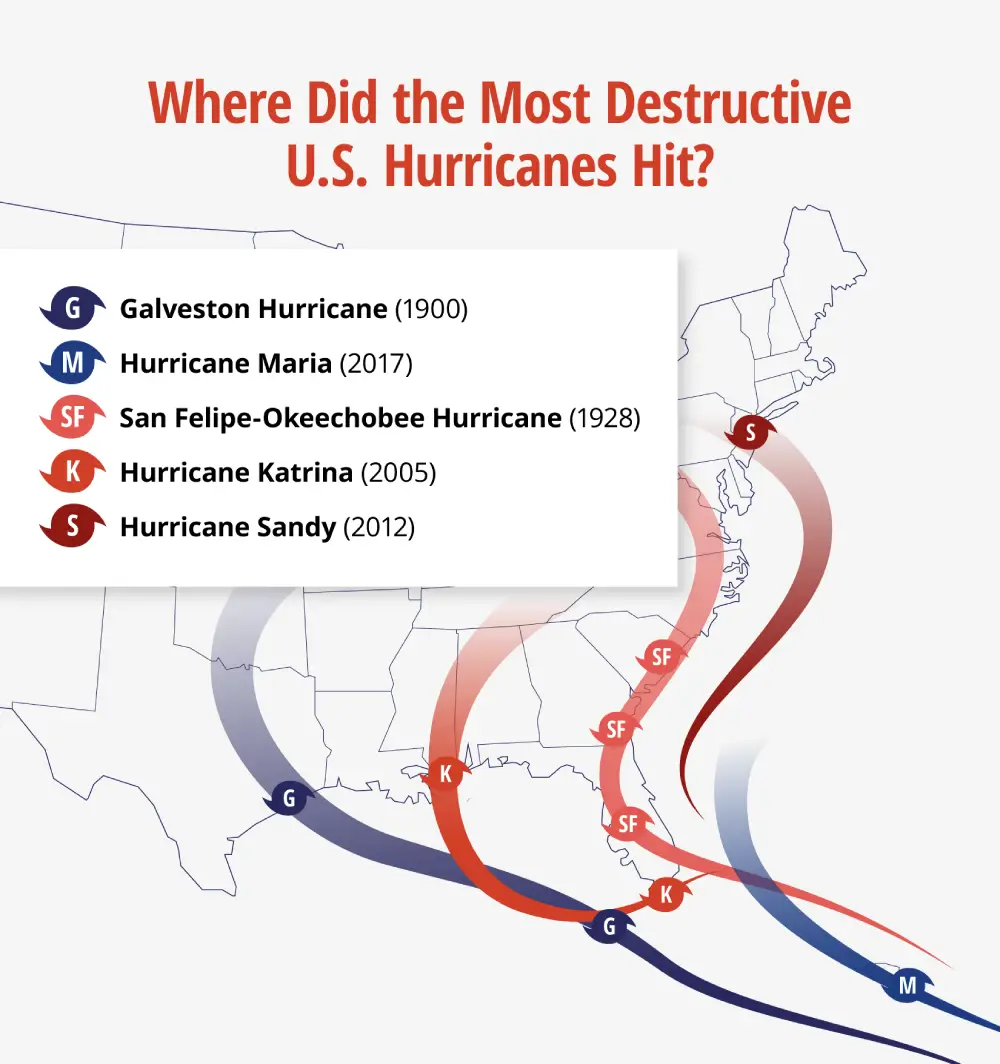
The North Atlantic: Ah yes, the classic. This is where a whole bunch of hurricanes that affect North America and the Caribbean get their start. Imagine warm water just off the coast of Africa, mingling with the right atmospheric conditions... BAM! Hurricane nursery. You might hear meteorologists talk about the Main Development Region (MDR). That's basically hurricane central!
The Eastern Pacific: This area sees plenty of action too! Hurricanes here tend to travel westward, sometimes impacting Mexico and Central America, or even, very rarely, Southern California (though those are usually weakened by the time they arrive – phew!).

The Western Pacific: Now this is where things get REALLY interesting. We're talking typhoons here – basically hurricanes by another name (and sometimes even stronger). Places like the Philippines, Japan, and China deal with a high frequency of these powerful storms. It's a region where warm ocean temperatures meet favorable atmospheric conditions, making it a prime breeding ground.
The Indian Ocean: Not to be left out, the Indian Ocean also gets its fair share of tropical cyclones (another name for hurricanes!). These storms can impact countries like India, Bangladesh, and Madagascar. The Bay of Bengal is particularly vulnerable.
Australia and the Southwest Pacific: Down under gets its share of cyclones too! They often impact the northern and western coasts of Australia, as well as islands in the Southwest Pacific.
Why the Warm Water, Though?
Okay, so we know where they happen, but why those spots? The answer, my friend, is simple: warm water is the fuel that powers these storms. Think of it like gasoline for a car, but instead of driving you to the grocery store, it's fueling a massive swirling vortex of wind and rain. Sorry for the analogy, I just really like to think about cars.
Warm ocean water (typically at least 80°F or 26.5°C) provides the necessary energy for hurricanes to form and intensify. As the water evaporates, it rises and cools, releasing heat in the process. This heat warms the surrounding air, causing it to rise further, creating a cycle of rising air and low pressure. The low pressure then draws in more air, which also warms and rises, further fueling the storm.
And don't forget the Coriolis effect (thanks, Earth's rotation!), which causes the winds to spin and create that characteristic swirling shape we see in satellite images.
A Few Extra Tidbits (Because Why Not?)
Hurricane season varies by region. For example, the Atlantic hurricane season officially runs from June 1st to November 30th, while the Western Pacific typhoon season is more spread out throughout the year.
Climate change is impacting hurricanes. Warmer ocean temperatures are likely contributing to stronger and more intense storms. Scientists are working hard to understand exactly how climate change is affecting hurricane frequency and intensity.
We're getting better at predicting hurricanes. Thanks to advances in technology and scientific understanding, we're now able to forecast hurricane tracks and intensity with greater accuracy, giving people more time to prepare.
So, What's the Takeaway?
Hurricanes are a powerful and potentially devastating force of nature, but understanding where they are most likely to occur can help us prepare and mitigate their impact. Remember, being informed is the best defense! Knowledge is power, my friend, and knowing that warm ocean waters near the equator are hurricane havens gives you a little bit more power over the storm.
Keep an eye on those maps, stay informed, and remember that even the fiercest storms eventually pass. And who knows, maybe one day you'll be explaining all this to someone else! Stay safe and stay curious!