Ac Is Preferred For Vertical And Overhead Welding

There's something deeply satisfying about welding. Maybe it's the raw power, the controlled chaos of sparks and heat, or the sheer act of creating something strong and durable from seemingly disparate pieces of metal. For hobbyists, it’s the joy of building a custom barbecue pit or repairing a vintage car. For professionals, it's the backbone of countless industries, holding together our bridges, buildings, and the very infrastructure that keeps our world running. But when it comes to the tricky business of vertical and overhead welding, the type of current you choose can make a world of difference. And that's where AC, or Alternating Current, often shines.
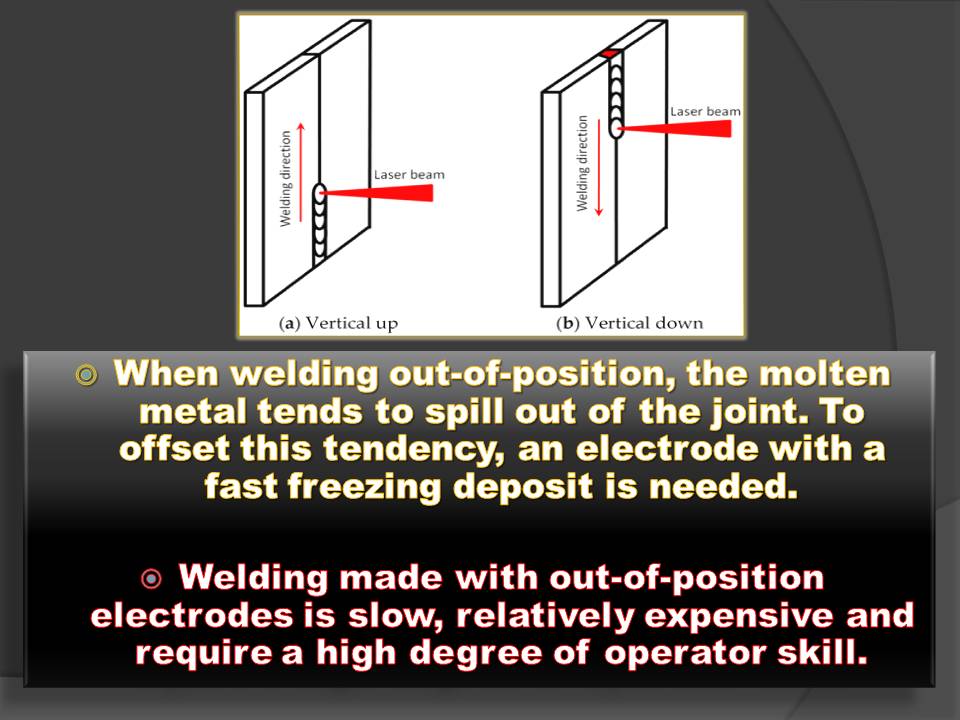
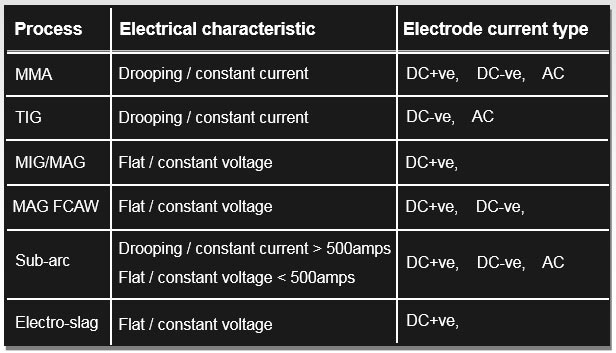
So, why is AC welding preferred for these gravity-defying positions? The answer lies in its unique characteristics. Think of DC, or Direct Current, as a steady stream – powerful, but relentless. This can be fantastic for flat welding where gravity is your friend, but when you're fighting against it, that constant push of molten metal can lead to sags and drips, turning your weld into a hot, molten mess. AC, on the other hand, alternates its current flow. It’s like a pulse, providing periods of heating and cooling. This natural cooling effect is key for vertical and overhead welding because it allows the metal to solidify slightly between passes, preventing it from drooping and ensuring a cleaner, more controlled weld.
You might not realize it, but AC welding is all around you. Look up at the framework of a building, the intricate supports of a bridge, or even the welds on a playground swing set. Chances are, AC welding played a crucial role in their construction. In shipbuilding, the hulls and superstructures often require extensive vertical and overhead welds, making AC welding an indispensable tool. It's also frequently used in pipeline construction, where welding pipes in situ often necessitates working in challenging positions.
Must Read
Ready to tackle some vertical or overhead welds with AC? Here are a few practical tips to enhance your experience and achieve better results:
- Choose the right electrode: Electrodes designed specifically for vertical and overhead welding are your best friend. Look for designations like E7018 (low hydrogen) or E6010 (fast fill, fast freeze). They're formulated to solidify quickly, minimizing the sag.
- Master the weave: Employing a weaving technique, such as a zig-zag or circular motion, helps distribute the heat evenly and prevents the molten metal from overheating and dripping. Practice makes perfect!
- Amperage control is crucial: Start with a slightly lower amperage than you would use for flat welding. This allows for better control and reduces the risk of excessive heat buildup. Experiment to find the sweet spot for your specific material and electrode.
- Proper positioning: Get as comfortable and stable as possible. Use supports or scaffolding to maintain a steady hand and clear view of the weld. Fatigue is your enemy!
- Safety first: Always wear proper protective gear, including a welding helmet, gloves, and appropriate clothing. Vertical and overhead welding can be particularly challenging regarding sparks and molten metal, so be extra cautious.
Don't be discouraged if your first few attempts aren't perfect. Vertical and overhead welding is a skill that takes time and patience to master. By understanding the benefits of AC welding and applying these practical tips, you'll be well on your way to creating strong, reliable welds in even the most challenging positions. So grab your gear, fire up your AC welder, and experience the satisfaction of conquering gravity, one weld at a time!