A Tensile Test Is Performed On A Metal Specimen
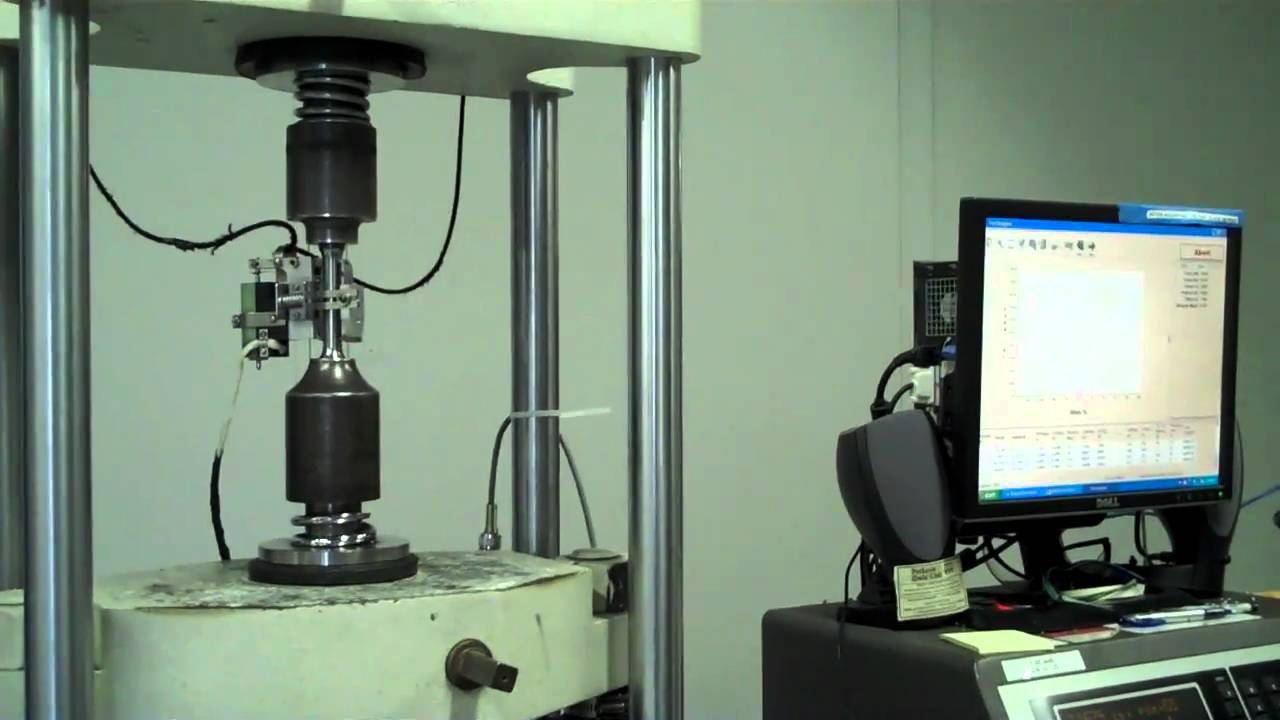
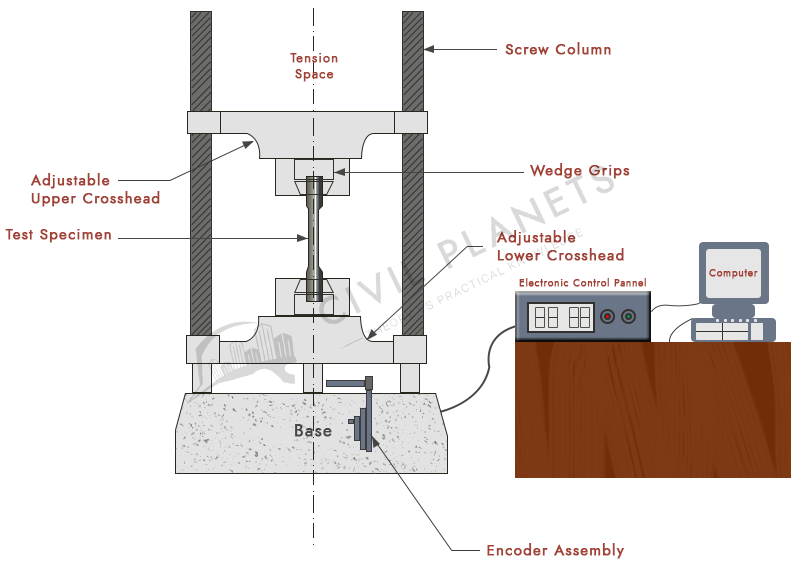
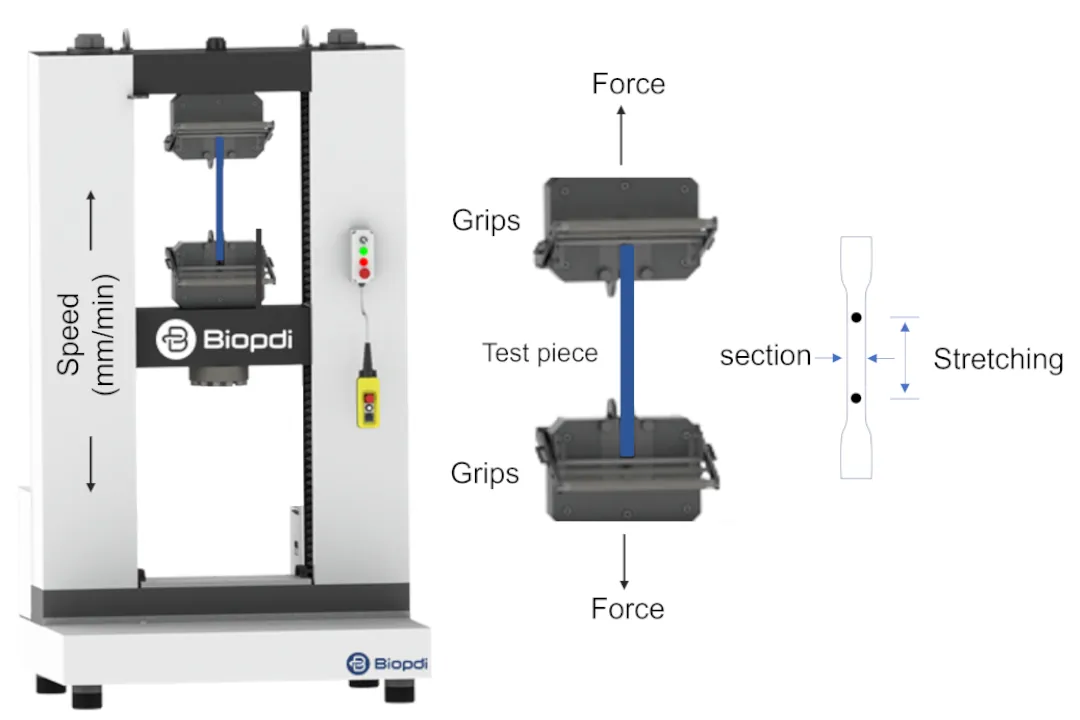
Ever wondered how engineers ensure that bridge doesn't buckle or that car frame can withstand a fender-bender? The answer, in part, lies in a fascinating process called a tensile test. It might sound intimidatingly technical, but it's fundamentally about stretching something until it breaks – and learning a whole lot in the process! While it's a cornerstone of engineering, the underlying principles can be incredibly insightful and even creatively inspiring for artists, hobbyists, and anyone curious about the properties of materials.
So, how can understanding a tensile test benefit someone who isn't an engineer? Think about it: as artists, makers, and even just curious individuals, we're constantly working with materials. Knowing how different materials respond to stress – how much they can stretch, how much force they can withstand before deforming, and ultimately, breaking – provides a deeper understanding of their capabilities. Imagine a sculptor choosing between different types of metal for a delicate, gravity-defying piece. A basic understanding of tensile strength can inform their choice, ensuring the sculpture will hold its form over time. Similarly, a jewelry maker selecting wire needs to know its ductility to create intricate designs without snapping it. For casual learners, appreciating the science behind everyday materials builds a deeper connection with the world around us. The principles learned from a tensile test help you understand the why behind material choices.
Let's look at some concrete examples. Consider different metal alloys. Steel, known for its high tensile strength, is commonly used in construction and manufacturing. Aluminum, while lighter and more malleable, has lower tensile strength and is more often used where weight is a key factor. A copper wire stretches significantly before breaking, making it ideal for electrical applications. The subtle differences in these metals, often revealed through tensile testing, allow engineers and designers to make informed decisions. Think of the sleek curves of a modern car, reliant on alloys with precise tensile properties for both safety and aesthetics. Or the intricate filigree of a vintage iron gate, showcasing the skill in manipulating a relatively strong but somewhat brittle material.
Must Read
While replicating a fully controlled tensile test at home is challenging (and requires specialized equipment!), you can explore the principles with simpler experiments. For instance, compare the elasticity of different types of rubber bands by stretching them and measuring how far they extend before breaking. Or, try stretching different types of string (cotton, nylon, polyester) and see which one holds the most weight. You can even compare the flexibility of different types of clay before and after firing. Remember to always prioritize safety – wear eye protection and be mindful of potential snapping or breaking points. Record your observations and compare the results to infer which material possesses the greatest tensile strength in your limited experiment.
Why is understanding tensile testing so enjoyable? Because it pulls back the curtain on the hidden properties of the materials we use every day. It provides a tangible connection between abstract scientific principles and the physical world. It's about more than just breaking something; it's about understanding how things work, why they break, and how we can use that knowledge to create, innovate, and appreciate the amazing materials that surround us.