A Process By Which Two Pieces Of Metal Are Joined
Ever wondered how bridges stay together? Or how your bicycle frame can withstand all those bumps and jumps? A lot of it comes down to clever engineering, sure, but a fundamental part is the ability to join pieces of metal together permanently. There are lots of ways to do it, but let's explore one particularly fascinating and versatile method: brazing. It's a process that might sound intimidating, but understanding the basics can give you a whole new appreciation for the metal objects that surround us.
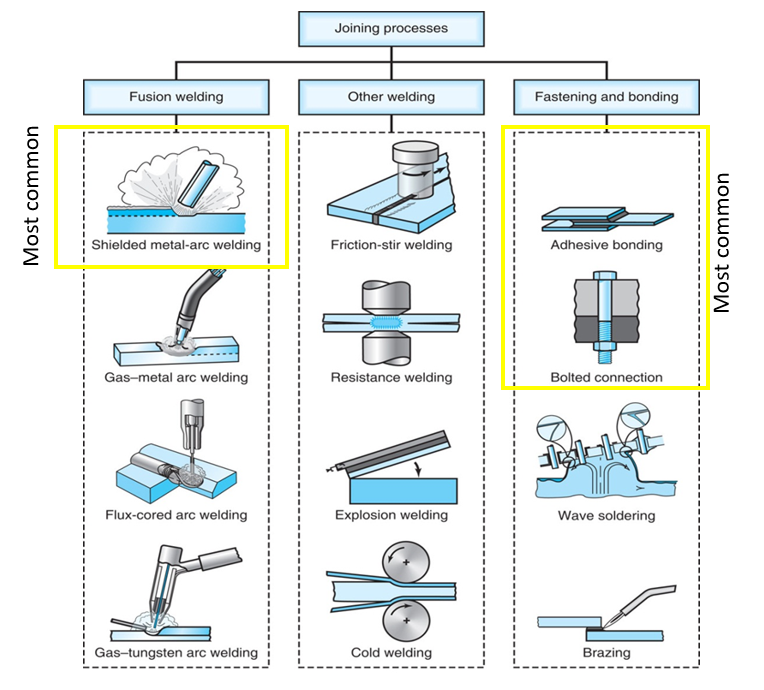
So, what exactly is brazing? Simply put, it's a way of joining two metal pieces using a filler metal that has a lower melting point than the metals being joined. Think of it like a sophisticated, metal-based glue. The two pieces being joined – the base metals – aren't melted. Instead, the brazing filler metal is heated and flows into the gap between them through capillary action. This is where the magic happens: the molten filler metal wets the surfaces of the base metals, and as it cools, it creates a strong, metallurgical bond. It's similar to soldering, but brazing uses higher temperatures and results in a stronger joint.
Why choose brazing? Well, it offers a bunch of advantages. First, it can join dissimilar metals, which is something that welding often struggles with. Imagine connecting copper pipes to steel; brazing can handle that! Second, it minimizes distortion of the base metals because they aren’t melted. This is crucial when working with delicate or precision components. Third, brazing can create very strong and leak-tight joints, making it ideal for applications like plumbing, heat exchangers, and even aerospace components.
Must Read
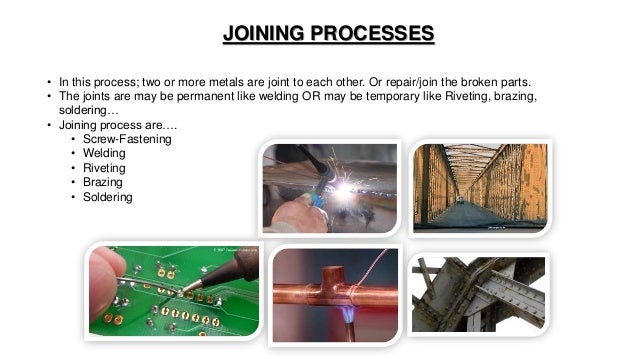
Brazing isn't just confined to industrial settings. Think about your school’s metal shop. Brazing is often used to teach students about metalworking techniques and the properties of different materials. It's a relatively safe and accessible way to learn about joining metals. In daily life, you might encounter brazed joints in the construction of bicycles, air conditioning units, and even some jewelry. The intricate designs you see in some metal sculptures are often made possible by brazing individual pieces together.
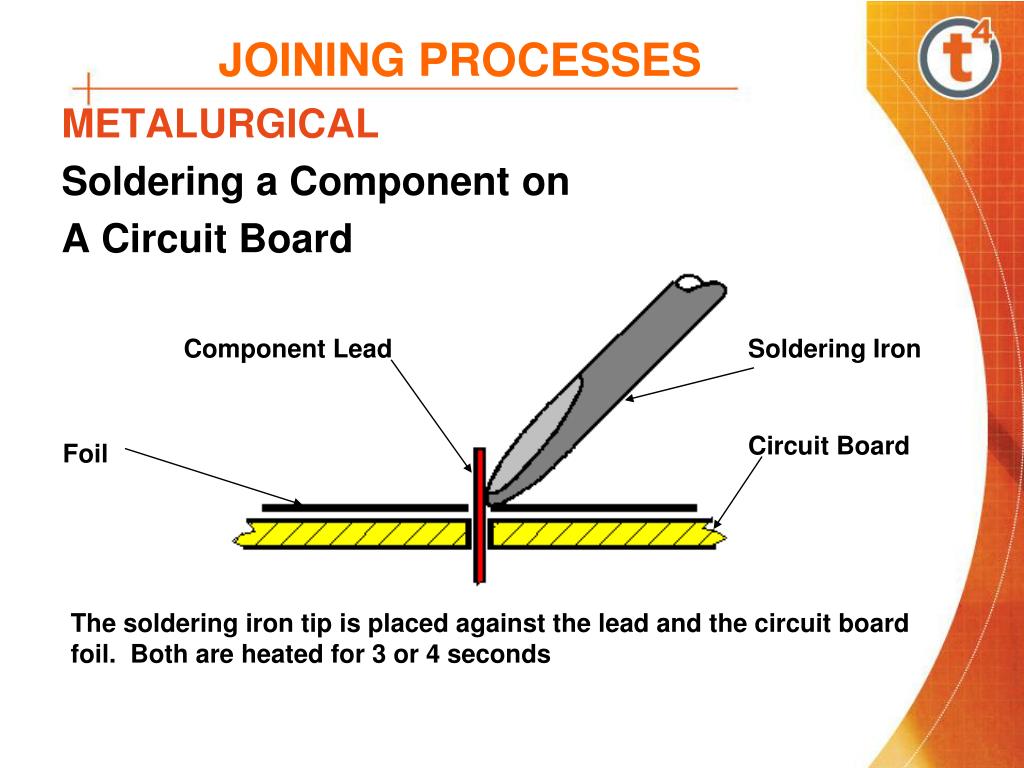
Want to explore brazing further? While setting up a full-blown brazing station at home isn't recommended without proper training and safety equipment, there are still ways to satisfy your curiosity. Start by researching the different types of brazing filler metals – they all have different properties and applications. Watch videos online to see the process in action. You might even find a local community workshop or makerspace that offers introductory courses on metalworking. If you're feeling particularly adventurous (and have the necessary safety precautions), you could try a small-scale soldering project, which shares some similarities with brazing, to get a feel for working with molten metals. Remember to always prioritize safety and consult with experienced metalworkers before attempting any projects. The world of metal joining is vast and fascinating, and brazing is just one compelling piece of the puzzle!