
A Path That An Electric Current Follows Is A
Ever wondered what makes your phone buzz, your lights shine, or your toaster toast? It all boils down to a simple, yet incredibly powerful concept: the path that an electric current follows! Sounds a bit dry, doesn't it? But trust me, understanding this unlocks a whole world of possibilities. We're talking about the magic behind modern life, folks! And it's way more approachable than you might think. So, buckle up, and let's dive in!
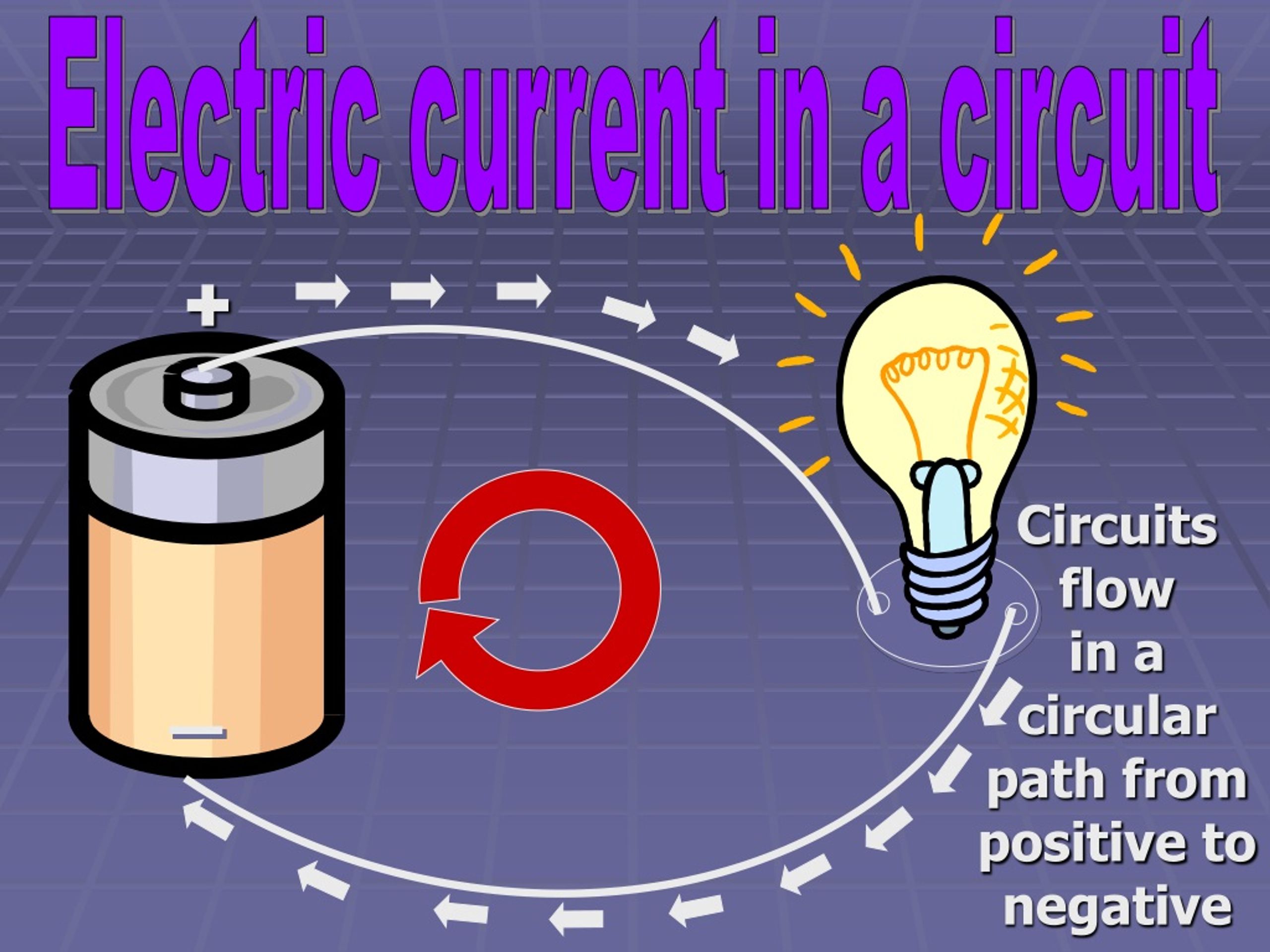
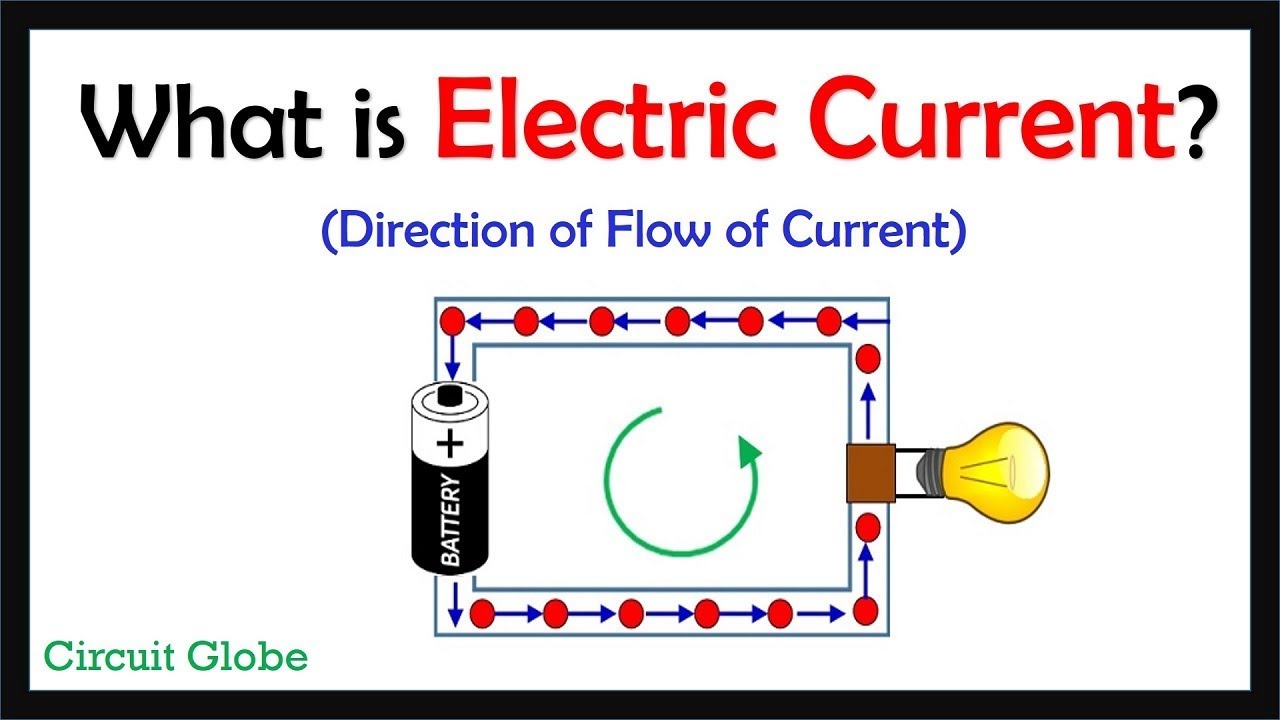
What exactly is this path, you ask? Well, think of it like a superhighway for electrons. These tiny particles are the workhorses of electricity, and they need a clear route to get from point A to point B. This route, this superhighway, is what we call a circuit. A circuit is a complete, closed loop that allows electrons to flow continuously. No loop, no flow! It's that simple (well, mostly!).
Imagine trying to drive across town, but someone forgot to build the last bridge. You're stuck, right? Same with electrons! A break in the circuit – an open switch, a blown fuse, a cut wire – stops the flow of electrons dead in its tracks. No power, no party!
Must Read
The Key Ingredients of a Circuit
Okay, so we know we need a complete loop. But what else is involved? Let's look at the key players:
- The Power Source: This is where the energy comes from. Think batteries, wall outlets, solar panels – anything that pushes those electrons into motion. It's like the engine of our electric car!
- The Conducting Path: This is the road itself, usually made of metal wires. Copper is a popular choice because it's a great conductor, meaning electrons can zoom through it with minimal resistance. Think of it as a smooth, freshly paved highway!
- The Load: This is what uses the electricity. A light bulb, a motor, a heating element – anything that converts electrical energy into another form of energy (light, motion, heat, etc.). This is the destination, the reason for the whole journey!
- The Switch (Optional, But Often Essential!): This is the control center. It allows us to open and close the circuit, turning the power on and off as needed. It's like the on/off ramp to our electric highway.
See? Nothing too complicated! It's just a matter of connecting these elements in the right way.
Why Should You Care?
Great question! Why spend time thinking about circuits? Well, for starters, understanding how circuits work empowers you. It gives you a peek behind the curtain of the technology that surrounds you. Ever wonder how to fix a flickering light or troubleshoot a simple electronic gadget? Knowing the basics of circuits can be a huge help.
Plus, it's just plain fun! Seriously! Tinkering with circuits can be incredibly rewarding. Building your own simple circuits is like playing with LEGOs for grown-ups (or kids, of course!). You can create your own inventions, experiment with different components, and learn by doing.
And who knows? Maybe you'll even invent the next big thing! The possibilities are endless when you understand the fundamental principles of electricity. Think about it: everything from smartphones to electric cars relies on these basic circuits.
Here's a little thought experiment: Imagine a world without understanding electrical circuits. No lights after dark, no computers, no internet, no… well, pretty much nothing! It's a world we'd rather not live in, right? That's the power of understanding this fundamental concept. It's the key to unlocking a brighter, more connected future.
Beyond the Basics: Series and Parallel Circuits
Now, let's get a little fancier. Circuits can be arranged in different ways, most commonly in series or parallel.
In a series circuit, the components are connected one after the other, like beads on a string. The same current flows through each component. If one component fails, the entire circuit breaks. Think of those old-fashioned Christmas lights where if one bulb blew, the whole strand went dark! (Annoying, right?)

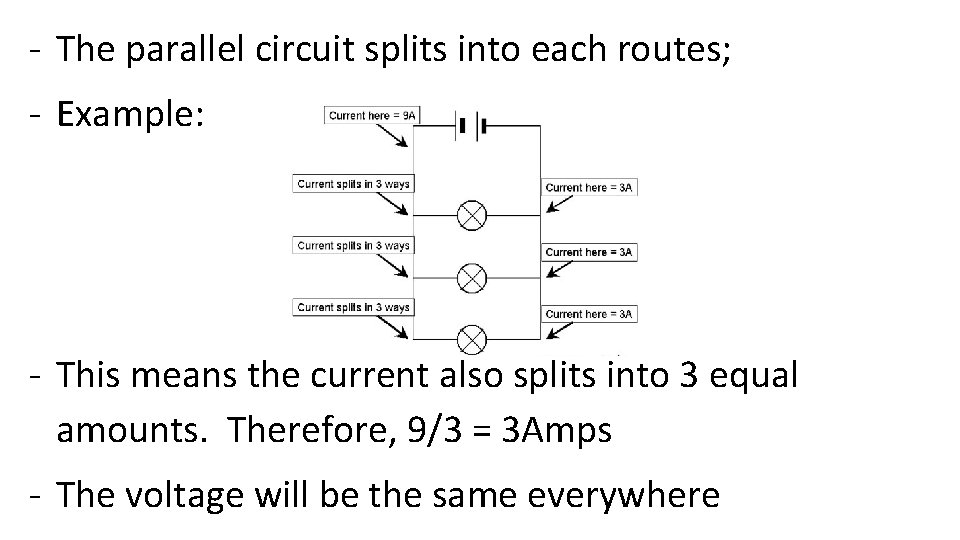
In a parallel circuit, the components are connected side-by-side, providing multiple paths for the current to flow. If one component fails, the others keep working. This is how most modern electrical systems are wired. It's much more reliable and convenient!
Choosing between series and parallel depends on the specific application. Series circuits are often used when you need to control the current through all components equally, while parallel circuits are preferred when you need individual components to operate independently.
So, there you have it! A whirlwind tour of the fascinating world of electrical circuits. We've covered the basics: what a circuit is, what its key components are, why it matters, and even touched on series and parallel configurations.
Hopefully, this has sparked your curiosity and inspired you to learn more. Don't be intimidated! Electricity might seem mysterious at first, but with a little effort, you can unlock its secrets and harness its power. There are tons of resources available online and in libraries – from beginner-friendly tutorials to more advanced textbooks.
The world of electronics is constantly evolving, with new and exciting technologies emerging all the time. By understanding the fundamentals of circuits, you'll be well-equipped to keep up with these advancements and even contribute to them yourself!
So go out there, explore, experiment, and have fun! Who knows? Maybe you'll be the one to invent the next groundbreaking technology that changes the world. The future is electric, and it's waiting for you to plug in!