A Passive Solar Home With Direct Solar Gain Requires
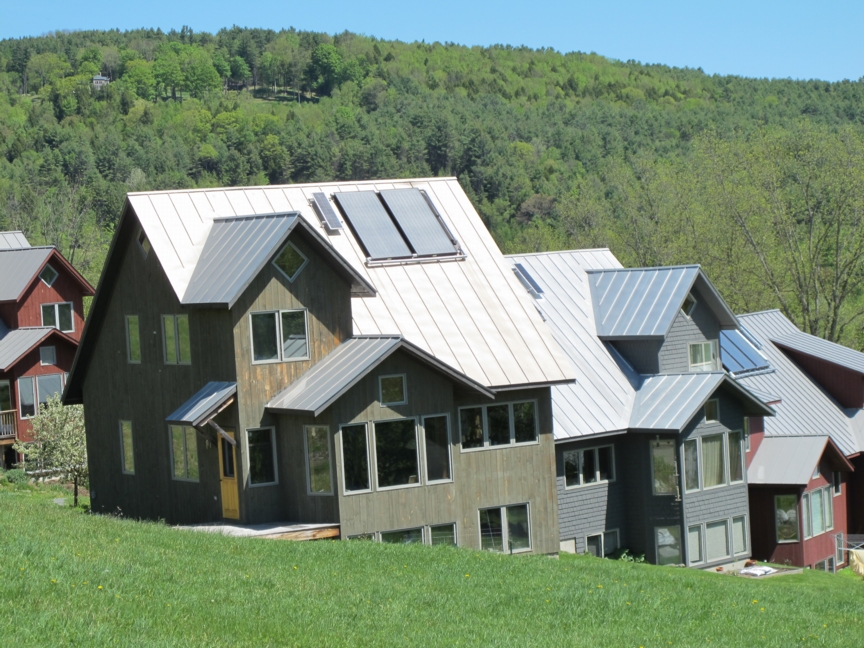
Ever wonder how some houses seem to stay warmer in the winter without cranking up the heat, or cooler in the summer without blasting the AC? It's often thanks to clever design, specifically, passive solar design! And one of the most straightforward and effective ways to harness the sun's energy is through something called direct solar gain. It sounds technical, but it's actually pretty simple and understanding it can save you money, make your home more comfortable, and even boost its resale value. Who wouldn't want that?
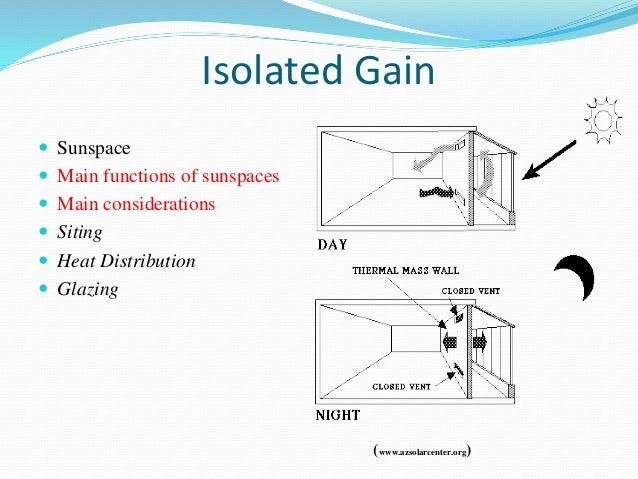
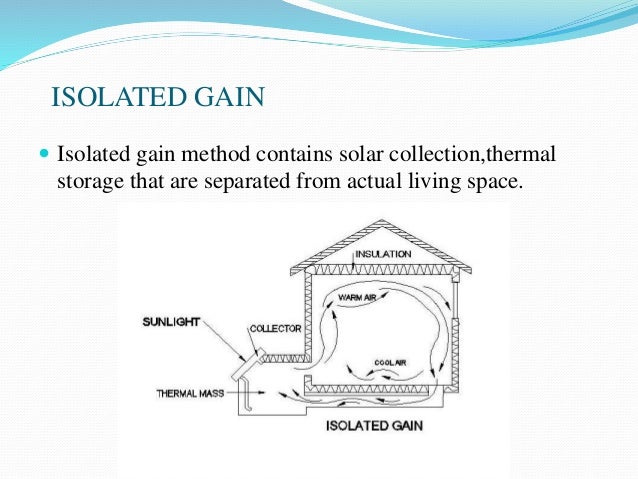
So, what exactly does a passive solar home with direct solar gain require? At its core, it's about strategically using sunlight to heat your home directly. Think of it like this: large, south-facing windows act as collectors, allowing sunlight to stream into your living space and warm up the materials inside. These materials, like concrete floors, brick walls, or even strategically placed water-filled containers, act as thermal mass, absorbing and storing the sun's heat during the day and releasing it slowly at night when the temperature drops.
For beginners, the key takeaway is that direct solar gain is about working with the sun, not against it. It’s about smart window placement and choosing the right materials. For families, this translates to lower energy bills and a more comfortable home environment. Imagine kids playing in a naturally warm and bright living room in the dead of winter! For hobbyists and DIY enthusiasts, direct solar gain presents a fun challenge. You can experiment with different materials for thermal mass, explore shading solutions to prevent overheating in the summer, and even integrate solar gain principles into existing structures with relatively simple modifications.
Must Read
Examples and Variations: The most common example is a house with large, south-facing windows. However, the specifics can vary greatly. In colder climates, you might see thicker walls made of concrete or brick to maximize thermal mass. In warmer climates, overhangs or awnings are crucial for shading the windows during the hottest part of the year. Another variation involves using Trombe walls – massive, dark-colored walls placed behind glass. The sun heats the wall, which then radiates heat into the room over time.
Simple, Practical Tips for Getting Started:
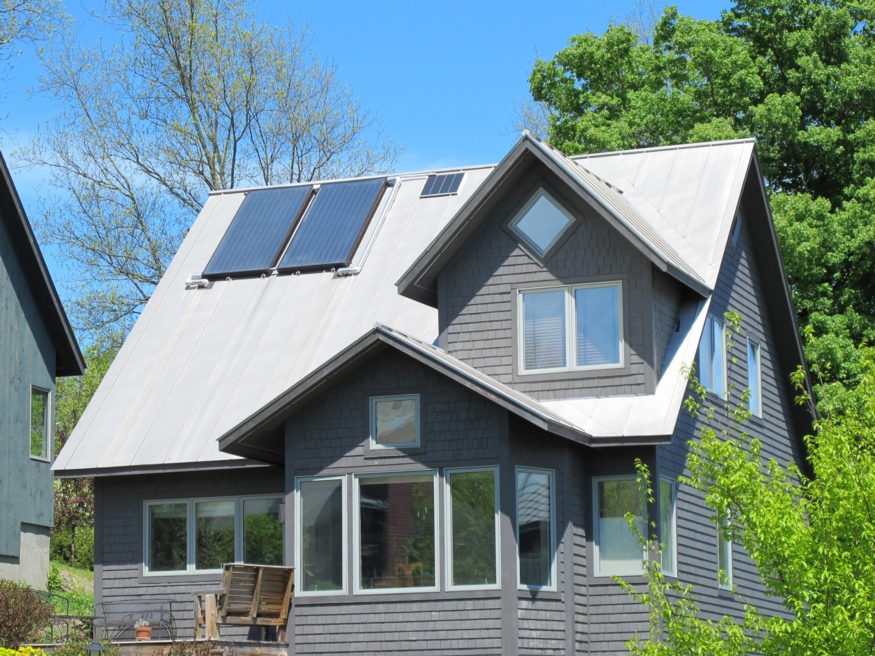
- Assess your home's orientation: Which direction do your windows face? South-facing windows are ideal for direct solar gain in the Northern Hemisphere.
- Consider window treatments: Insulated curtains or blinds can help retain heat at night and block unwanted sunlight in the summer.
- Think about thermal mass: Are there ways to incorporate more thermal mass into your living space, such as adding a brick wall or concrete flooring?
- Plant deciduous trees: Deciduous trees provide shade in the summer and allow sunlight to reach your windows in the winter when they lose their leaves.
- Start small: Even minor changes, like adding heavier drapes to south-facing windows, can make a noticeable difference.
Implementing direct solar gain is not just about saving money; it's about creating a more comfortable, sustainable, and enjoyable living space. By harnessing the power of the sun, you can create a home that is both energy-efficient and connected to the natural world. So, take some time to consider how you can incorporate these principles into your home and start reaping the benefits of passive solar design. The possibilities are as bright as the sun itself!