A Links An Electric Meter To A Local Utility
Let's be honest, few things in life are as exhilarating as… paying your electric bill. Okay, maybe not. But think about it: that bill represents the power that lights up your home, keeps your food cold, and allows you to binge-watch your favorite shows until 3 AM. It’s all thanks to a crucial, yet often overlooked, connection: linking your electric meter to your local utility.
We rarely think about it, but this seemingly mundane connection is the bedrock of modern life. Without it, we'd be back to candles and iceboxes. The purpose of this link is straightforward: to allow the utility company to accurately measure how much electricity you're using, so they can bill you accordingly. But the benefits extend far beyond just getting a bill. This system ensures a reliable and consistent power supply to your home, enabling everything from charging your phone to running your entire home entertainment system.
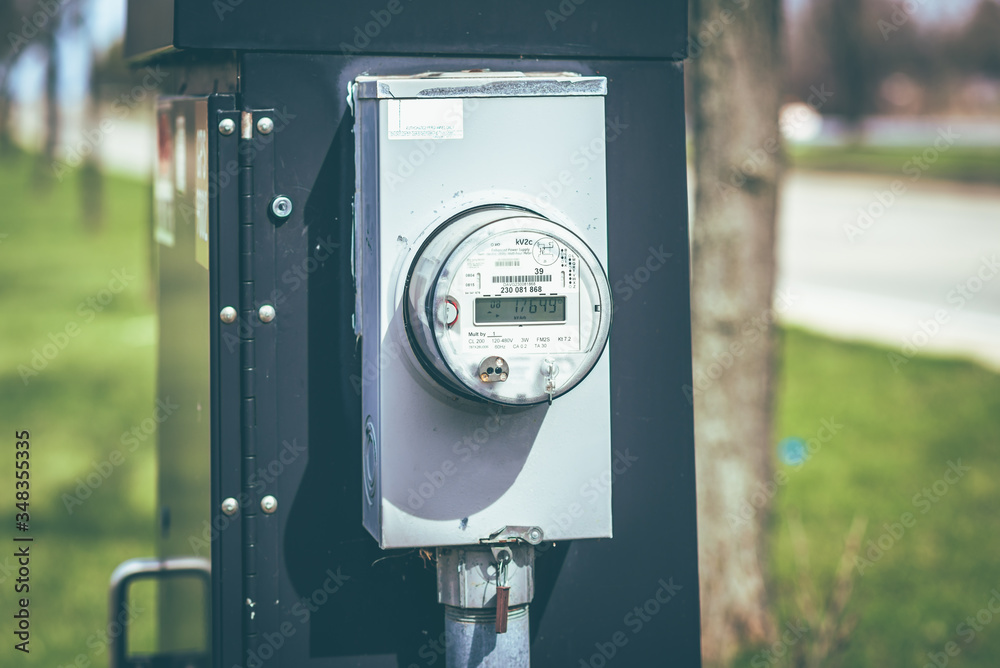
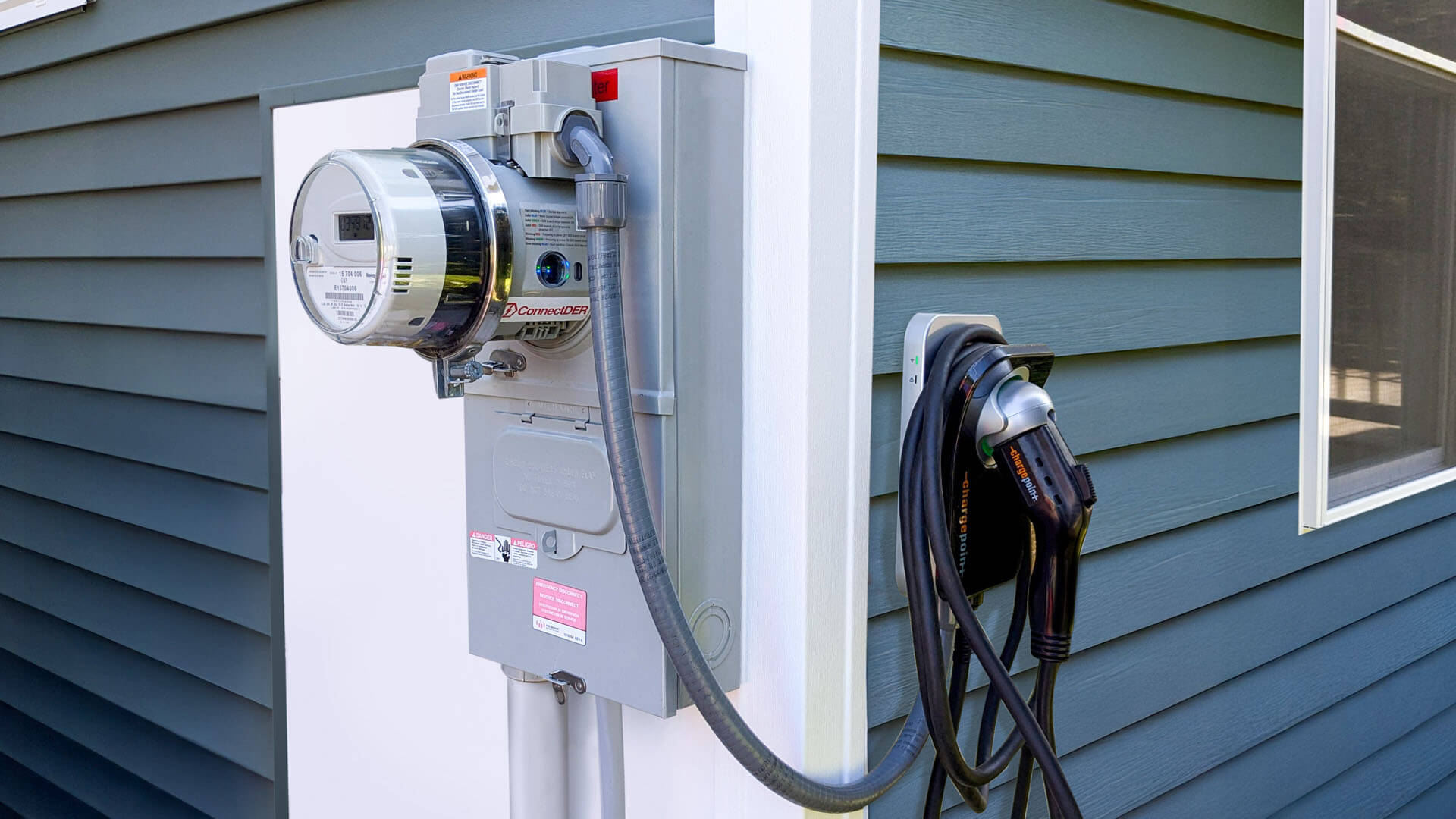
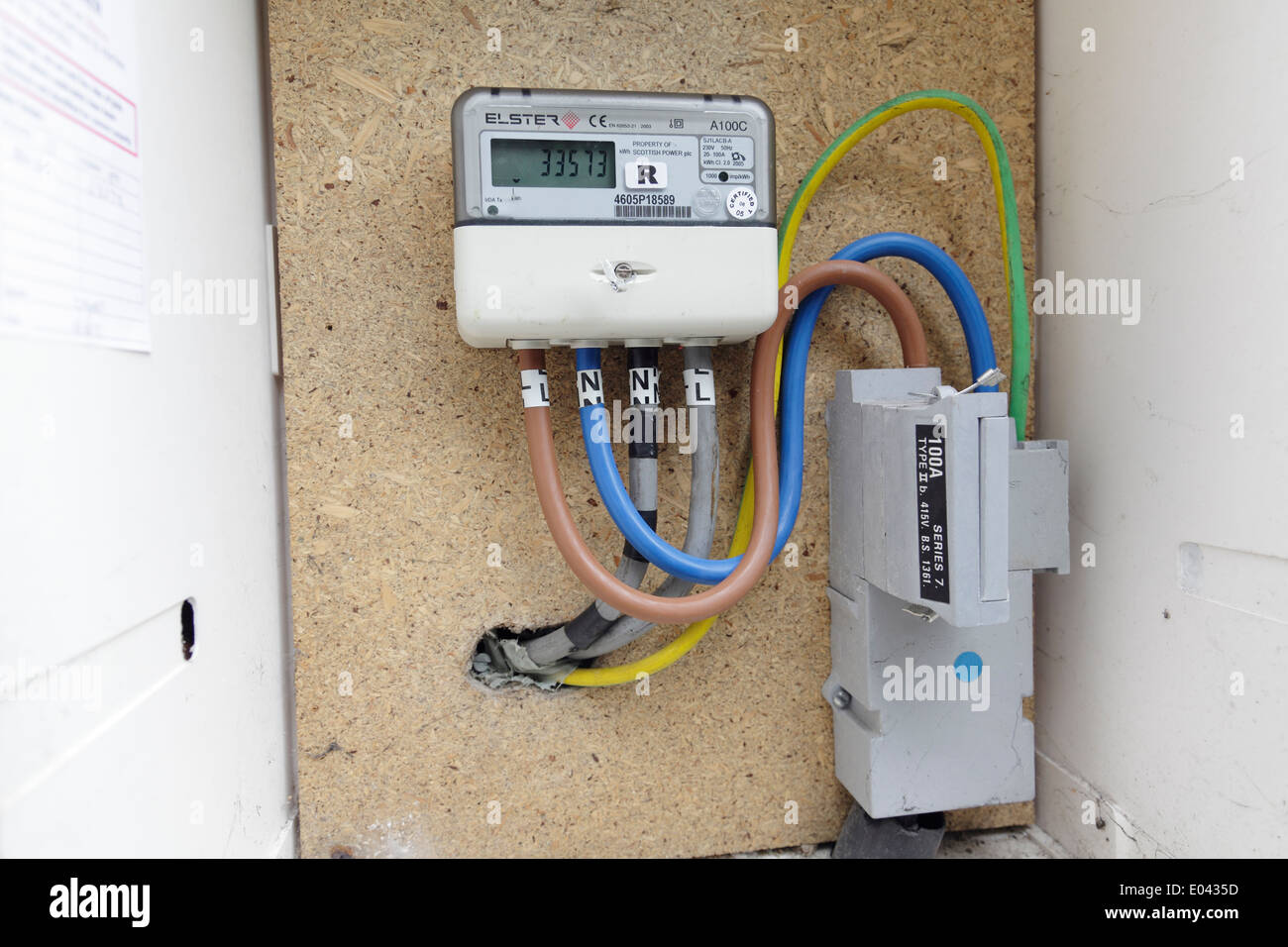
Common examples of this connection are everywhere. From the traditional analog meters, with their spinning dials, to the newer, digital ‘smart’ meters, each one is a gateway between your home and the utility's grid. You’ll find them on the side of your house, in your basement, or even outside on a pole. These meters constantly record your electricity usage, transmitting that data (in the case of smart meters) back to the utility company. Think about the convenience: you flip a switch, and the lights come on. That's the power of a well-functioning electric grid, accurately monitored thanks to that vital link.
Must Read
So, how can you appreciate (or at least understand) this connection more effectively? While you can't exactly "enjoy" it, you can certainly make the most of it. Here are a few practical tips:
- Understand Your Meter: Take a look at your electric meter. Knowing where it is and understanding how to read it (especially if it's an older analog model) can help you track your energy consumption. Some utilities even offer online dashboards to monitor your usage in near real-time.
- Conserve Energy: The less electricity you use, the lower your bill will be. Simple things like switching to LED bulbs, unplugging electronics when not in use, and using energy-efficient appliances can make a big difference.
- Consider Time-of-Use Rates: Many utility companies offer time-of-use rates, where electricity is cheaper during off-peak hours. If you can shift your energy usage to these times (e.g., doing laundry or running the dishwasher at night), you can save money.
- Monitor Your Bill: Regularly review your electric bill and compare it to previous months. Look for any unusual spikes in usage that could indicate a problem, such as a faulty appliance.
- Contact Your Utility: If you have any questions about your meter, your bill, or your energy usage, don't hesitate to contact your local utility company. They can provide valuable information and assistance.
In conclusion, while connecting your electric meter to the local utility might not be the most glamorous topic, it's an essential aspect of modern life. By understanding the connection and taking steps to manage your energy consumption, you can not only save money but also appreciate the convenience and reliability that this vital link provides. So, next time you flip a switch and the lights come on, take a moment to appreciate the power of that connection!