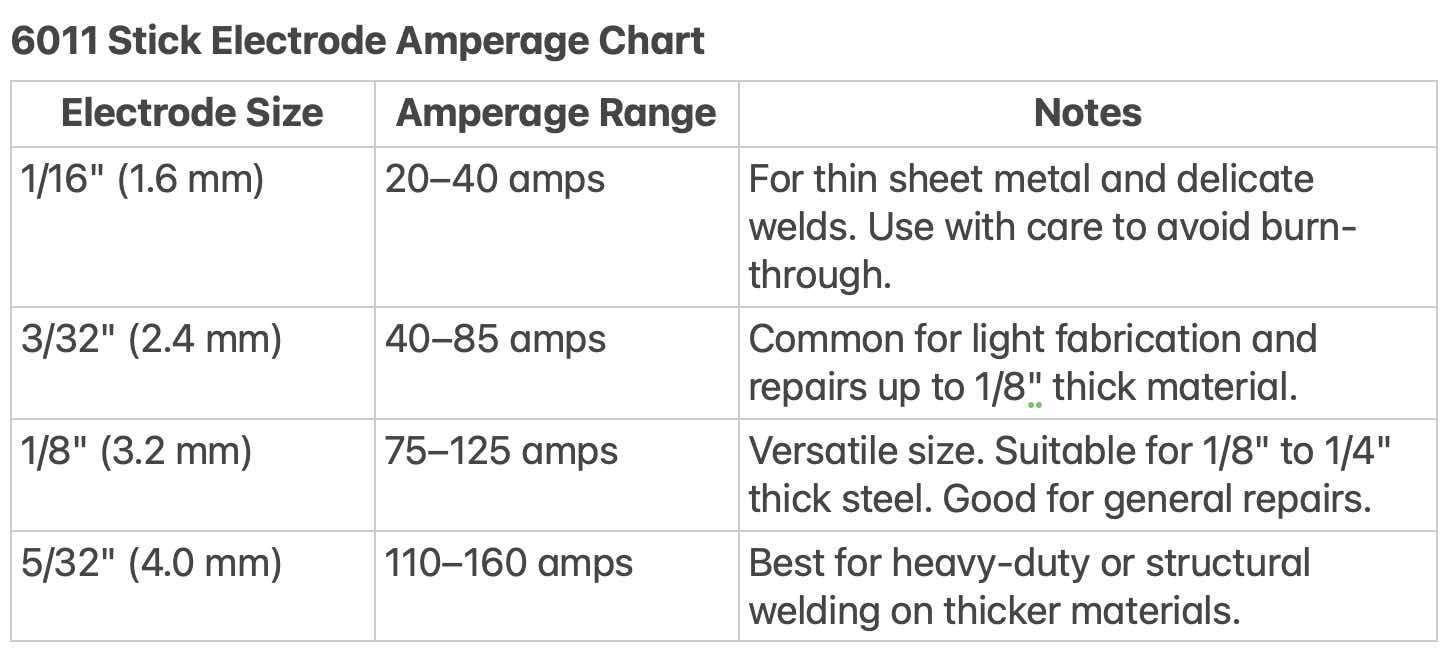
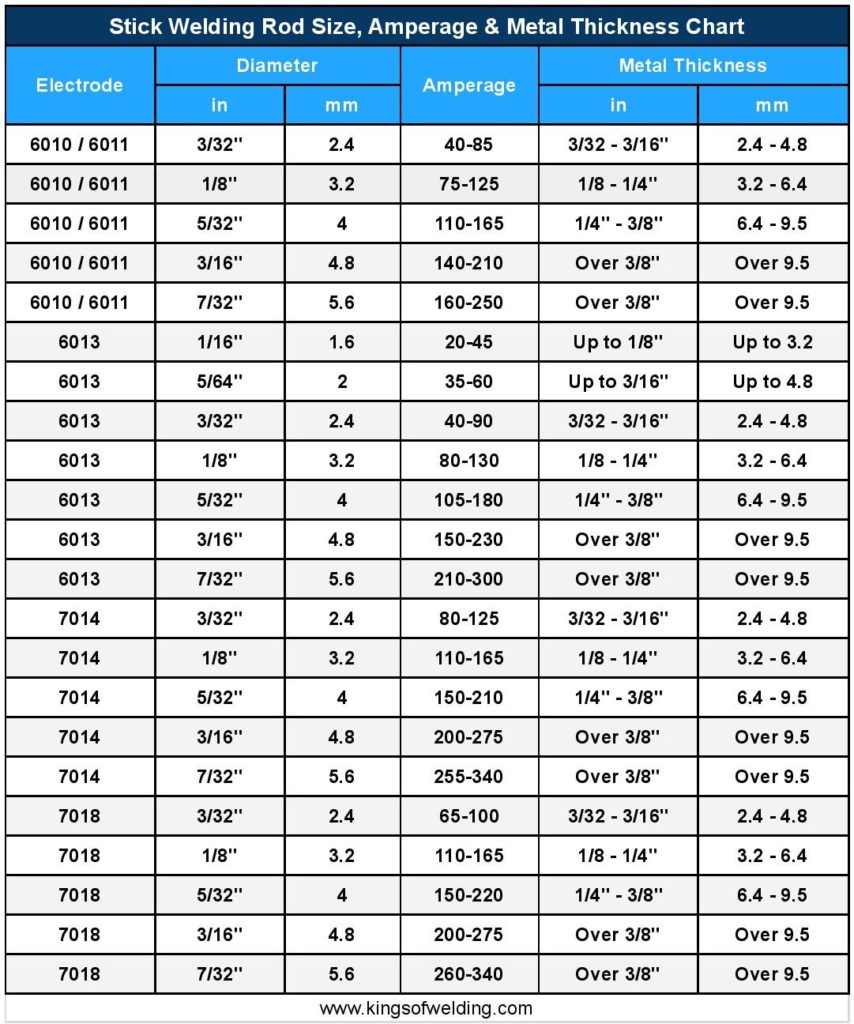
6011 1/8 Welding Rod Amperage
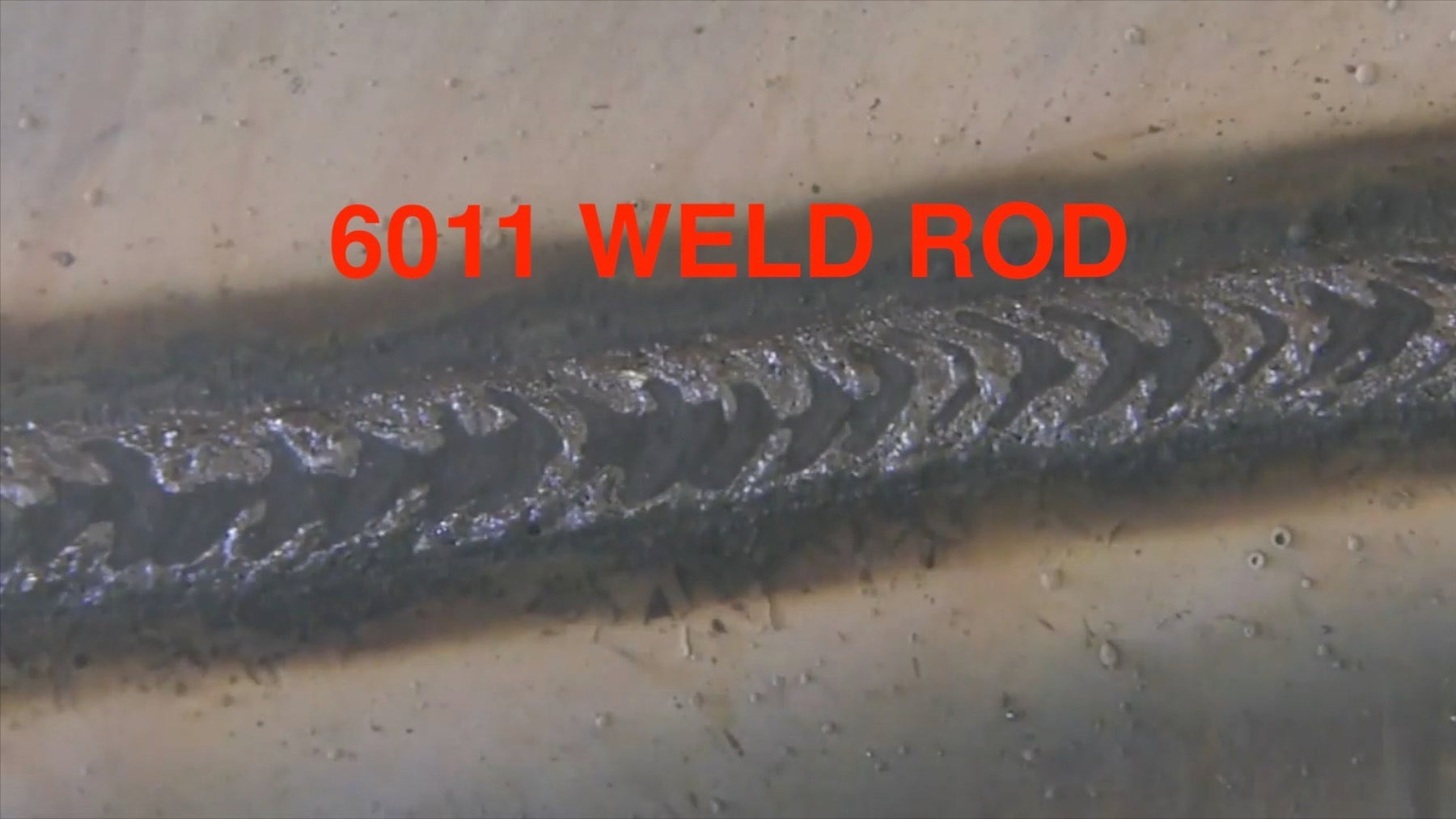
There's something uniquely satisfying about the hiss and crackle of a welding arc, the shower of sparks, and the transformation of raw metal into something strong, useful, or even beautiful. Whether you're a seasoned fabricator or a weekend warrior with a DIY dream, the act of joining metal brings a tangible sense of accomplishment. It's about more than just melting two pieces together; it's about creating, fixing, and giving new life to things that might otherwise be discarded.
Welding isn't just for industrial giants; it's a practical skill that trickles down into countless aspects of our daily lives. Think about it: that sturdy garden gate you built, the exhaust pipe you patched up on your old pickup, or the custom BBQ pit that's the envy of your neighborhood. From repairing farm equipment that keeps our food supply moving to crafting unique metal art that brightens a home, welding provides the bedrock for so much of our modern world. It empowers us to fix what's broken, to customize what's standard, and to build from scratch with our own hands, often saving significant money and fostering a deep sense of self-reliance.
Among the vast array of welding electrodes, the 6011 rod holds a special place, especially the common 1/8-inch variety. This workhorse is celebrated for its incredible versatility and its ability to punch through rust, paint, and grime – making it a favorite for repairs in less-than-ideal conditions. Need to fix a rusty fence post? Patch a mower deck? Repair a farm implement in the field? The 6011 1/8 is your go-to. Its deep penetration capabilities and fast-freezing slag mean it's excellent for all positions, particularly vertical-down, and it works wonderfully on both AC and DC welders. It's the resilient friend that doesn't mind getting its hands dirty.
Must Read
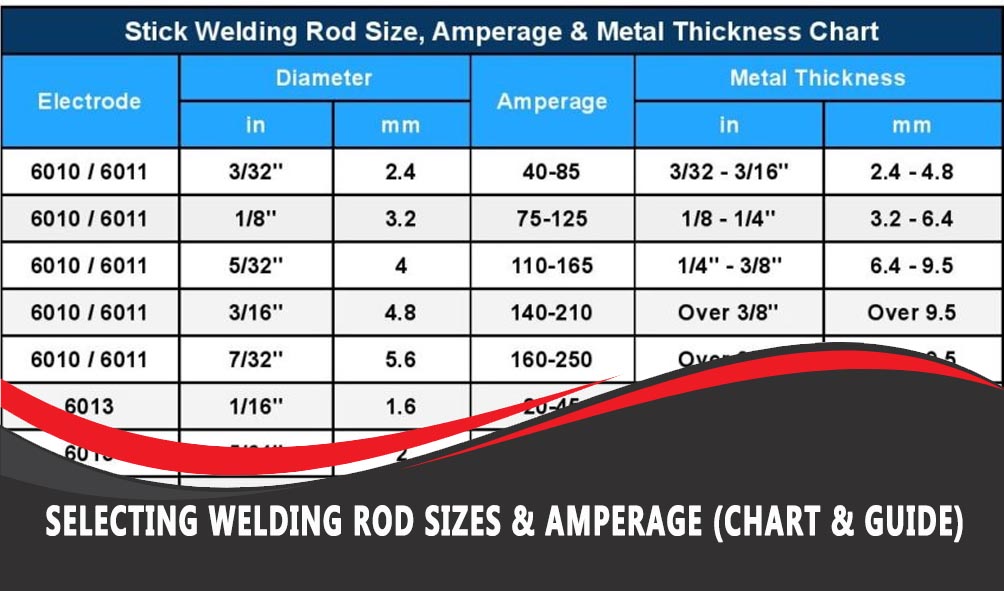
To truly master the 6011 1/8 and enjoy its full potential, understanding amperage is absolutely key. Think of amperage as the engine's RPMs for your weld; it dictates the heat and penetration. For a 1/8-inch 6011 rod, you'll generally be operating in the sweet spot of 75 to 125 amps. Starting around 100 amps is a great baseline. If your rod keeps sticking and your arc sputters, your amperage is likely too low, resulting in poor penetration and a lumpy, cold weld. Crank it up a bit.
On the flip side, if you're burning through your material, creating excessive spatter, or digging a trench instead of laying a bead, your amperage is probably too high. This can lead to undercut, porosity, and weakened joints. The goal is a steady, crisp crackle, a smooth puddle that wets out nicely, and consistent penetration. Always test on a piece of scrap metal of similar thickness before diving into your project. Experiment within that 75-125 amp range, adjusting for material thickness, joint type, and your personal arc length. Some welders even have an "arc force" or "dig" setting, which can give you a little extra oomph to push through contaminants, making the 6011 even more forgiving. Learning to read your puddle and listen to your arc is a skill that comes with practice, and once you find that ideal amperage, your welding projects will transform from frustrating attempts to satisfying creations.