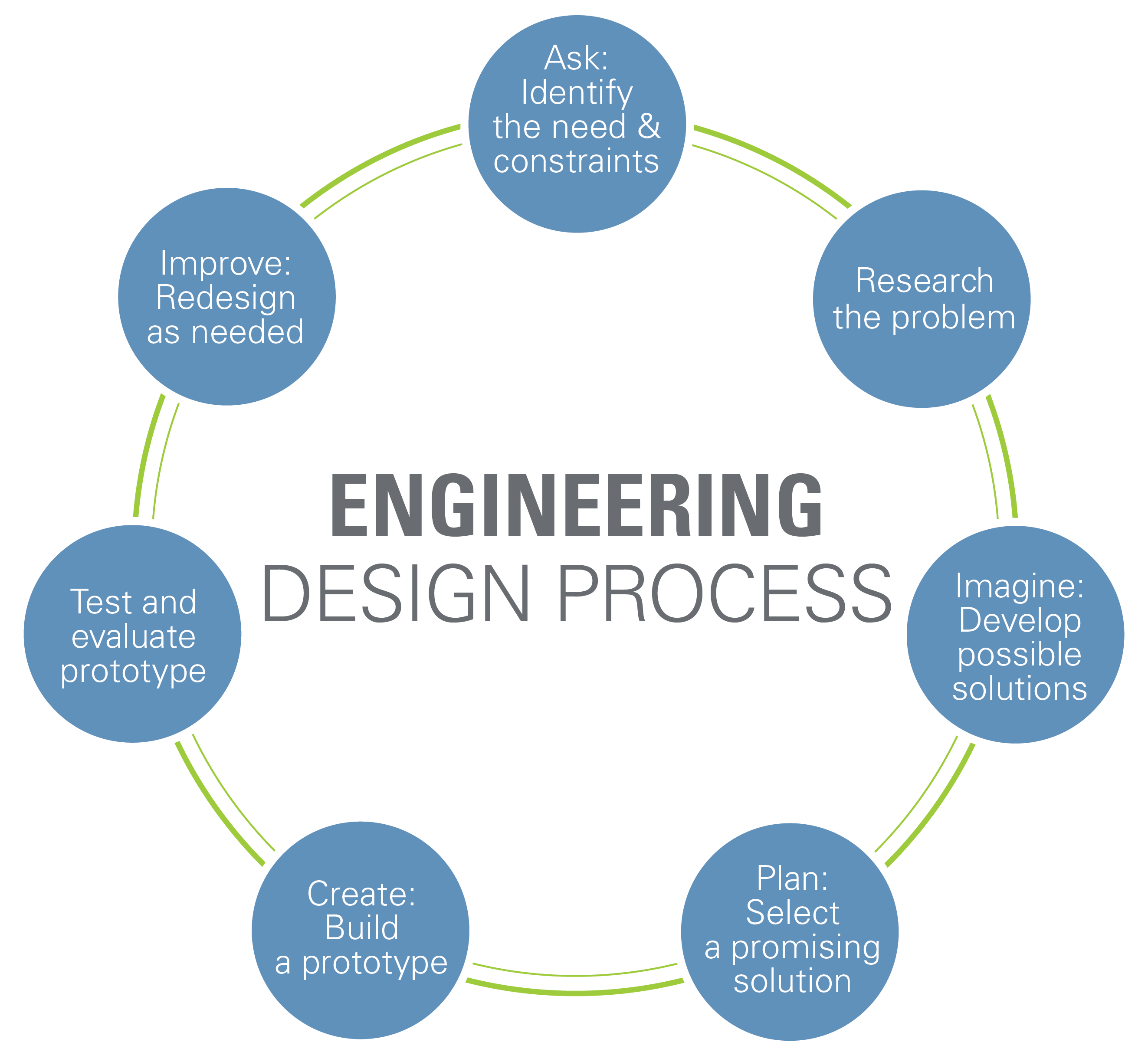
6 Steps Of The Design Process

Ever feel like you have a brilliant idea, but getting it from your head into reality feels a bit like herding cats? Whether you're dreaming of a backyard veggie patch, tackling that daunting closet clean-out, or even just planning a killer birthday party, there's a secret superpower that can make it all smoother: the design process. Don't worry, it's not just for architects or app developers! It's a fun, surprisingly simple roadmap that can transform any big idea into manageable steps, making your creative journey much less stressful and a whole lot more rewarding.
Think of it as your personal project planner. For beginners, it's a gentle guide to kickstart that first DIY project without feeling overwhelmed. It gives you a clear path, so you're not just guessing your way through. Families can use it to turn household challenges into fun, collaborative projects – imagine designing the ultimate pillow fort or planning a dream family vacation together! It teaches valuable problem-solving skills and teamwork. And for dedicated hobbyists, this process can elevate your crafts, be it knitting, woodworking, or painting, helping you refine your vision and avoid costly mistakes, leading to truly satisfying creations.
So, what are these magical 6 steps? Let's take a peek through an everyday lens:
Must Read
-
Understand (Empathize): First, really dig into the need. What's the problem? Who is this for? Example: "My home office is a chaotic mess, and I can't focus!"
-
Define: Clearly state the goal. What exactly are you trying to achieve? What are the constraints? Example: "I need an organized, inspiring workspace for remote work, using existing furniture where possible, on a budget of $100."
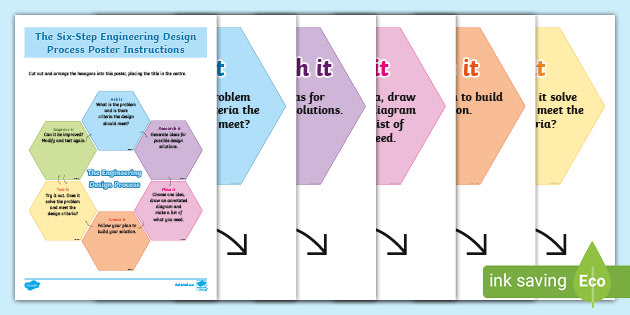
The 6-Step Engineering Design Process Poster | CfE Resources -
Ideate: Brainstorm! Come up with as many solutions as possible, no matter how wild. Don't censor yourself. Example: "New shelves? Desk organizers? Wall-mounted storage? Declutter completely? A standing desk?"
-
Prototype: Create a rough, low-cost version of your best ideas. It doesn't have to be perfect. Example: "Draw different desk layouts, move current furniture around to see how it feels, sketch ideas for shelving."
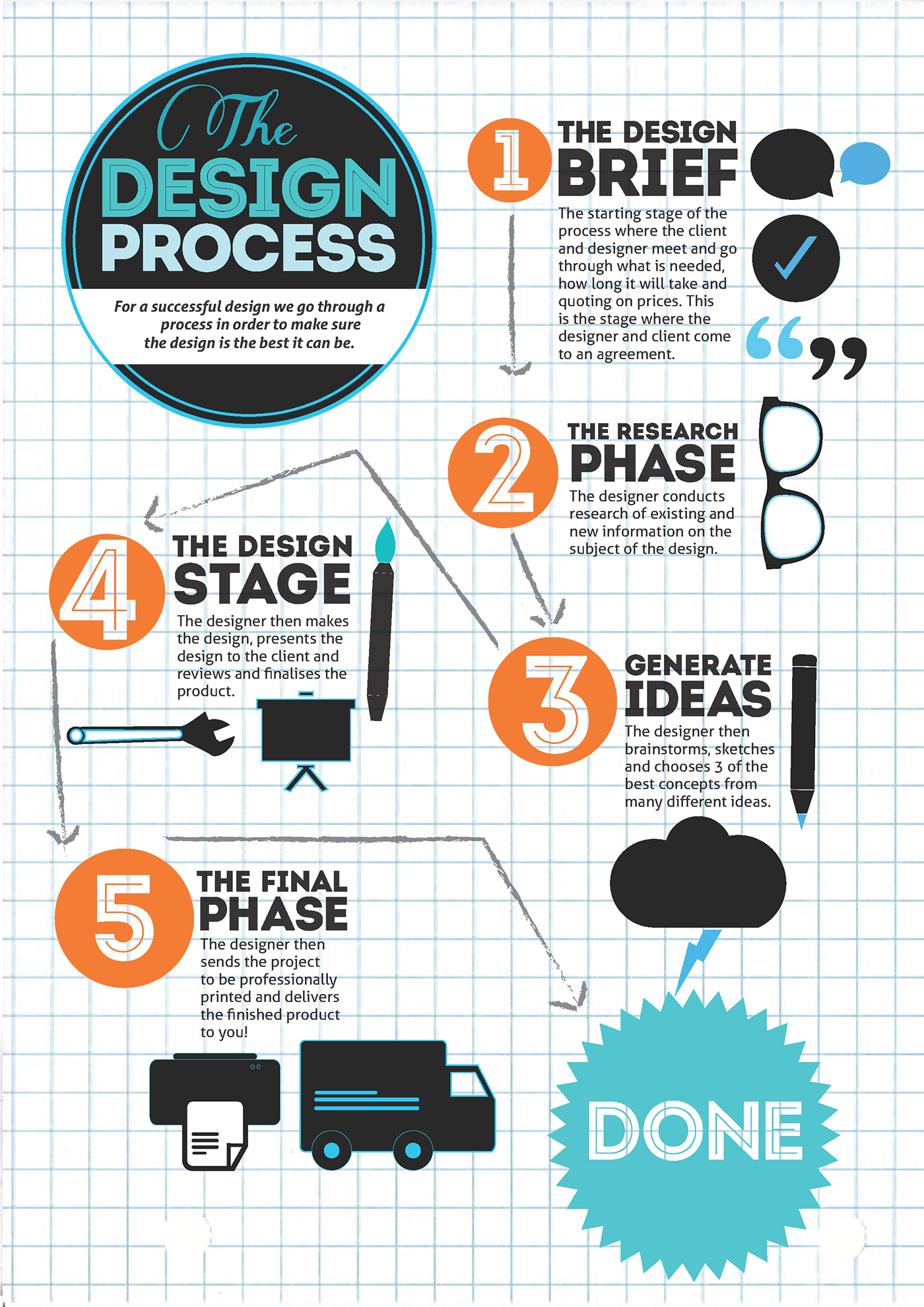
6 Steps Of The Design Process In Order - Design Talk -
Test: Try out your prototype! See what works and what doesn't. Get feedback if possible. Example: "Work in the new layout for a day. Does it feel better? Is everything accessible? Where are the new clutter hotspots?"
-
Implement & Iterate: Make your chosen solution a reality. If it's not quite right, go back to an earlier step, refine, and try again! Design is rarely a straight line. Example: "Buy the specific organizers, set up the new layout, then perhaps realize I need more light, so I'll go back to 'Ideate' for lighting solutions."

What Are The 6 Steps Of Design Thinking Process - Design Talk
Ready to jump in? Start small! Pick a tiny project, like organizing a single drawer or planning your next meal. Don't feel pressured to get it perfect on the first try – the process is about learning and improving. Grab a notebook, some sticky notes, and maybe a friend or family member to brainstorm with. Embrace mistakes as opportunities to learn, and remember that every successful project, big or small, began with an idea and a willingness to explore!
Ultimately, the design process isn't just about getting things done; it's about unlocking your creativity and finding joy in making your ideas come to life. So go ahead, give it a try – you might just discover your inner designer!