
3d Print Software For Ender 3

Welcome to the Digital Wilderness of 3D Printing!
So, you finally got your shiny new Ender 3. The box arrived, the setup was a journey, and now you’re ready to bring your digital dreams to life.
You’ve seen the amazing prints online. You envision tiny spaceships and custom tools gracing your desk. Ah, the pure optimism!
But then, a shadowy figure emerges from the digital depths. It’s not the printer itself, oh no. It’s the software that tells your printer what to do.
Must Read
Welcome, my friend, to the often-hilarious, sometimes maddening world of 3D print slicers. This is where your hopes and dreams get translated into g-code.
What Even IS a Slicer, Anyway? (And Why Does It Want to Ruin My Day?)
Think of a slicer as a super-smart chef for your Ender 3. You give it a 3D model, like a digital cookie cutter.
The slicer then chops that model into hundreds of super-thin layers. It’s like creating a microscopic instruction manual, slice by slice.
It tells your printer exactly where to move, how fast, how hot, and when to squeeze out that precious plastic. Sounds simple, right? It rarely is.
The goal is a perfect print. The reality is often a spaghetti monster, a blob, or a print that looks like it melted in a microwave. And you'll probably blame the slicer first.
The Big Players: A Tour of Our Digital Overlords
Cura: The Obvious Choice, But Does It Judge You?
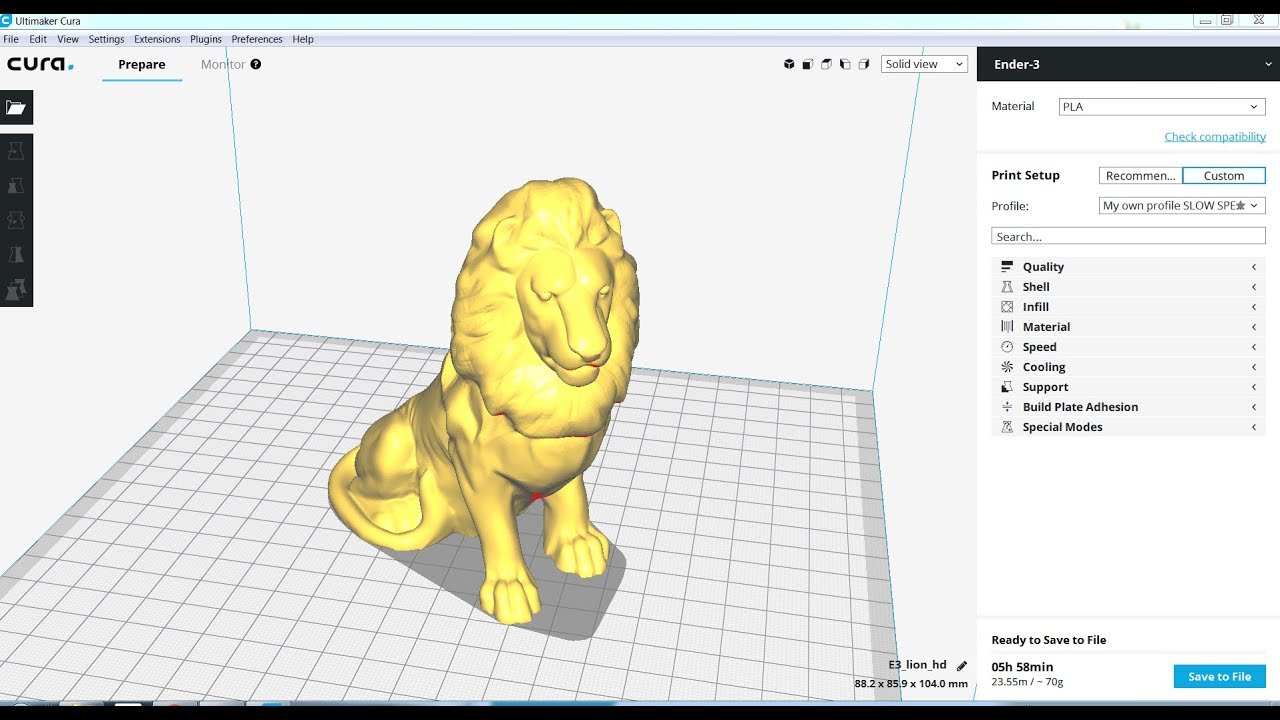
Ah, Ultimaker Cura. It’s like the comfortable old armchair of 3D printing software. Everyone knows it, everyone tries it, and many just stick with it.
It's often the first one recommended, the default download for many Ender 3 users. It feels like the "right" answer, doesn't it?
But oh, the settings! Cura offers more dials, knobs, and sliders than a cockpit from a 1980s sci-fi movie. It's truly a lot.
You want to print a simple cube? Brace yourself for 50 tabs and a thousand dropdown menus. It’s both incredibly powerful and overwhelmingly verbose.
"Cura is like that friend who offers too much advice. Most of it is good, but you just wanted a simple 'yes' or 'no'."
The "Basic" settings are a lie. They merely hide the true monster beneath. We all know it, yet we keep coming back.
You’ll spend hours tweaking infill patterns you can’t even see. You'll ponder the merits of zig-zag versus gyroid until your eyes blur.
And then, after all that, your print still fails. Was it your fault? Or did Cura secretly conspire against you? The world may never know.
PrusaSlicer: The Hipster's Delight, or Just Plain Better?
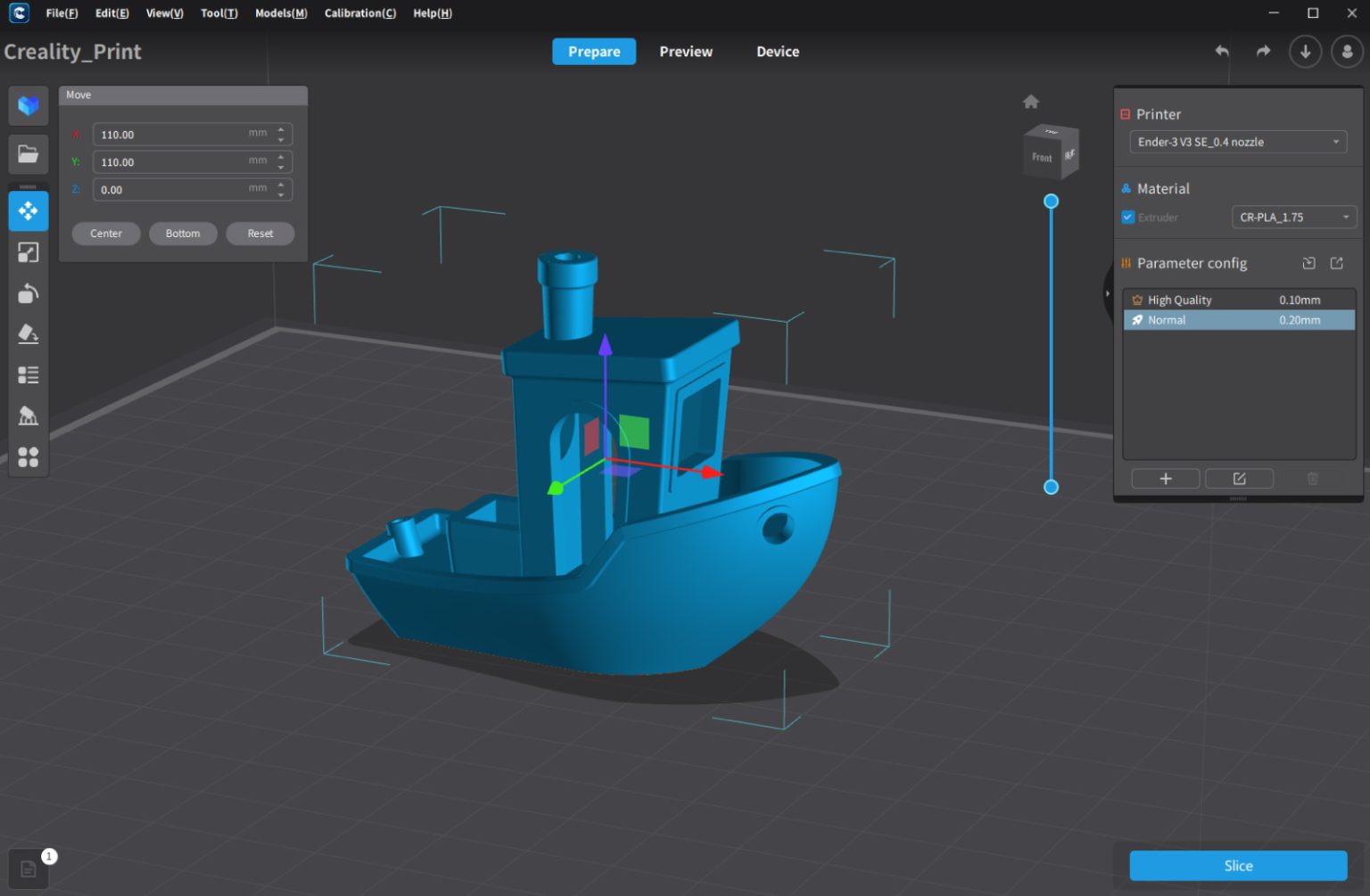
Enter PrusaSlicer. For many, this is the sleek, modern alternative. It comes from the same folks who make those fancy Prusa printers, so it must be good, right?
It feels a bit more refined, a touch more intuitive, some might say. The defaults often seem to work magically well, which is a rare treat in this hobby.
But here's my controversial take, my "unpopular opinion" if you will: PrusaSlicer wants you to feel superior. It's very subtle about it.
Using PrusaSlicer is like ordering an artisanal coffee. You know it’s good, you know it’s well-crafted, and you secretly feel a little smug while sipping it.
It still has a gazillion settings, don't get me wrong. But they’re presented in a way that makes you feel like you’re discovering secrets, not just wading through bureaucracy.
The interface is cleaner, less cluttered. It’s like the difference between a busy city market and a well-designed art gallery. Both have stuff, but one is easier on the eyes.
Switching from Cura to PrusaSlicer can feel like upgrading from a flip phone to a smartphone. Sure, there's a learning curve, but the quality of life improvements are real.
Give it a try. Just don’t let it convince you to buy a Prusa printer. Unless you want to, of course. We all have our weaknesses.
Simplify3D: The Paid Option – Is It Still Worth the Wallet-Wound?
Once upon a time, Simplify3D was the undisputed king. It was the gold standard, the software everyone coveted. And it cost a hefty chunk of change.
Many paid for it, swearing by its superior print quality and amazing support structures. It was the secret weapon of many successful makers.
But here's another "unpopular opinion" for you: In the modern era, with free options like Cura and PrusaSlicer evolving at warp speed, Simplify3D feels a bit... quaint.
It’s like paying for a landline when everyone else has smartphones with unlimited data. It works, sure, but why spend the cash?
The free alternatives have caught up, and in some areas, arguably surpassed it. The community support for the free slicers is also immense.
If you already own it, great! Keep using it if you love it. But for newcomers staring at that price tag, perhaps direct your wallet elsewhere.
It's a relic of a bygone era in 3D printing, a testament to how far free software has come. A true underdog story, but in reverse.
The Wildcard Slicers: SuperSlicer, Orca Slicer, and the Rest!
Beyond the big three, there’s a whole universe of other slicers. Many are forks, or spin-offs, of PrusaSlicer, tinkered with by dedicated enthusiasts.
SuperSlicer, for example, is like PrusaSlicer but with even more experimental features and advanced controls. It's for the true tinkerers, the ones who aren't afraid of a few extra menus.
Orca Slicer is another rising star, often praised for its thoughtful improvements and community-driven development. It’s like the indie band everyone is suddenly talking about.
These are for when you’ve mastered the basics and want to dive deeper into the rabbit hole. They promise marginal gains and endless hours of tweaking.
Embrace the chaos! Or, you know, just stick to what works. No judgment here. Mostly.
The Universal Struggle: Slicer Settings Overload!
No matter which slicer you pick for your Ender 3, you'll encounter the dreaded settings menu. It's a vast, labyrinthine maze of options.
Print speed, layer height, infill density, wall count, retraction distance, fan speed, initial layer flow... the list is truly endless.
You’ll spend hours watching YouTube videos titled "Ender 3 Best Settings!" only to find that those settings work perfectly for everyone else but you.
It's like trying to find the perfect recipe for a cake, but every ingredient has 17 sub-ingredients that also need adjusting. And the oven keeps changing temperature on its own.
The truth is, there's no single "best" setting. Every filament, every printer, every room temperature adds a variable. It’s a beautifully frustrating dance.
Your goal is to find the settings that make your Ender 3 happy. And sometimes, that involves a lot of trial and error. Mostly error.
Don't be afraid to experiment, to break things, and to print a few more spaghetti monsters. It’s all part of the journey, supposedly.
Remember that one time you spent an entire afternoon tweaking retraction settings, only to realize your nozzle was just clogged? Good times.

My "Unpopular" Opinion: Just Pick One and Stick With It (Mostly)
Seriously, for your Ender 3, the difference between a perfectly dialed-in Cura profile and a perfectly dialed-in PrusaSlicer profile is often negligible for most prints.
The biggest factor in print quality is usually your printer's calibration and maintenance. Yes, that means bed leveling, checking belts, and cleaning your nozzle.
So, instead of agonizing over which slicer is "best," just pick one that feels least offensive to your eyeballs. Spend your energy on the actual physical machine.
Get comfortable with one, learn its quirks, and then blame it when your print inevitably fails. It's therapeutic, trust me.
Unless, of course, a new update comes out. Then you have to relearn everything and question all your life choices. That's just the rule.
The best slicer for your Ender 3 is the one that causes the least amount of existential dread. Choose wisely, young padawan.
Embrace the Madness!
The world of 3D printing software for your Ender 3 is a wild ride. It’s full of powerful tools, confusing menus, and endless possibilities.
Don’t let the overwhelming choices deter you. Every 3D printer owner has gone through the same struggles, the same triumphs, and the same piles of failed prints.
So, download a slicer, start tinkering, and prepare for a rollercoaster of emotions. Happy printing, and may your layers always be smooth!
Just remember to save your profiles. Seriously, save them. You'll thank me later when you accidentally delete everything. We've all been there.