
3d Material Printing Companies Industrial Public
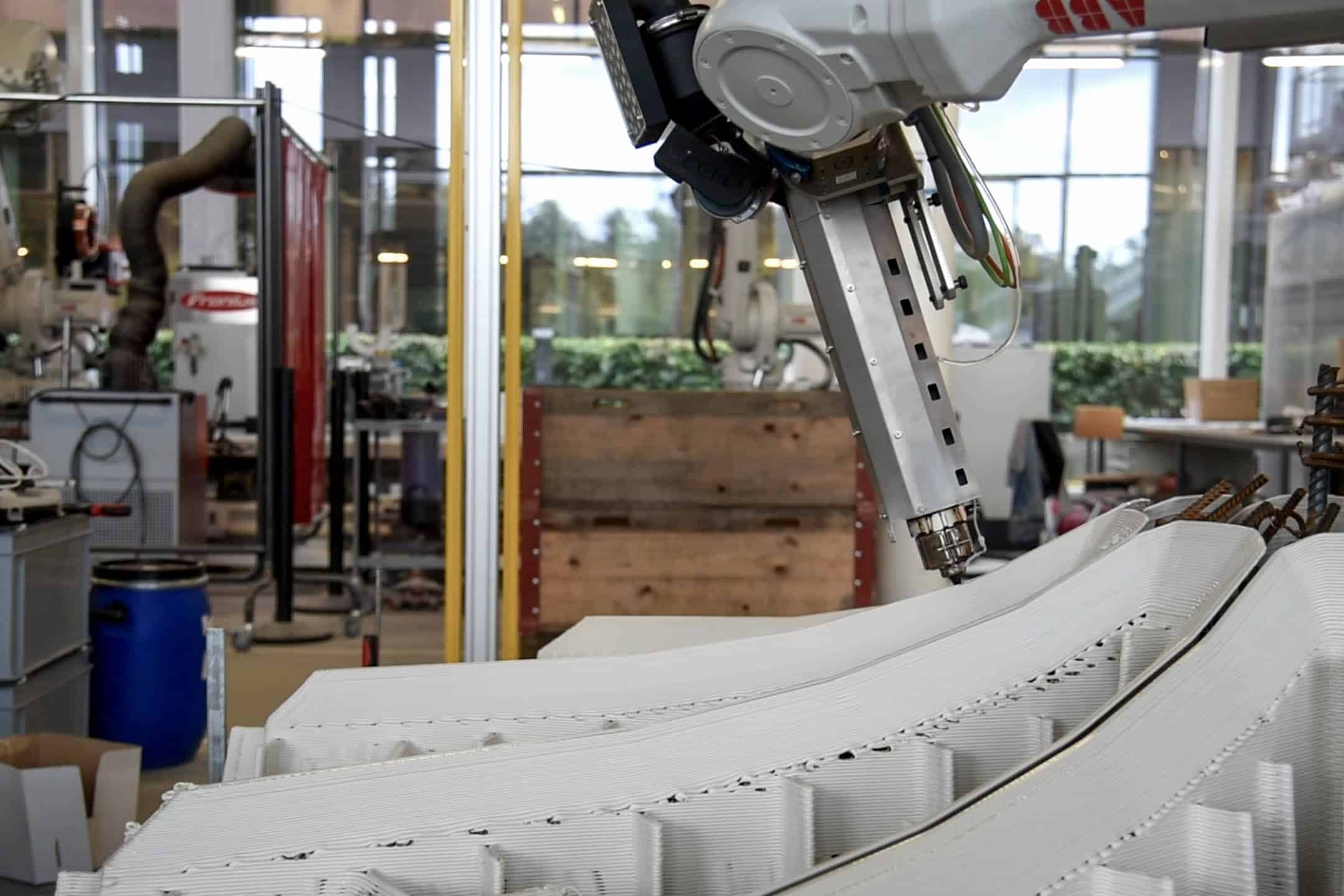
Okay, let's talk 3D printing. Not just the hobbyist stuff in your neighbor’s garage, but the serious industrial-strength, game-changing kind. We're diving into the world of 3D material printing companies – and surprisingly, it’s becoming more public-facing than you might think.
Forget imagining clunky prototypes. These aren’t your father's rapid prototyping machines. We’re talking intricate, functional parts made from a mind-boggling array of materials: metals, polymers, ceramics, composites… the possibilities are practically endless. And it’s all thanks to companies pushing the boundaries of additive manufacturing.
The Big Players Shaping the Future
Several key players are dominating the industrial 3D printing scene. Think of them as the tech giants of tomorrow's manufacturing landscape. Let's spotlight a few:
Must Read
First up is Stratasys. These guys are veterans in the game, known for their polymer-based 3D printing solutions. They're used extensively in aerospace, automotive, and healthcare, creating everything from custom surgical guides to lightweight aircraft components. Fun fact: Did you know they even played a role in creating props for blockbuster movies like Iron Man?
Then there's 3D Systems. Another powerhouse, 3D Systems offers a wide range of printing technologies and materials, including metals and ceramics. They're heavily involved in the dental industry, printing millions of dental aligners and models every year. Talk about a winning smile, literally printed to perfection!
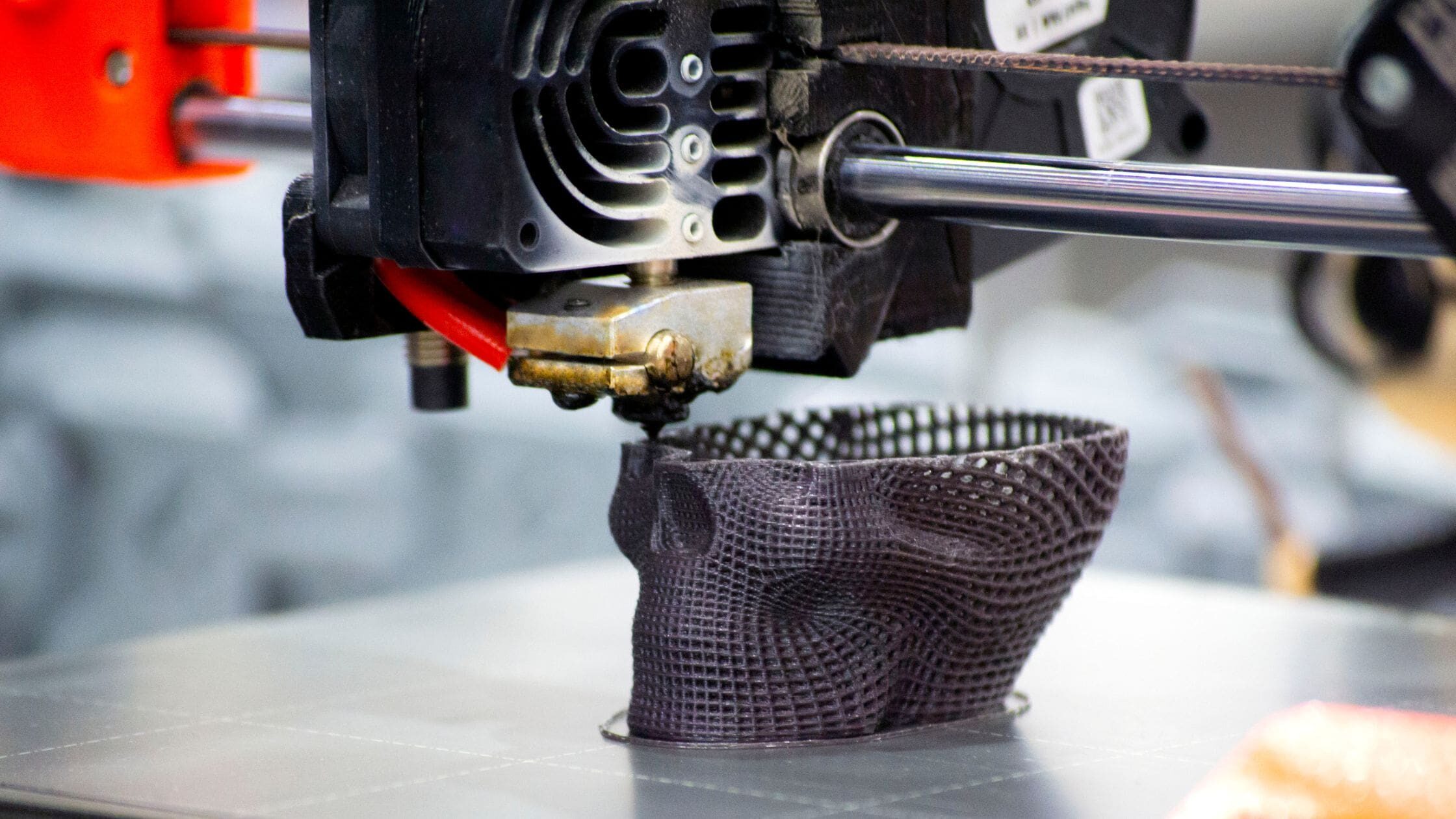
And finally, let's not forget GE Additive. As part of the General Electric conglomerate, they bring a wealth of engineering expertise and material science know-how. GE Additive is particularly focused on metal 3D printing for applications in aerospace, power generation, and oil & gas. They're essentially printing jet engine parts! That’s next-level impressive.
Why You Should Care (Even if You're Not an Engineer)
So, why should the average person be interested in these companies? Because their innovations are already impacting your life in subtle, but significant ways.
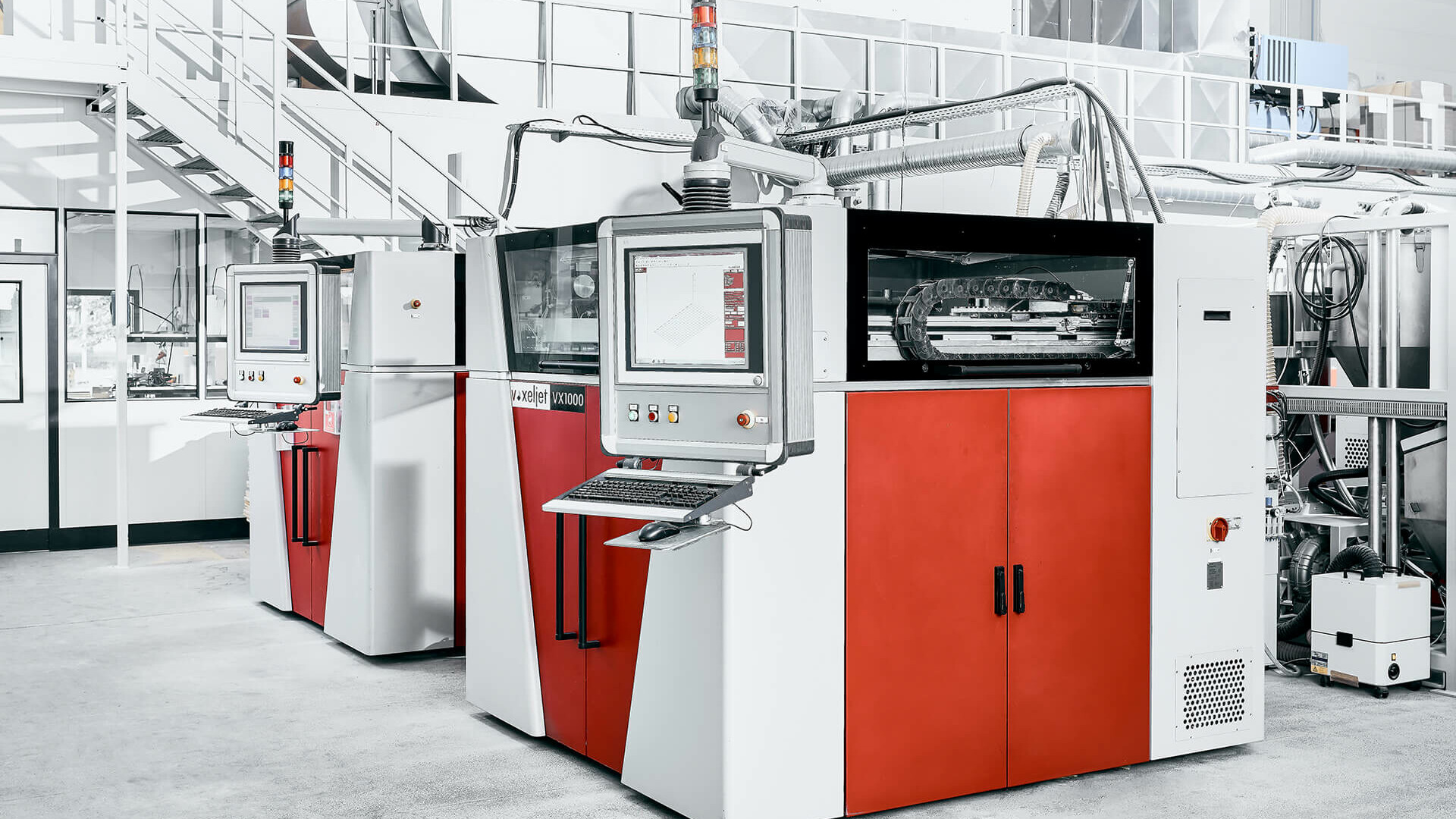
Faster Product Development: Companies can prototype and refine designs faster than ever before. This means new and improved products hit the market sooner. Think slimmer smartphones, more efficient cars, and personalized medical devices.
Customization on Demand: 3D printing enables mass customization. Want a pair of sneakers perfectly molded to your feet? Or a prosthetic limb tailored to your specific needs? It's becoming increasingly possible. It’s like having a tailor for everything.
Supply Chain Revolution: Imagine manufacturing components on-demand, right where they’re needed. This reduces reliance on complex global supply chains and promotes localized production. It’s all about efficiency and resilience.
Getting Involved: The Democratization of 3D Printing
While these companies are primarily focused on industrial applications, the technology is slowly trickling down to the public. Here are a few ways you can get involved:
- Maker Spaces: Many cities have maker spaces equipped with 3D printers. These spaces offer training, resources, and access to equipment for hobbyists and entrepreneurs.
- Online Communities: Websites like Thingiverse and MyMiniFactory offer a vast library of 3D printable designs. You can download files and print them at home or through a 3D printing service.
- Educational Programs: Schools and universities are increasingly incorporating 3D printing into their curricula. This provides students with the skills and knowledge to succeed in the future workforce.
Pro Tip: Start small! Don't try to print a functional rocket engine on your first attempt. Focus on simple projects, learn the basics of design and printing, and gradually work your way up to more complex creations.

A Future Shaped by Additive Manufacturing
The industrial 3D material printing landscape is rapidly evolving. New materials, faster printing speeds, and more sophisticated software are constantly pushing the boundaries of what’s possible. These advances are not just impacting industries, they're shaping the future of manufacturing, healthcare, and even our daily lives. It’s like science fiction becoming science fact, right before our eyes.
Ultimately, the impact of these companies is far-reaching. They are building a world where products are more personalized, sustainable, and accessible. And that's something we can all get excited about. Think about it: the pen you’re using, the chair you’re sitting on, the very device you’re reading this on—someday, aspects of all those things could be created with the precision and customization that 3D printing offers.
It’s a brave new world, indeed.