
30a Vs 50a Solar Charger Controller Difference
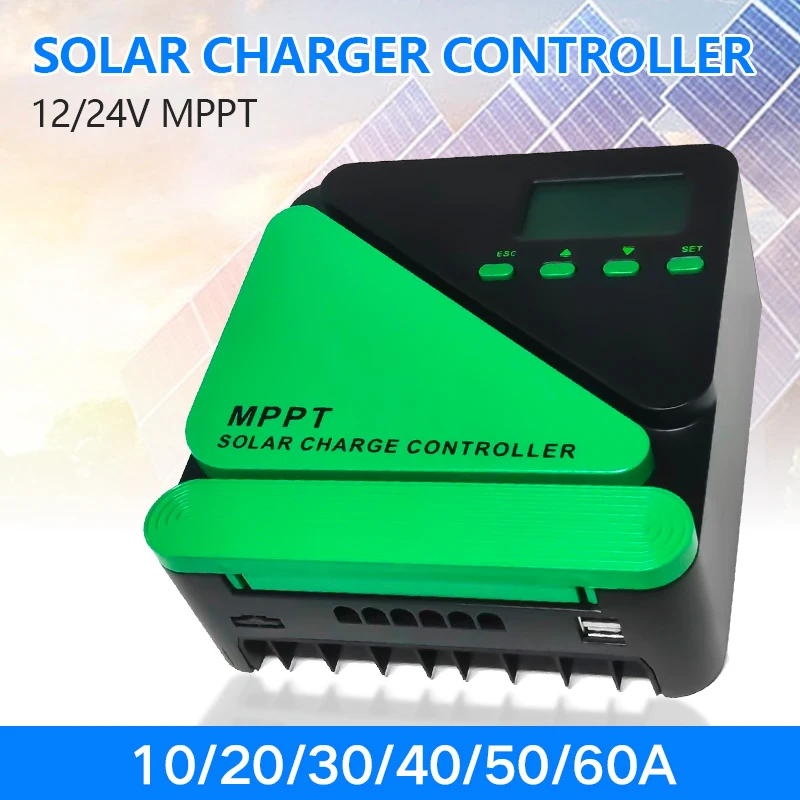
Okay, let's talk solar. Specifically, those little boxes that wrangle the sun's power and keep your batteries happy: solar charge controllers.
We're diving into the age-old question: 30A versus 50A. Sounds intimidating, right? Don't sweat it. Think of it like choosing between a garden hose and a fire hose. Both deliver water, but one does it with a bit more...enthusiasm.
What's an Amp Anyway?
Amps, short for Amperes, are simply a measure of electrical current. It's like the flow rate of water in our hose analogy. More amps mean more juice flowing from your solar panels to your batteries.
Must Read
A 30A solar charge controller can handle, you guessed it, 30 amps of current. A 50A solar charge controller? Fifty amps. Groundbreaking, I know.
But what does that actually mean for you? Let's break it down.
The Size of Your Solar Circus
The size of your solar panel setup is the biggest deciding factor. Think of your solar panels as the engine driving this whole operation. The controller is the traffic cop making sure everything flows smoothly.

If you've got a tiny, adorable solar panel setup – maybe powering a few lights in your shed – a 30A controller is probably just fine. No need to overcomplicate things (or overspend!).
But if you're rocking a massive array of panels, trying to power your entire off-grid cabin, a 50A controller is your new best friend. Anything less, and you risk bottlenecking the sun's glorious energy and leaving valuable power on the table.
My Unpopular Opinion: Future-Proofing is Overrated (Sometimes)
Here's where I might ruffle some feathers. Everyone always says, "Buy bigger! Future-proof your system!" And yes, planning for the future is generally smart. But...sometimes it's overkill.

If you know, absolutely know, that your solar needs will remain small and manageable, don't blow your budget on a giant 50A controller just in case you decide to build a solar-powered Death Star in your backyard someday. A perfectly adequate 30A controller will do the job nicely.
Buying a huge controller you’ll never fully utilize is like buying a monster truck to drive to the grocery store. It looks cool, sure, but is it really practical?
The Money Matters (Duh!)
Let's be honest, price is a huge consideration. 50A controllers typically cost more than their 30A counterparts. Are you willing to shell out extra cash for headroom you might never use? That's a question only you can answer.
Think about it this way: that extra money could be used to buy...more solar panels! Or maybe a really comfy camping chair to enjoy your solar-powered paradise.
The Nitty-Gritty: Voltage Matters Too!
Don't forget about voltage! Make sure your solar panels and charge controller are compatible. This is where things can get a little technical, so don't be afraid to consult the manuals or ask an expert.
A mismatch in voltage can lead to inefficiency or, worse, damage to your equipment. And nobody wants that.
So, 30A or 50A? The Verdict (Sort Of)
Ultimately, the best choice depends on your specific situation. There's no one-size-fits-all answer.
Consider the size of your solar panel array, your budget, and your future energy needs. Do your research, compare prices, and don't be afraid to ask for help.
And remember, even if you choose the "wrong" one, it's not the end of the world. You can always upgrade later. Just don't blame me when your solar-powered coffee maker isn't brewing fast enough.
Happy solar-ing!