308 Stainless Steel Welding Rod

Ever gazed at something made of metal – maybe a sleek kitchen counter, a sturdy BBQ grill, or even a piece of abstract art – and wondered how it all comes together so seamlessly? Well, a lot of that magic happens through welding, and when it comes to durable, good-looking, and rust-resistant projects, 308 stainless steel welding rod is often the unsung hero. It might sound like technical jargon, but learning about it is like discovering a secret superpower for making, fixing, and creating! It’s incredibly satisfying to join two pieces of metal, turning raw materials into something strong and lasting.
So, who benefits from this neat little rod? For the beginners and hobbyists, mastering the use of a 308 stainless steel welding rod opens up a whole new world. Imagine finally repairing that wobbly stainless steel leg on your patio furniture or crafting a custom exhaust pipe for your project car. It’s also fantastic for small art pieces, giving your creations a professional, enduring finish. For families, while you might not be doing heavy-duty fabrication in the living room, understanding this material means you can appreciate the longevity and quality of many household items, from kitchen sinks to appliances. Knowing that a robust 308 weld can fix a beloved stainless steel item means it stays out of the landfill and in use for years to come. It’s all about creating strong, corrosion-resistant bonds that stand the test of time and the elements.
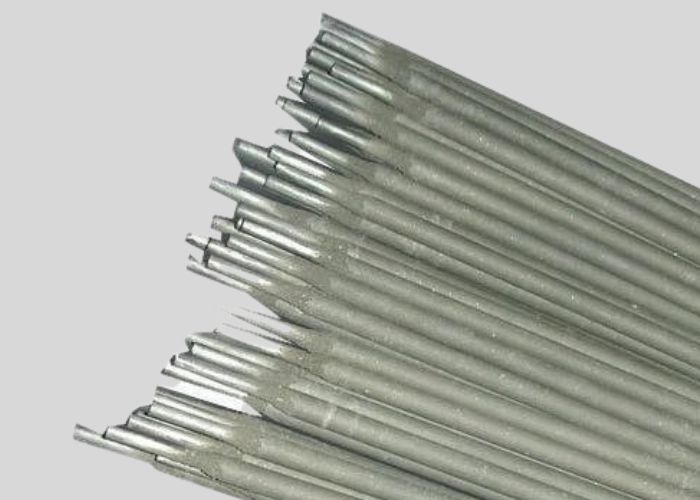
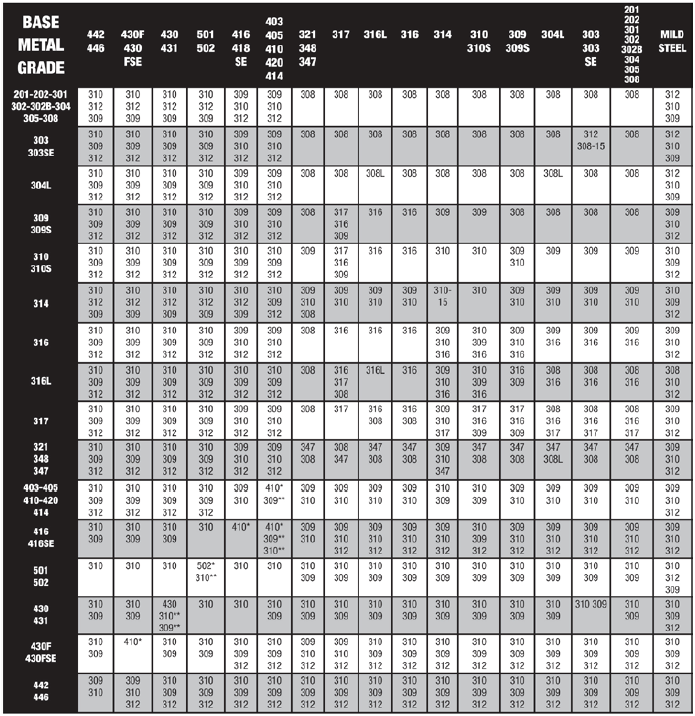
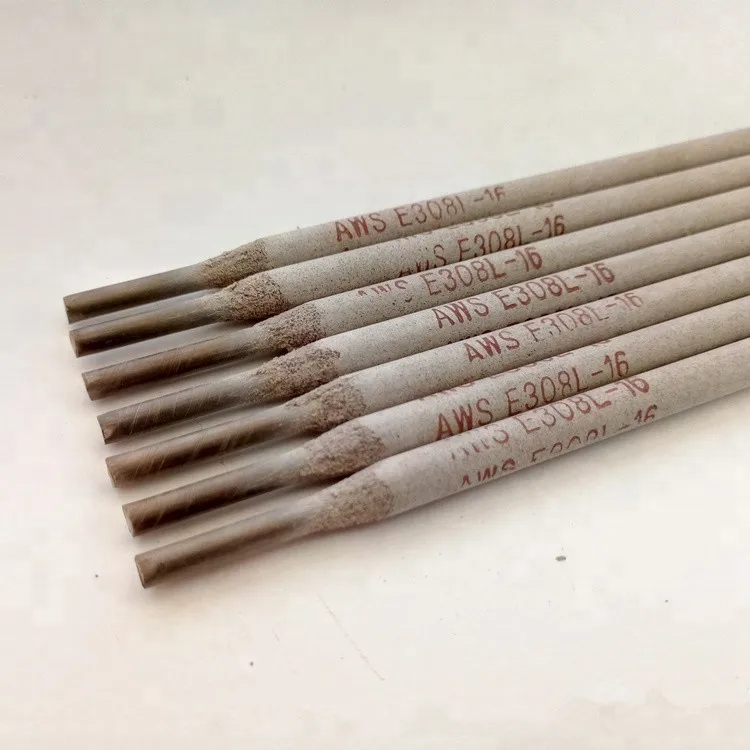
The "308" in its name refers to a specific grade of stainless steel, known for its excellent general-purpose corrosion resistance and strength. It's a very common choice for welding types of stainless steel like 304, which you'll find in countless applications – think food processing equipment, dairy equipment, sinks, and even some marine components where rust is a big no-no. While 308 is a star, it’s good to know there are other "flavors" of stainless steel rods out there too, like 316 (for even greater corrosion resistance, especially in saltwater) or 309 (often used for joining different types of steel). But for most everyday stainless steel repairs and fabrications, 308 is your reliable go-to. The rods themselves come in various diameters, chosen based on the thickness of the metal you're welding, each covered in a flux coating that helps protect the weld as it cools.
Must Read
Ready to try your hand? Here are a few simple, practical tips to get you started. First and foremost: safety is paramount! Always wear a proper welding helmet, gloves, and protective clothing to shield yourself from intense light, heat, and sparks. Second, cleanliness is next to godliness when welding stainless steel. Make sure your metal is sparkling clean, free of grease, paint, or rust, as contaminants can weaken your weld. Third, start with scrap pieces. Welding is a skill that takes practice, so don't expect perfection on your first go. Experiment with your welder’s settings (amperage) and practice maintaining a consistent arc length and travel speed – these are the keys to a beautiful, strong bead. And finally, ensure you have good ventilation, as welding fumes are best avoided.
In conclusion, diving into the world of 308 stainless steel welding rods might sound a bit niche, but it's an incredibly empowering journey. From extending the life of household items to unleashing your inner metal artist, the ability to create strong, shiny, and rust-proof connections is wonderfully rewarding. There’s a unique satisfaction in seeing a well-made weld, knowing you’ve built something that will endure. Happy welding!