
304 Vs 316 Stainless Steel Mechanical Properties
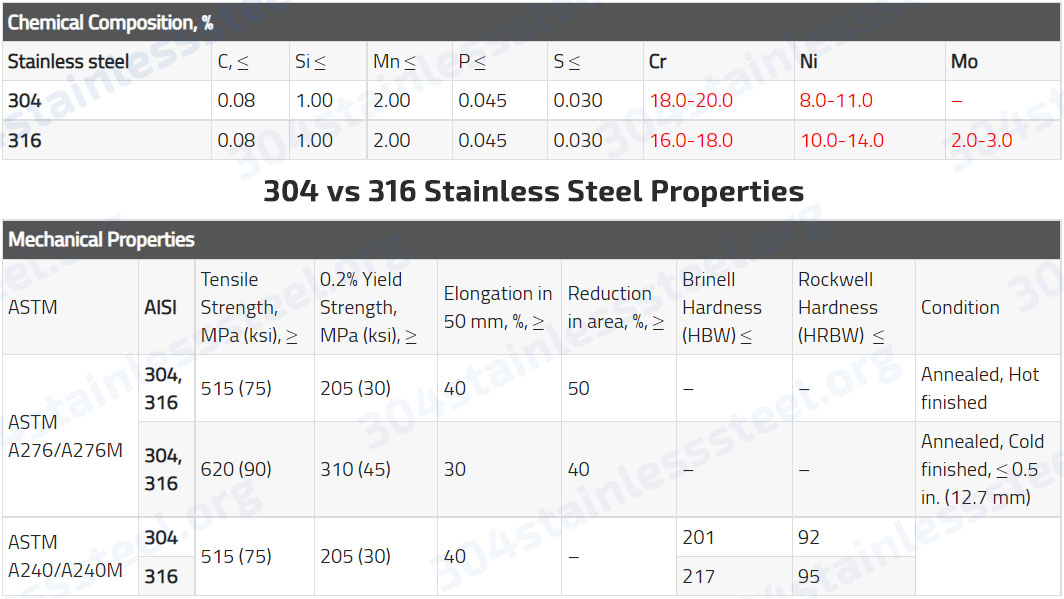
Let's talk stainless steel. Specifically, 304 and 316. Aren't they just...shiny metals?
The Great Metal Showdown: 304 vs 316
We're diving into the mechanical properties. Prepare for mild excitement! Okay, maybe just mild understanding.
Strength: Who Packs the Bigger Punch?
Here's my unpopular opinion: they're both strong enough. We're not building skyscrapers here, are we?
Must Read
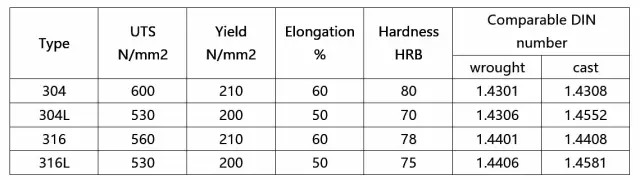
Technically, they have similar tensile and yield strength. So, roughly equal strength. Unless you're measuring with a super precise machine and have way too much time.
Think of it like this. It's like comparing two bodybuilders. One might lift slightly heavier. But both can probably move your couch.
Ductility: Bending Over Backwards (Literally?)
Ductility is how easily a metal bends without breaking. Kind of important, right?
304 and 316 are both pretty ductile. Meaning they can be formed and shaped without too much drama.
Imagine shaping Play-Doh. That's kind of like ductility, but with metal. And slightly more industrial.
Hardness: Can You Scratch This?
Hardness is resistance to scratching. Important for aesthetics, I guess.
Again, these two are pretty close. Don't expect one to magically resist all scratches better than the other. Sorry to burst your bubble.

Think of it like phone screens. Scratches happen. Just embrace the imperfections!
Corrosion Resistance: The Real MVP?
Okay, this is where 316 tries to flex. Corrosion resistance. It's all about surviving rust and other nasty stuff.
316 has molybdenum. Sounds fancy, right? It helps resist corrosion, especially from chlorides (like salt!).
So, if your project involves saltwater or harsh chemicals, 316 is your friend. 304 might get a little rusty in those situations.
Think of 316 as the metal wearing sunscreen. 304 is like, "Whatever, I'll take my chances!"
Weldability: Playing with Fire (Safely!)
Welding is joining pieces of metal together. It's hot. And requires protective gear.
Both 304 and 316 are generally easy to weld. A good thing, because who wants a welding nightmare?
Just make sure you use the right welding techniques. And maybe watch a YouTube tutorial first. Safety first, kids!
Temperature Resistance: Hot or Not?
Can these metals handle the heat? And the cold?
Both 304 and 316 perform well at a range of temperatures. But 316 often wins out at higher temperatures, especially in corrosive environments.
Imagine them as ovens. Both can bake a cake. But 316 might be better at that self-cleaning cycle. (Metaphorically speaking, of course.)
Cost: The Bottom Line
Here's the real kicker: price. 316 is generally more expensive than 304. Surprise!
That fancy molybdenum comes at a cost. So, if you don't need the extra corrosion resistance, 304 might be the budget-friendly choice.
Think of it like choosing coffee. Do you need that extra shot of espresso (316)? Or will regular coffee (304) do the trick?
So, Which One Should You Choose?
It depends! Shocking, I know.
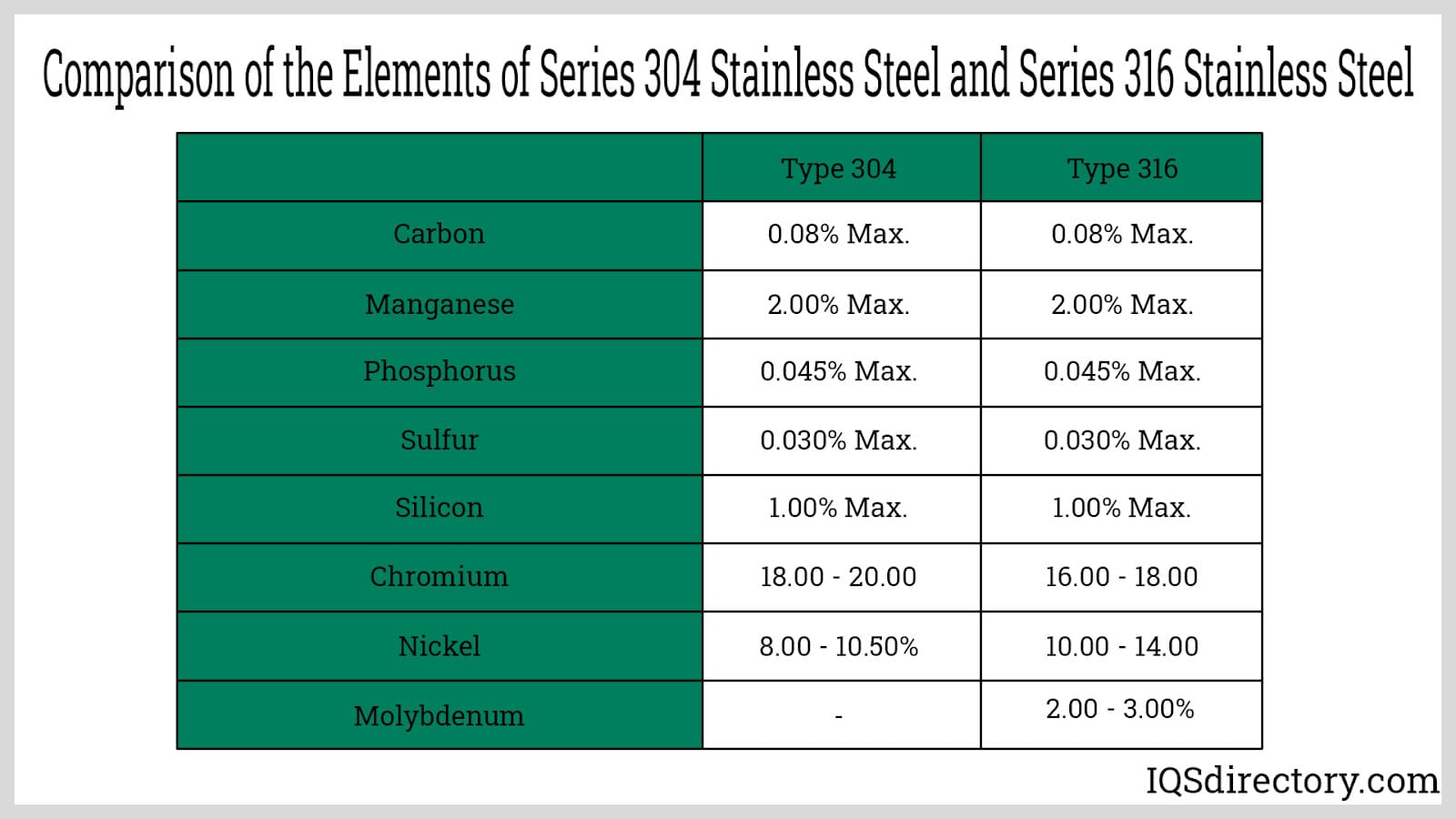
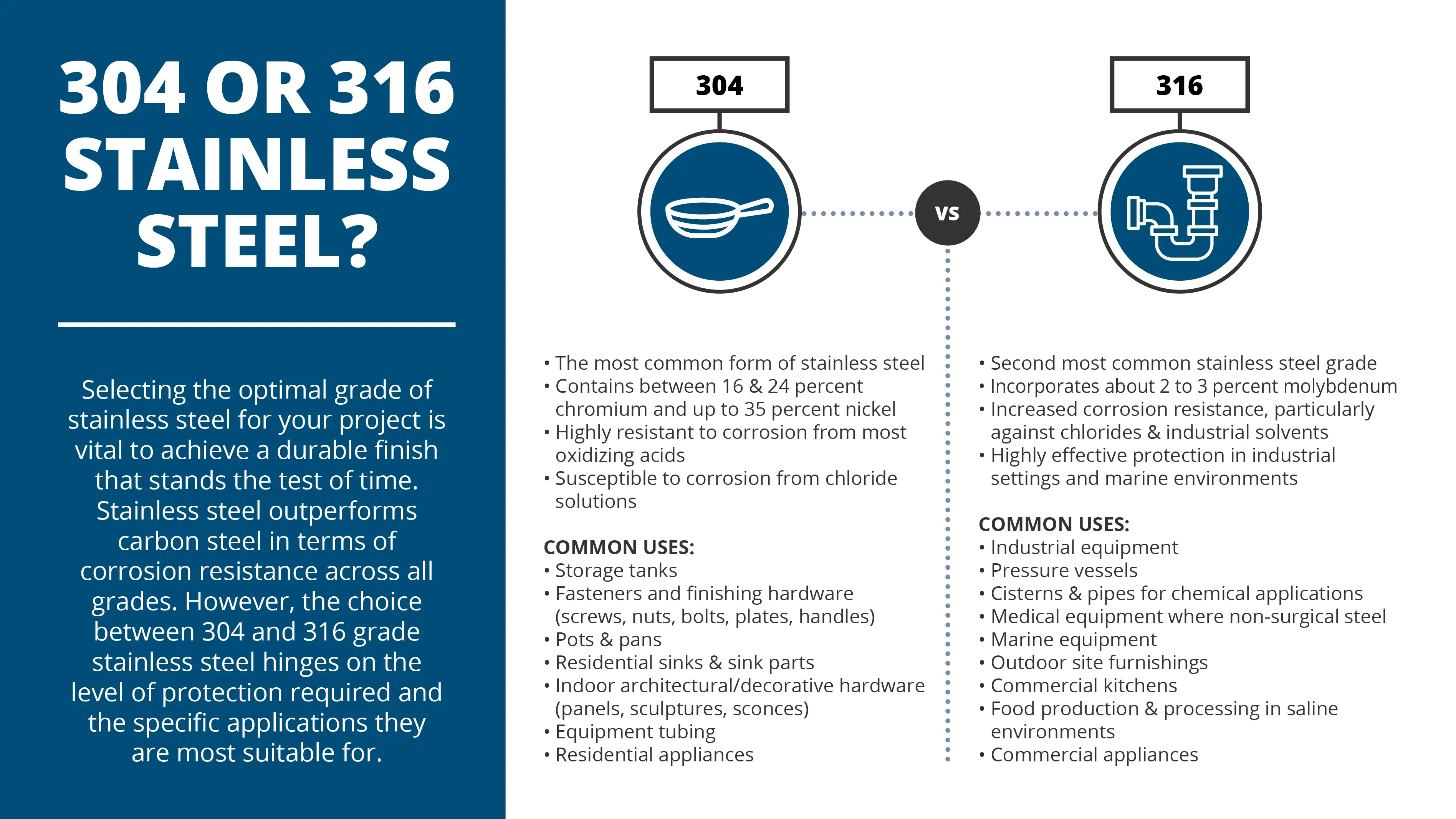
Consider your application. Is it going to be exposed to harsh environments? Go with 316.
Is it just for general use, where corrosion isn't a huge concern? 304 will probably be fine.
And, of course, consider your budget. Don't break the bank for something you don't need.
My Unpopular Opinion (Again!)
Most of the time, the average person won't notice a huge difference. Unless they're actively trying to corrode the metal. Which, hopefully, they're not.
We often overthink these things. Just pick one, and move on with your life.
Seriously, there are more important things to worry about. Like what to have for dinner.
The Final Verdict
304 and 316 are both excellent materials. They're strong, ductile, and relatively easy to work with.
316 offers better corrosion resistance, but it comes at a higher cost.
Choose wisely, my friends. And don't lose sleep over it.
Ultimately, context matters. Know your application. Know your budget. And maybe consult with a materials expert if you're really unsure.
Or, you know, just flip a coin. I'm not responsible for the consequences.
But remember, choosing the right material is crucial for longevity and performance. Don't skimp on the important stuff.
Alright, that's enough metal talk for one day. Go enjoy the sunshine!
Just don't expose your stainless steel to saltwater without thinking it through first!
And maybe wear sunscreen. Both you and your metal.
Because let's face it, nobody likes rust. Or sunburns.
Good luck with your metal adventures!