
304 Stainless Steel Versus 316 Stainless Steel
Ever wondered what makes that shiny kitchen sink so… shiny? Or why some metal things last forever while others rust away? Chances are, stainless steel is involved. But here's the thing: not all stainless steel is created equal. Today, we're diving into the fascinating world of two popular types: 304 and 316 stainless steel. What makes them different? And why should you even care?
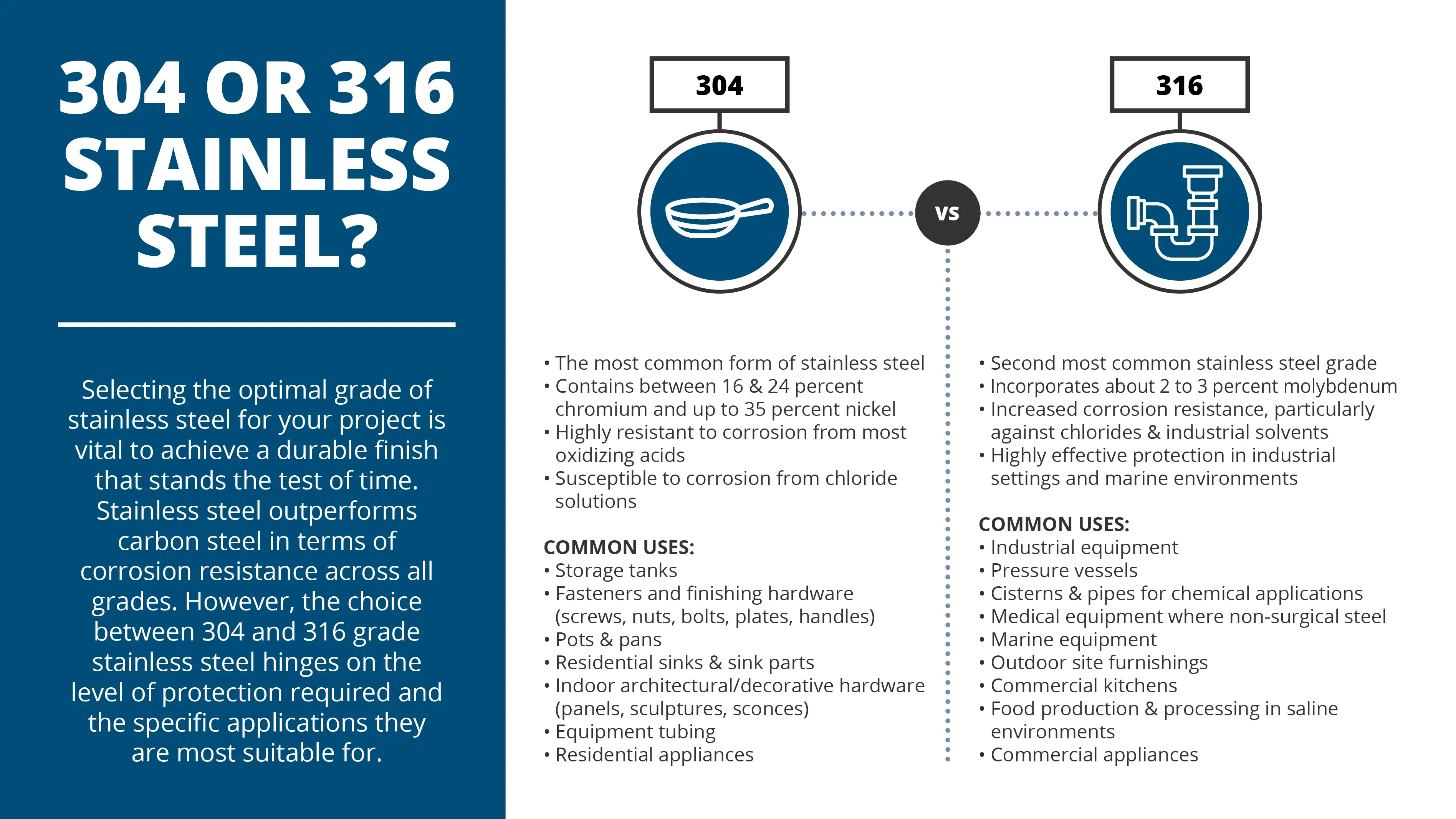
Think of stainless steel like a family of metals. They all have iron, chromium, and other elements mixed in. The chromium is the superhero here; it forms a protective layer that prevents rust. Pretty cool, right?
The OG: 304 Stainless Steel
304 stainless steel is like the reliable, friendly neighbor of the stainless steel world. It’s the most common type you’ll find. Think pots, pans, cutlery, sinks, and even some architectural features. It’s strong, durable, relatively inexpensive, and easy to work with. What's not to love?
Must Read
Why is it so popular? Because it strikes a great balance between cost and performance. It’s resistant to corrosion in many everyday environments. Picture it as your trusty SUV – perfectly capable for everyday life and most adventures.
But here’s where things get interesting. What happens when you throw it into a really harsh environment? That’s where 316 steps in.
Enter the Hero: 316 Stainless Steel
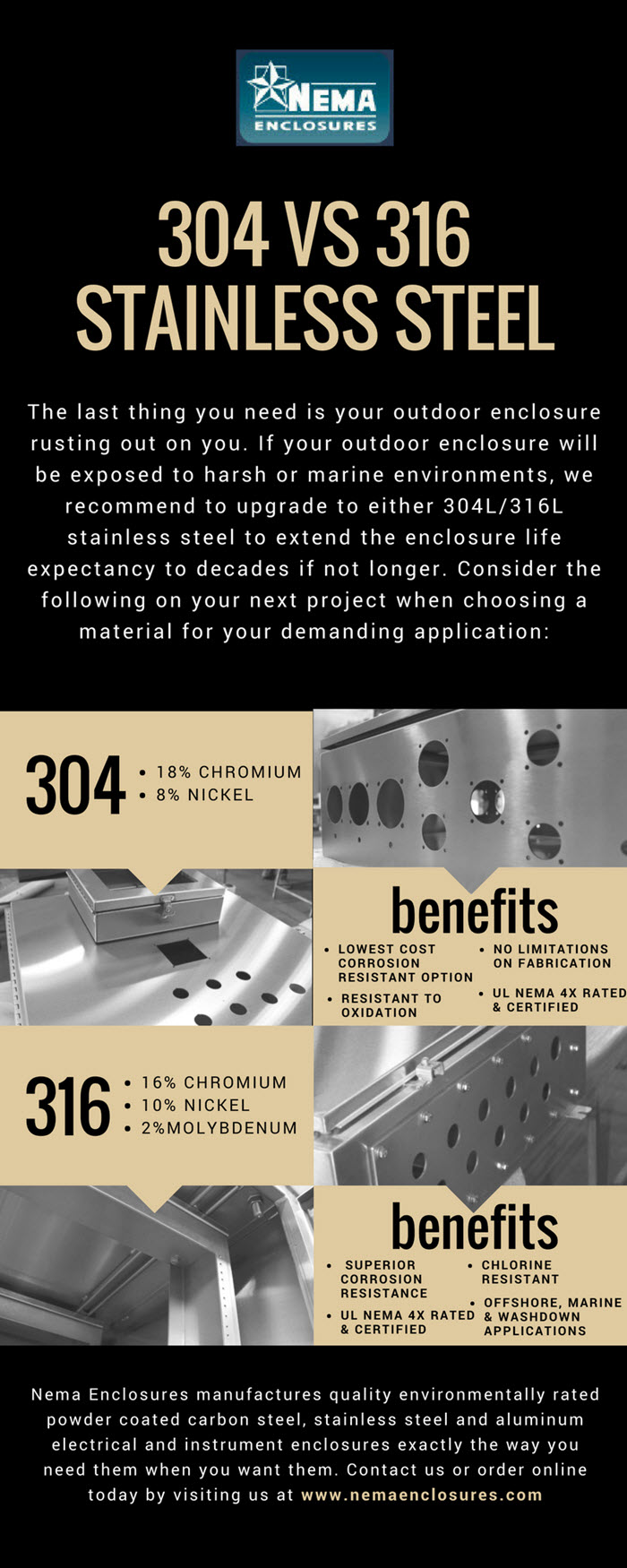
316 stainless steel is like 304's tougher, more sophisticated cousin. The key difference? It has molybdenum added to the mix. Molybdenum is a game changer when it comes to corrosion resistance, especially against chlorides (like salt!).
Think of it this way: 304 is fine hanging out at the beach, but 316 is ready to dive into the ocean. This makes 316 the go-to choice for marine applications (boats, docks, etc.), chemical processing, medical implants, and even certain food processing equipment where harsh cleaning chemicals are used.
Imagine this: You're building a fancy yacht. Would you use regular steel that might rust and crumble in the salty sea air? Nope! You'd want the extra protection of 316. Similarly, if you're working with corrosive chemicals, 316 is your best bet.

304 vs. 316: The Key Differences
Let's break it down in a super simple way:
- Corrosion Resistance: 316 wins, hands down. Especially against chlorides (salt, bleach, etc.).
- Cost: 304 is generally more affordable. That extra molybdenum in 316 adds to the price.
- Strength and Durability: Both are strong and durable, but 316's corrosion resistance gives it an edge in harsh environments.
- Applications: 304 for everyday uses; 316 for harsher environments (marine, chemical, medical).
Think of it like this: 304 is the all-purpose flour, while 316 is the specialty flour you need for that perfect, tricky recipe. You can probably get away with using all-purpose flour sometimes, but for the best results (and to avoid disaster!), you’ll choose the right flour.
So, Which One Should You Choose?
That's the million-dollar question, isn't it? Well, it all boils down to the intended use. Are you making a salad bowl? 304 is probably just fine. Are you building a desalination plant near the ocean? Definitely go with 316!
Consider these questions:
- What environment will the metal be exposed to?
- Are there any corrosive substances involved (salt, chemicals, etc.)?
- What's your budget?
- How long do you need the metal to last?
Answering these questions will help you make an informed decision. And when in doubt, it’s always a good idea to consult with a materials expert.
Beyond the Basics: A Few Cool Facts
Did you know that both 304 and 316 are recyclable? That's right! Stainless steel is a sustainable material, which is another reason to love it. Also, both can be polished to a mirror finish, giving them that sleek, modern look.
And get this: there are even variations of 316, like 316L! The "L" stands for "low carbon," which further improves its weldability and reduces the risk of corrosion after welding. Isn't that neat?
So, the next time you see something made of stainless steel, take a moment to appreciate the science and engineering that went into it. Whether it's 304 or 316, it's a testament to human ingenuity and our ability to create materials that are both beautiful and functional. And hopefully, now you're a little more clued in on the differences between these two incredible metals! Pretty cool, huh?