
30 Amp To 50 Amp Adapter For Rv

You’ve done it. You’ve navigated the winding roads, perhaps with a classic road trip playlist setting the vibe, and pulled your trusty RV into that perfect, picturesque spot at the campground. The sun is just starting to dip, painting the sky in hues of orange and purple. You’re ready to kick back, fire up the AC, maybe brew some coffee, and truly unwind. But then, you glance at the power pedestal, and your heart does a little flip. Your RV is a proud 30-amp model, but the pedestal is sporting a hefty 50-amp receptacle. Uh oh.
Before panic sets in, take a deep breath. This isn't a showstopper, just a minor plot twist in your adventure story. The hero of this particular chapter? A simple, yet profoundly useful gadget: the 30-amp to 50-amp RV adapter.
What Exactly Is This Little Lifesaver?
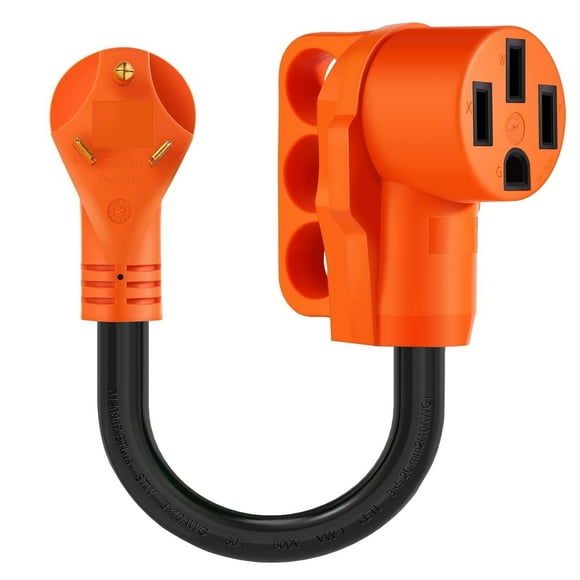
Think of it as the ultimate diplomat in the world of RV power. When you're driving a 30-amp RV (which is super common, by the way – many travel trailers and smaller motorhomes fall into this category), you need a 30-amp connection. But sometimes, especially at newer or more premium campsites, 50-amp pedestals are all that’s available. This adapter, often affectionately called a "dogbone" due to its shape, bridges that gap.
Must Read
It's important to understand what it doesn't do. This adapter doesn't magically turn your 30-amp RV into a 50-amp powerhouse. It simply allows your 30-amp RV to safely plug into a 50-amp source. Essentially, it steps the 50-amp power supply down to match your RV's 30-amp requirements. You'll still be running on 30 amps, but at least you'll be running!
When You'll Be Glad You Have One Tucked Away
This isn't just a "nice-to-have"; it's a "must-have" for any 30-amp RV owner who values flexibility. Here are a few scenarios where it earns its stripes:

- Full Campgrounds: Sometimes, the only open spots left are those premium 50-amp sites. With this adapter, you’re in!
- Friend's Driveway: Visiting relatives who only have a 50-amp hookup for their own rig? No problem, you can still plug in.
- Older vs. Newer Parks: Some older parks might lean 30-amp, but many newer or upgraded facilities offer more 50-amp options. An adapter gives you access to both.
Plug In, Power Up: How to Use It
Using the adapter is refreshingly straightforward. It’s not rocket science, but a few smart habits go a long way:
- Breaker First: Always, always make sure the breaker on the pedestal is in the "off" position before you plug anything in. This is a golden rule for electrical safety.
- Adapter In: Plug the 50-amp end of your adapter into the 50-amp receptacle on the pedestal.
- RV Cord Next: Then, plug your RV's 30-amp power cord into the 30-amp end of the adapter.
- Flip the Switch: Once everything is snug and secure, flip the breaker on the pedestal to the "on" position.
- Enjoy! Head inside and power up your RV.
A little pro tip: if you encounter any issues, always check the pedestal breaker first, then your RV's internal breakers. Think of it as a logical troubleshooting tree.
Practical Tips & Fun Facts for the Savvy RVer
You're not just buying a cable; you're investing in peace of mind. Here’s how to make the most of it:

Quality Over Quantity:
Don't skimp on a cheap adapter. A high-quality, heavy-duty adapter from a reputable brand (often identifiable by its sturdy construction and weather-resistant materials) is paramount. It ensures safety and longevity. Think of it like choosing a good pair of hiking boots for a long journey – essential for comfort and reliability.
Keep It Clean & Dry:
Water and electricity are not friends. Store your adapter in a clean, dry place, perhaps in a dedicated storage bag. It'll thank you by working flawlessly for years.
Understanding the Amps:

A 50-amp RV typically receives two separate 50-amp, 120-volt lines, effectively offering 100 amps (12,000 watts). A 30-amp RV receives one 30-amp, 120-volt line (3,600 watts). Your adapter simply ensures your 30-amp RV receives its appropriate single 30-amp line from the larger 50-amp source. It’s like a smart gatekeeper.
Dispelling the Myth: It's Not an Upgrade
Let's be clear: while the adapter allows you to connect to a 50-amp source, your 30-amp RV remains a 30-amp RV. You won't suddenly be able to run three air conditioners, a microwave, and a hair dryer all at once if your rig isn't wired for it. Overloading your RV's 30-amp system will still trip its internal breakers. The adapter simply enables connection; it doesn't boost your RV's power capacity. It’s an act of adaptation, not transformation.
The Little Adapter That Teaches Big Life Lessons
In many ways, the humble 30-amp to 50-amp adapter is a metaphor for life on the open road, and indeed, life in general. It teaches us the value of flexibility, of being prepared for the unexpected, and of finding simple solutions to seemingly tricky problems. It’s about being adaptable enough to still enjoy that beautiful sunset, even if the power post throws you a curveball. So, next time you're packing your RV, make sure this small but mighty tool is on your checklist. It's a tiny piece of gear that offers huge peace of mind, ensuring your adventures are always powered up, no matter what connections await you.