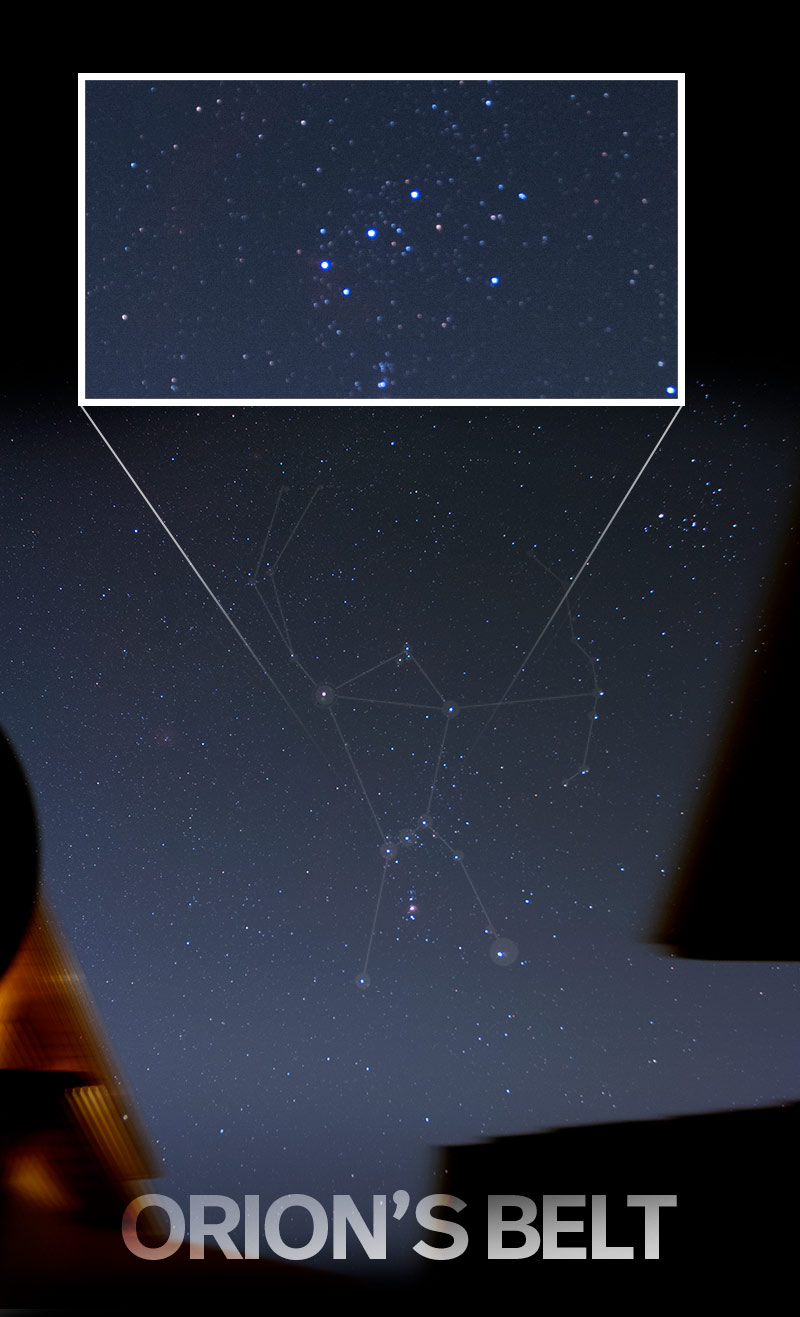
3 Stars In A Line Constellation

Ever looked up at the night sky and spotted that iconic trio of stars, perfectly aligned, like a cosmic wink from the universe? You know the one. That unmistakable line of three bright beacons that just pops against the velvet black? Well, you're not alone. This celestial landmark is perhaps one of the most recognized patterns in the heavens, even for the most casual of stargazers. It’s a true showstopper, and it’s called
For centuries, these three luminous points have captivated humanity, serving as a celestial guide and a source of endless wonder. They’re not just pretty lights; they’re a cornerstone of the night sky, steeped in mythology, practical use, and sheer cosmic grandeur.
Meet the Stars: Alnitak, Alnilam, and Mintaka
Those three shining jewels aren't just any stars. From east to west, we have Alnitak, Alnilam, and Mintaka. These aren't dim flickers; they are all massive, incredibly luminous blue supergiants, vastly bigger and brighter than our own Sun. Imagine stars so powerful they could light up entire solar systems! And despite appearing close together, they're actually separated by vast cosmic distances, each residing hundreds to over a thousand light-years away from us. Talk about a grand scale!
Must Read
What makes them so special is their apparent alignment from our perspective on Earth. They form the "belt" of the mighty hunter Orion, one of the most prominent and easily identifiable constellations in the sky. If you find Orion's Belt, you’ve essentially found the heart of one of the universe’s most famous figures.
A Cultural Compass Through Time
Orion's Belt isn't just a pretty picture; it's a star system with a rich cultural tapestry woven across millennia. Ancient Egyptians saw these stars as an earthly representation of Osiris, their god of the afterlife, and even aligned the Giza pyramids to mirror their precise formation. Many indigenous cultures across the globe also incorporated these stars into their stories and navigation. For instance, some Polynesian navigators used Orion and his belt as crucial guides for their epic voyages across the Pacific.
In various cultures, it has been known as "The Three Kings," "The Three Sisters," or even "Jacob's Ladder." It’s a universal pattern that has resonated with humanity, proving that no matter where you are on Earth, we share the same sky and many of the same starry myths. It's truly a testament to our shared human experience.
Your Practical Guide to Spotting the Belt
Ready to reconnect with these cosmic celebrities? Good news: Orion’s Belt is incredibly easy to find! It’s best viewed during the winter months in the Northern Hemisphere and summer months in the Southern Hemisphere, though it's visible globally at some point in the year. Look for it high in the sky after sunset, usually appearing around late autumn through early spring.
Here’s how to spot it like a pro:
- Look South (Northern Hemisphere): Face roughly south, and let your eyes sweep the sky.
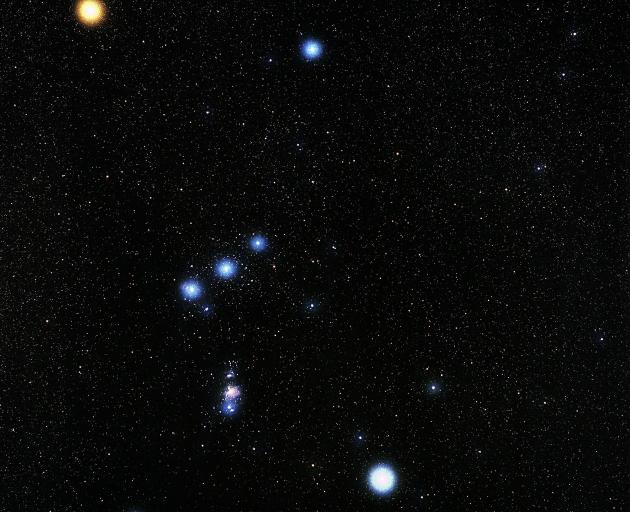
- Find the "Hunter": Orion is characterized by his distinctive hourglass shape, with two bright stars marking his shoulders (Betelgeuse and Bellatrix) and two marking his feet (Rigel and Saiph). The three stars of the belt are smack-dab in the middle.
- Naked Eye Magic: You don't need fancy equipment! Orion's Belt is brilliantly visible to the naked eye, even from light-polluted areas, though a dark sky will make it truly spectacular.
- App Assistance: If you're struggling, try a stargazing app like <>SkyView Lite> or <>Star Walk 2>. Point your phone at the sky, and it will guide you directly to Orion.
Fun fact: Once you've located the Belt, use it as a cosmic pointer! Follow the line of the Belt upwards and to the right, and you’ll find the bright red giant star Aldebaran in Taurus. Follow it downwards and to the left, and you'll easily spot Sirius, the brightest star in our night sky, part of Canis Major!
More Than Just Stars: A Cosmic Nursery
Just below the Belt, you can often spot a hazy patch. That's not a cloud; it’s the Orion Nebula (M42), a famous stellar nursery where new stars are being born! Even a small pair of binoculars will transform that smudge into a stunning, swirling cloud of gas and dust, a truly awe-inspiring sight and a testament to the dynamic nature of our universe.

Think about it: those three stars in a line aren't just beautiful; they’re part of a much larger, ongoing cosmic story of creation and immense distances, shining brightly across unimaginable stretches of space and time. It’s humbling, isn’t it?
Bringing the Cosmic Down to Earth
In our fast-paced, digital world, taking a moment to simply look up can be a powerful act of mindfulness. Stargazing, especially at something as consistently visible and familiar as Orion’s Belt, offers a profound sense of perspective. It reminds us of our place in the grand scheme, the enduring beauty of the natural world, and the countless stories that connect us through time and space.
So, the next clear night, step outside, take a deep breath, and find those three stars. Let them be a gentle reminder that even amidst the chaos, some things remain constant, beautiful, and utterly enchanting. It's a little piece of cosmic magic, available to everyone, every clear night. And sometimes, finding joy and wonder is as simple as looking up and appreciating a perfect line of three.