
25c Energy Efficiency Home Improvement Tax Credit
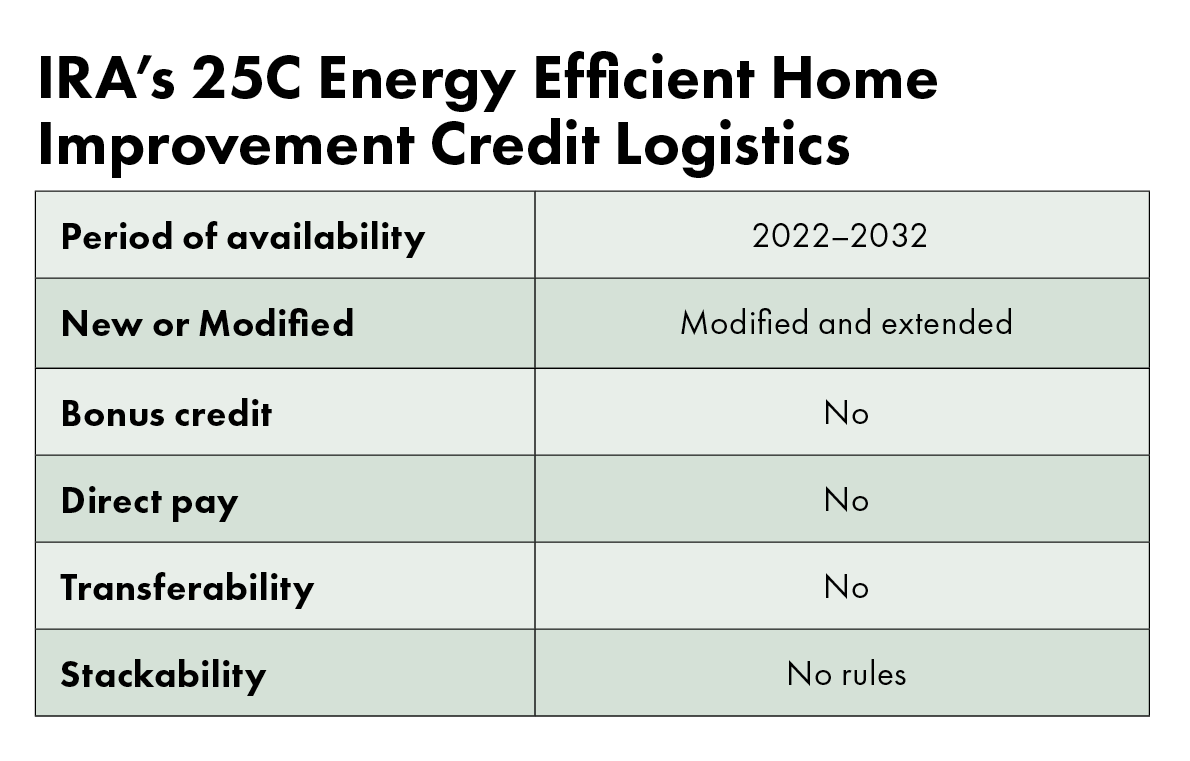
Ever feel like your house is practically guzzling energy? Or maybe you just dream of a cozier, more efficient living space? You're not alone! And guess what? Uncle Sam might be willing to help you out with that. We're talking about the 25C Energy Efficiency Home Improvement Tax Credit, a program designed to make eco-friendly upgrades more accessible to everyone.
So, why should you care? Well, imagine saving money on your energy bills every month. Picture a home that's warmer in the winter and cooler in the summer, without cranking up the thermostat and sending your utility bills through the roof. That's the potential power of energy efficiency. The 25C tax credit essentially rewards you for making smart choices that benefit both your wallet and the environment. It encourages homeowners to invest in upgrades that reduce energy consumption, lower carbon footprints, and ultimately, create more comfortable and sustainable homes.
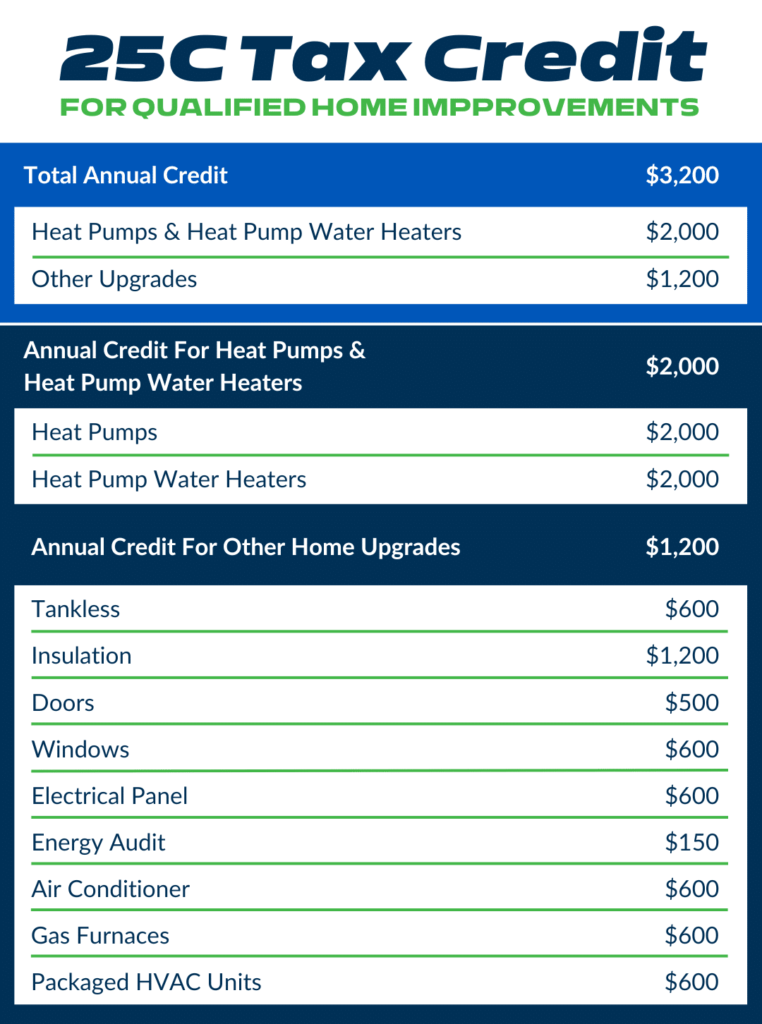
The purpose of the 25C tax credit is simple: to incentivize energy-efficient home improvements. It allows you to claim a percentage of the cost of certain qualified expenses as a credit on your federal income tax return. These expenses typically include things like energy-efficient windows, doors, insulation, and HVAC systems. The goal is to make these upgrades more affordable, leading to widespread adoption and a significant reduction in overall energy consumption across the country.
Must Read
But how does this play out in real life? Let's say you decide to replace your old, drafty windows with new, energy-efficient models. Not only will this improve your home's insulation, making it more comfortable and reducing energy loss, but you could also be eligible for a tax credit on a portion of the cost. Similarly, upgrading your outdated furnace or air conditioner to a more efficient model can also qualify. Even adding insulation to your attic or walls can make a difference, both in terms of energy savings and potential tax benefits.
In an educational setting, learning about the 25C tax credit can empower students to understand the importance of energy conservation and sustainable living. They can research different energy-efficient products, calculate potential energy savings, and even present their findings to their families and communities. This kind of hands-on learning can foster a lifelong commitment to environmental responsibility.
Ready to explore the 25C tax credit further? Here are a few simple steps to get started: First, research qualifying products. The Energy Star website is a great resource. Second, keep detailed records of all your expenses, including receipts and manufacturer specifications. Finally, consult with a tax professional to ensure you're claiming the credit correctly. Don't be afraid to ask questions and explore your options. Taking a little time to understand the 25C tax credit could lead to significant savings and a more comfortable, energy-efficient home for years to come. So, why not start your journey towards a greener, more affordable future today?


