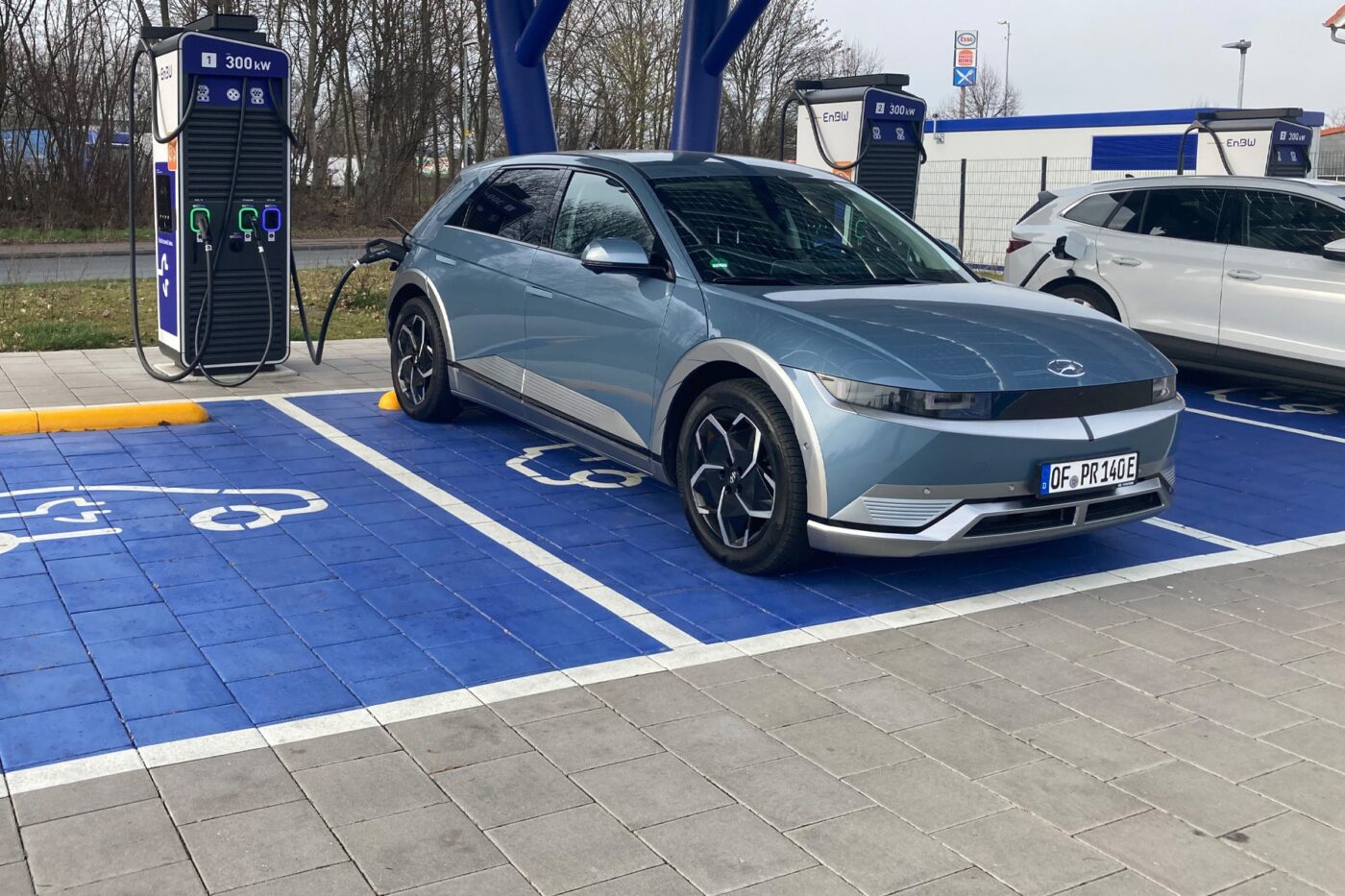
2024 Hyundai Ioniq 5 Battery Charge Time
Okay, so picture this: you're cruising down the highway in your shiny new Hyundai Ioniq 5, feeling all smug and eco-friendly. The wind's in your hair (or what's left of it, thanks to that last speeding ticket), and you're belting out Bohemian Rhapsody like you're Freddie Mercury reincarnated. Life is good. Until... that dreaded battery symbol starts blinking like a disco ball on its last legs.
Uh oh. Time to talk charging. And let's be honest, nobody really wants to talk charging. It's about as exciting as watching paint dry. But hey, stick with me, and I'll make it almost (almost!) bearable. We're diving deep into the 2024 Ioniq 5's battery charge time, so you don't end up stranded next to a bewildered cow, humming the wrong lyrics to Queen.
The Speed Demon: DC Fast Charging
Alright, let's get the headline act out of the way first. DC fast charging is the Usain Bolt of battery replenishment. We're talking serious speed here. The Ioniq 5, bless its electric heart, can handle up to 235kW. Now, what does that gibberish actually mean?
Must Read
Well, imagine your battery is a thirsty hippopotamus. DC fast charging is like hooking that hippo up to a fire hose filled with electrolyte goodness. With the right charger (and by "right" I mean a beefy 350kW charger, which are becoming more common, thankfully), you can juice up from 10% to 80% in as little as 18 minutes. Yes, you read that right. Less time than it takes to microwave a bag of popcorn (and probably less time than it takes me to explain this).
Of course, there are a few asterisks here. First, that 18-minute claim is under ideal conditions. Like, laboratory-level ideal. In the real world, factors like the battery's temperature and the charger's actual output can affect things. Think of it like baking a cake – the recipe might say 30 minutes, but your oven is a temperamental beast, so it usually takes 45.
Also, remember that charging speed tends to slow down as you approach 100%. It's like trying to squeeze the last bit of toothpaste out of the tube. It just takes longer and longer. That's why most people stop at 80% when using a fast charger. It's the sweet spot between convenience and avoiding battery fatigue.
The Overnight Guest: Level 2 Charging
Okay, DC fast charging is amazing for road trips and those "oops, I forgot to plug in" moments. But for everyday charging, you'll probably be using a Level 2 charger. This is like the chill, laid-back uncle of battery charging. It's slower, but it's also way more convenient and less likely to give your battery a stress-induced meltdown.
A Level 2 charger typically adds about 25-30 miles of range per hour of charging. So, if you've got the standard 77.4 kWh battery pack and you're starting from near empty, expect a full charge to take around 6-8 hours. Perfect for an overnight charge while you're catching some Z's (or binge-watching that show everyone's been talking about).
Most people install a Level 2 charger in their garage or driveway. It's basically like having your own personal gas station, except instead of the smell of gasoline, you get the sweet, sweet scent of smug eco-consciousness. Plus, many utility companies offer incentives for installing a Level 2 charger, so be sure to check your local regulations.
The Bare Minimum: Level 1 Charging
Level 1 charging? Oh, honey, no. Just kidding… sort of. This is the charging option that comes standard with the car – a regular old 120V outlet. It's painfully slow. Like, watching-paint-dry-in-slow-motion slow. We're talking maybe 3-5 miles of range per hour. So, if you're trying to fully charge from near empty, you're looking at days. Yes, plural.
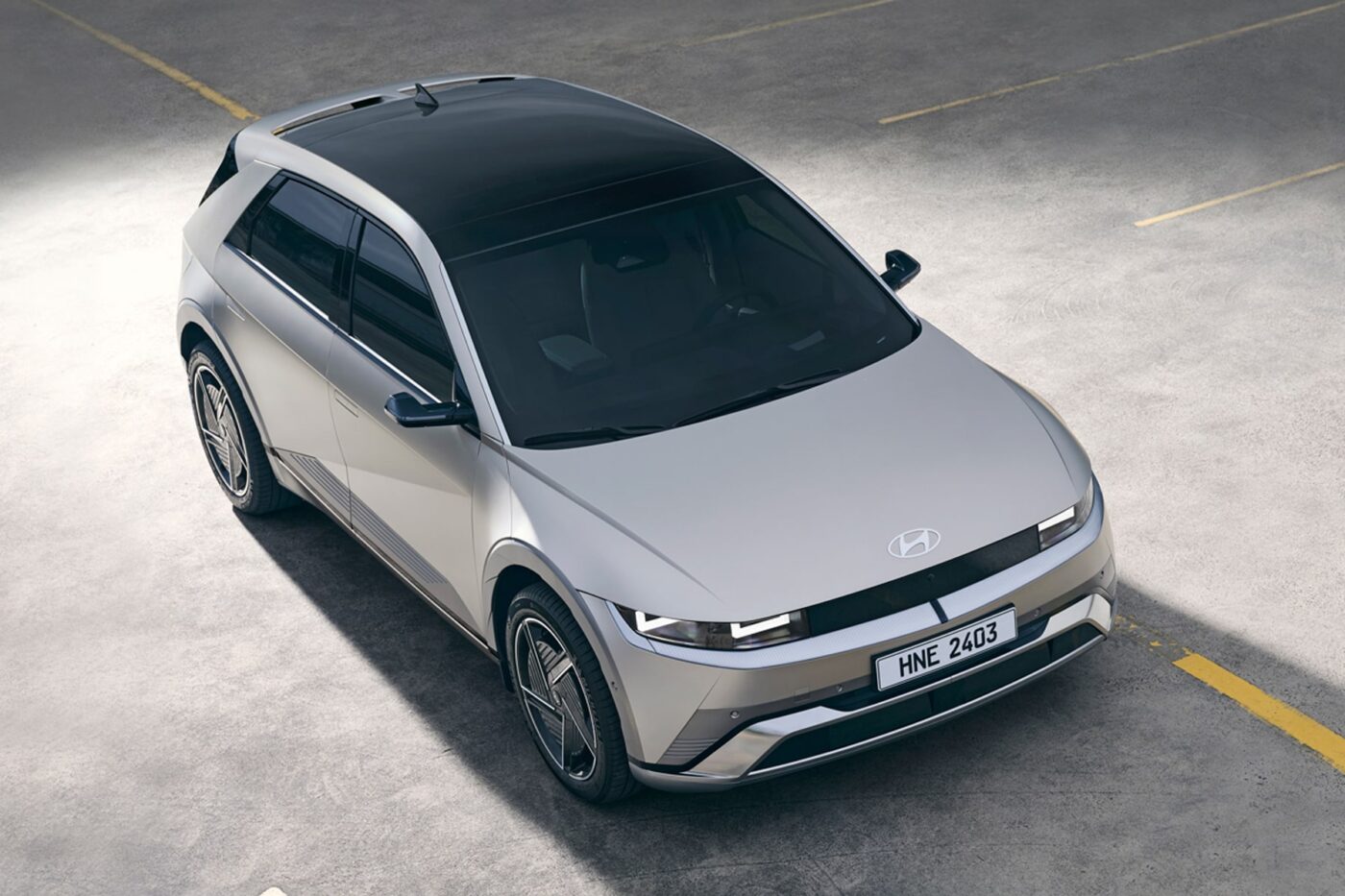
Level 1 charging is really only useful for topping off the battery or for emergencies. Think of it as the electric car equivalent of sipping on a thimble of water when you're stranded in the desert. It's better than nothing, but it's not exactly a sustainable solution.
Factors That Affect Charge Time (Because Life Isn't Simple)
So, we've talked about the different charging levels, but there are a few other things that can impact how long it takes to charge your Ioniq 5.
- Battery Temperature: Cold batteries charge slower. It's like trying to get a grumpy teenager out of bed in the morning. The car has to warm the battery up before it can start charging at full speed.
- Charger Output: Not all chargers are created equal. Even if a charger is rated for 350kW, it might not actually be delivering that much power.
- Battery Degradation: Over time, your battery's capacity will decrease slightly. It's just a natural part of the aging process. This can affect charging speeds and range.
- The Phase of the Moon: Okay, I'm kidding about this one. But seriously, sometimes it just feels like charging speeds are inexplicably slower. Blame the gremlins.
The Bottom Line (Before You Run Out of Juice)
The 2024 Hyundai Ioniq 5 offers impressive charging speeds, especially with DC fast charging. Understanding the different charging levels and the factors that can affect charge time will help you keep your Ioniq 5 humming along smoothly and avoid any awkward encounters with farm animals. Now, go forth and conquer the electric highway! Just, you know, remember to plug in.