
200 Amp Automatic Transfer Switch For Generator

Power outages. Ugh. We've all been there. Stumbling around in the dark. Fridge slowly warming. Frozen pizza thawing (a tragedy!).
But what if I told you there's a way to laugh in the face of darkness? A superhero for your house? Enter the generator.
But Generators Aren't Plug-and-Play... Are They?
Okay, generators are cool. But hooking them up? A tangled mess of extension cords? Flickering lights? No thanks!
Must Read
This is where the Automatic Transfer Switch (ATS) swoops in. Think of it as the brain of your backup power system.
And today, we're talking about a beefy one: the 200 Amp ATS.
200 Amps? Is That Like, a Lot?
200 amps is indeed a lot! It's like having a firehose of electricity ready to blast power to your entire home.
Think big screen TVs, air conditioning, maybe even that fancy electric car charger. All running smoothly during a power outage.
Now, here's my potentially unpopular opinion: you probably need more than you think. It's always better to overestimate your power needs a bit.
Why Bother with an Automatic Transfer Switch?
Why not just manually switch over? Well, because life's too short to fumble with breakers in the dark!
An ATS does the heavy lifting automatically. The power goes out, it senses the change, and bam the generator kicks in.
It's like having a tiny electrical engineer living in your utility room.

Safety First (and Second, and Third!)
Safety is paramount, people! Don't even think about backfeeding power into the grid. It's dangerous, illegal, and could fry your neighbor's toaster.
An ATS prevents this nightmare scenario. It isolates your home from the grid, ensuring that your generator power stays where it belongs: powering your stuff.
Think of it as a polite electric gatekeeper, keeping good power in and bad power out.
The Installation Conundrum
Let's be honest: installing a 200 Amp ATS isn't exactly a DIY project for the faint of heart. This isn't like changing a lightbulb.
Unless you're a licensed electrician with a penchant for adventure, it's best to call in the pros. Seriously. Don't electrocute yourself trying to save a few bucks.
Finding a good electrician is key. Get multiple quotes, check their credentials, and make sure they're comfortable working with automatic transfer switches.
Permits? Oh Joy!
Ah, permits. The bane of every homeowner's existence. But they're necessary.
Your electrician should handle the permit process, ensuring that your installation meets all local codes and regulations.

Think of permits as the official "okay" from the electrical gods. They're saying, "Yes, you may now power your home with a generator without burning down the neighborhood."
The Cost Factor: Is It Worth It?
Let's address the elephant in the room: 200 Amp ATS systems aren't cheap. You're looking at a significant investment.
But consider the alternative: spoiled food, frozen pipes, and the sheer inconvenience of being without power.
For some, the peace of mind alone is worth the cost. My unpopular opinion: if you can swing it, it's worth the investment. Think of it as an insurance policy against the inconvenience of power outages.
Long-Term Savings? Maybe!
While the initial cost is high, you might actually save money in the long run. Okay, maybe not save money, but avoid costly problems.
Think about preventing frozen pipes bursting in the winter, or your entire fridge of groceries going bad.
Plus, if you work from home, having backup power can prevent lost income due to power outages.
Choosing the Right ATS: Brands and Features
Not all automatic transfer switches are created equal. There are various brands and features to consider.
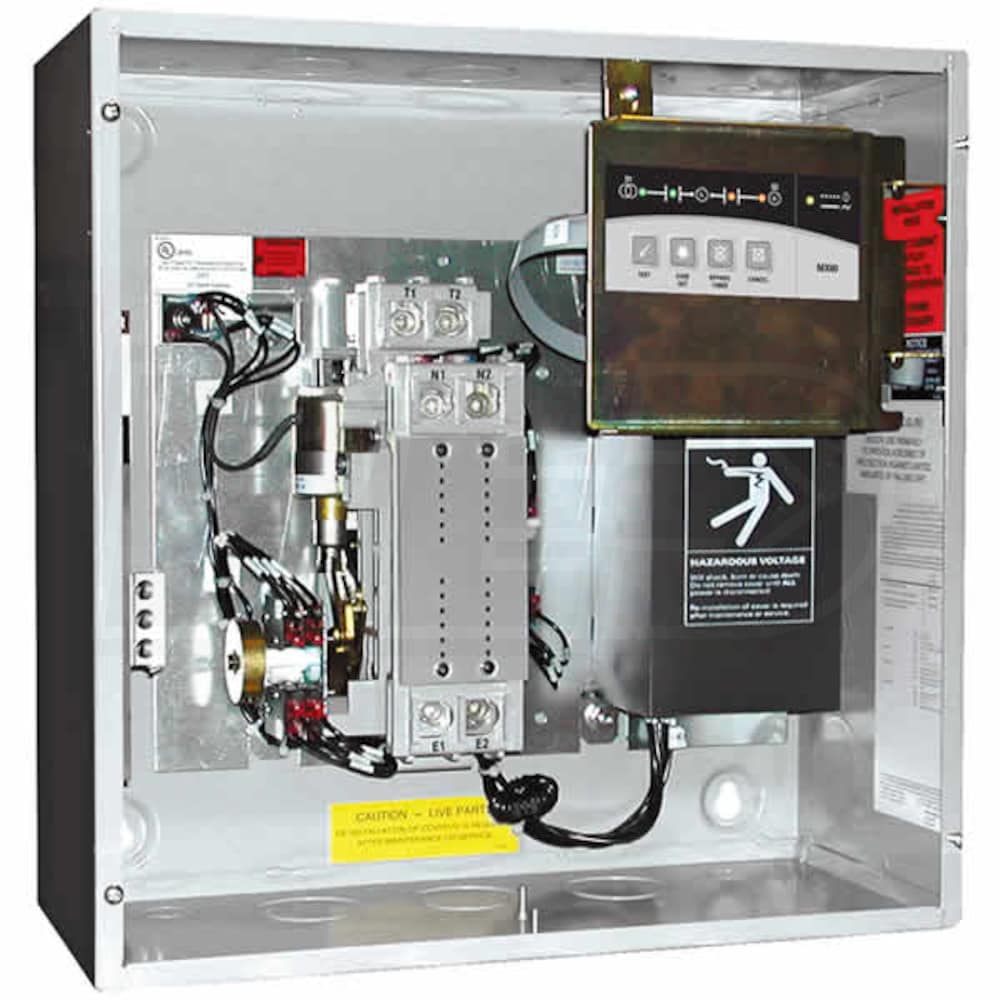
Look for a reputable brand with a good warranty. Read reviews and talk to your electrician about their recommendations.
Some ATS units have advanced features like remote monitoring and control. Fancy!
Size Matters (Especially Wire Size!)
When dealing with 200 amps, proper wire sizing is absolutely crucial. Don't skimp on this!
Undersized wires can overheat and cause a fire. Your electrician will ensure that the wiring is properly sized to handle the load.
Think of it as building a strong foundation for your electrical system. You wouldn't build a skyscraper on a flimsy base, would you?
Maintaining Your ATS: A Little TLC Goes a Long Way
Like any piece of equipment, your ATS needs occasional maintenance.
Regularly inspect the unit for any signs of damage or corrosion. Clean it periodically to remove dust and debris.
And most importantly, test it regularly! Run your generator and make sure the ATS switches over properly. My unpopular opinion? Make it a monthly ritual.

Battery Backup? A Good Idea!
Some ATS units have a battery backup to ensure they can operate even if the power is completely out.
This can be a lifesaver in certain situations. Consider adding a battery backup for added peace of mind.
Think of it as a tiny electrical safety net, just in case the main power source fails.
The Future of Backup Power
Backup power is becoming increasingly important as our reliance on electricity grows. We use more electronics than ever.
Automatic Transfer Switches are becoming more sophisticated and affordable, making backup power more accessible to homeowners.
Who knows, maybe someday every home will have a 200 Amp ATS as standard equipment. A power outage free world. One can dream!
Embrace the Power!
So, there you have it. The 200 Amp Automatic Transfer Switch: your knight in shining armor (or maybe just a metal box) against the dreaded power outage.
It might seem like a complex topic, but hopefully, this article has shed some light on the subject.
Now go forth and conquer the darkness! (Responsibly, of course).