20 Amp Outlet On A 15 Amp Circuit
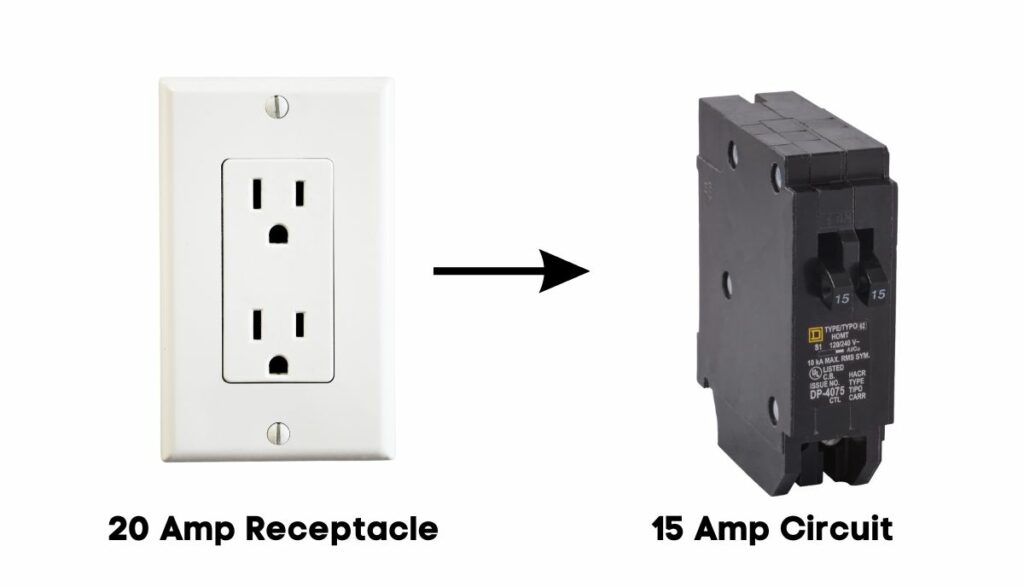
We all love our gadgets, our powerful tools, and our essential home appliances. From that brand-new air fryer to the mighty circular saw in the garage, modern life often demands a hefty dose of electrical juice. It’s natural to want to power up everything we own, and sometimes, in our quest for convenience, we might eye an outlet and wonder if we can just... make it work. Today, we're diving into a topic that might seem tempting on the surface but holds some serious hidden dangers: putting a 20 Amp outlet on a 15 Amp circuit.
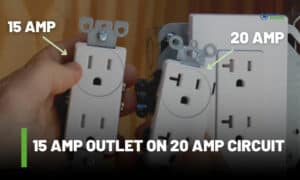
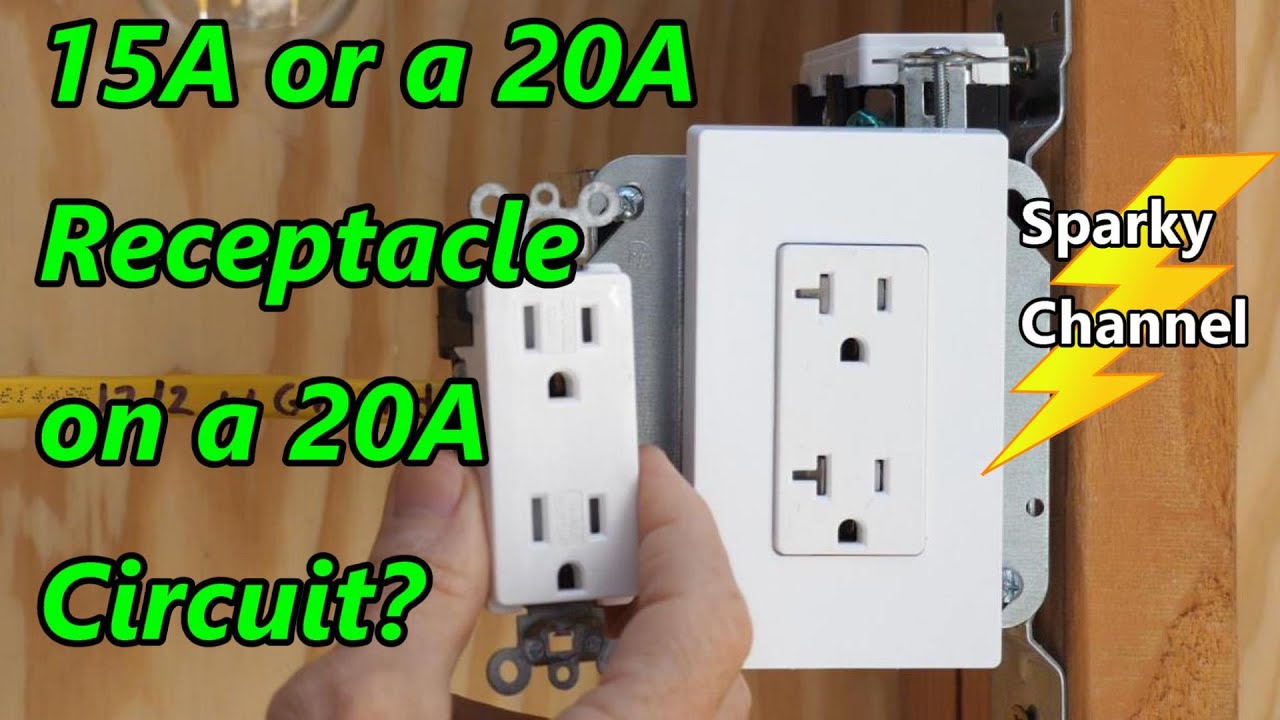
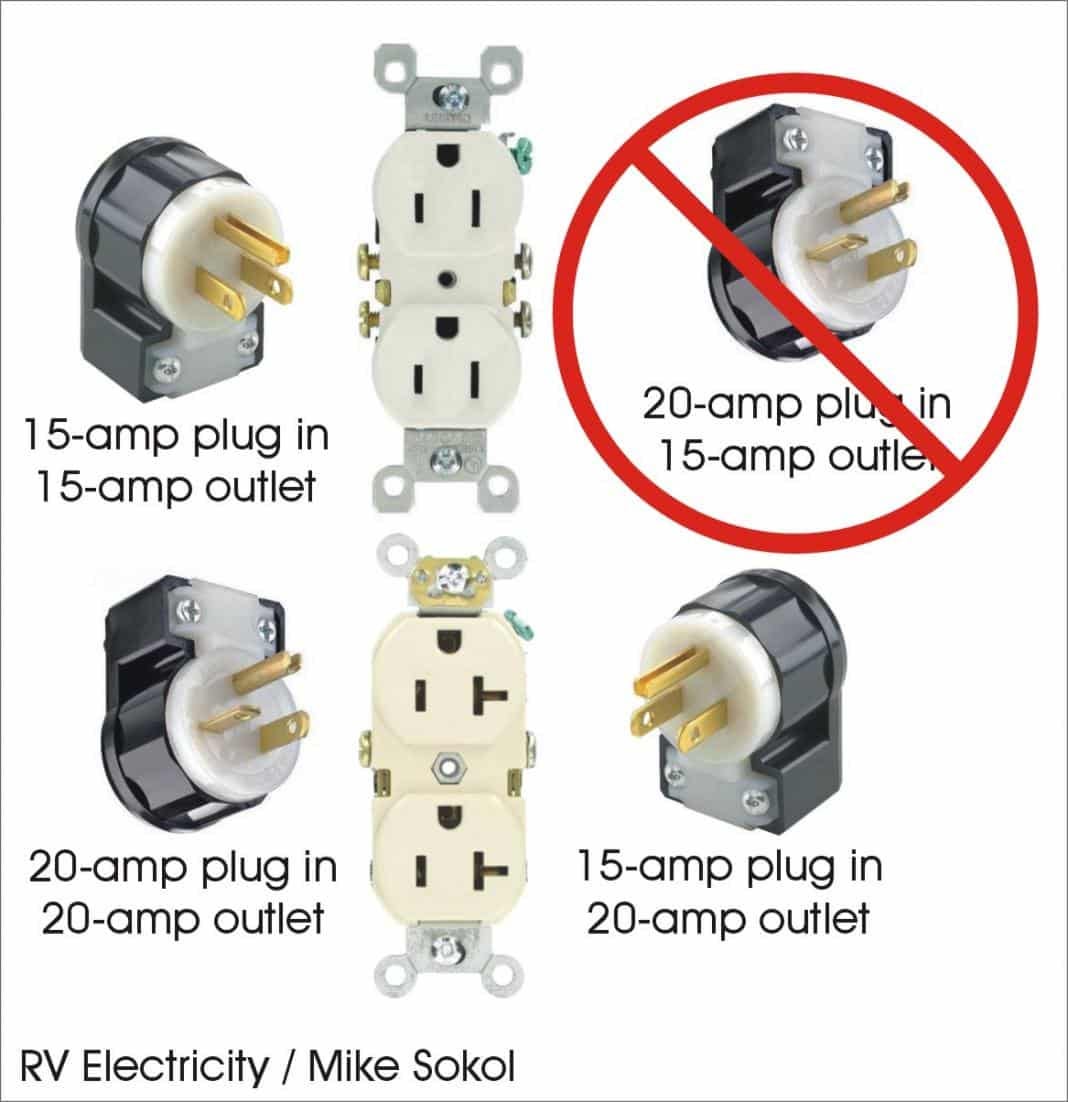
Now, let's get one thing straight right off the bat: this is a really bad idea, and potentially extremely dangerous. The idea itself might stem from a desire to plug in a tool with a bigger prong (a 20-amp outlet has a horizontal slot for one of its prongs, unlike the straight parallel slots of a 15-amp outlet). You might think, "Well, it fits, so it must be fine, right?" Wrong. Electrical systems are designed with precise safety measures for a reason.
The "purpose" of having different amp ratings for circuits and outlets isn't to create confusion; it's to protect you and your home. A 15-amp circuit is designed to handle a maximum flow of 15 amps of electricity. It has a circuit breaker that will "trip" and shut off the power if too much current is drawn, preventing overheating wires and potential fires. A 20-amp circuit, on the other hand, is built with thicker wires capable of safely carrying more current and has a 20-amp breaker to match. When you put a 20-amp outlet on a 15-amp circuit, you're essentially creating a false sense of security. You're telling your appliances, "Come on in, the water's fine!" when really, the plumbing (your 15-amp wiring) is too narrow to handle the increased flow. The outlet might accept the plug, but the hidden wiring is at risk.
Must Read
Common examples of items that typically need a dedicated 20-amp circuit include powerful workshop tools like large table saws, air compressors, or even some heavy-duty kitchen appliances like professional-grade blenders or certain microwaves. These devices are built to draw more power, and they expect the circuit to be able to deliver it safely. Trying to run them on an undersized 15-amp circuit, even with the "right" outlet, can lead to repeatedly tripped breakers, overheating wires behind your walls, and ultimately, a significant fire hazard. The outlet is just the entryway; the important part is the highway system behind it.
So, how can you "enjoy" your power needs more effectively and, most importantly, safely?
- Know Your Needs: Before buying a high-power appliance, check its electrical requirements. Does it need a 15-amp or 20-amp circuit?
- Check Your Breaker Box: Take a look at your circuit breaker panel. The breakers are usually labeled with their amperage. This tells you what your circuits are rated for.
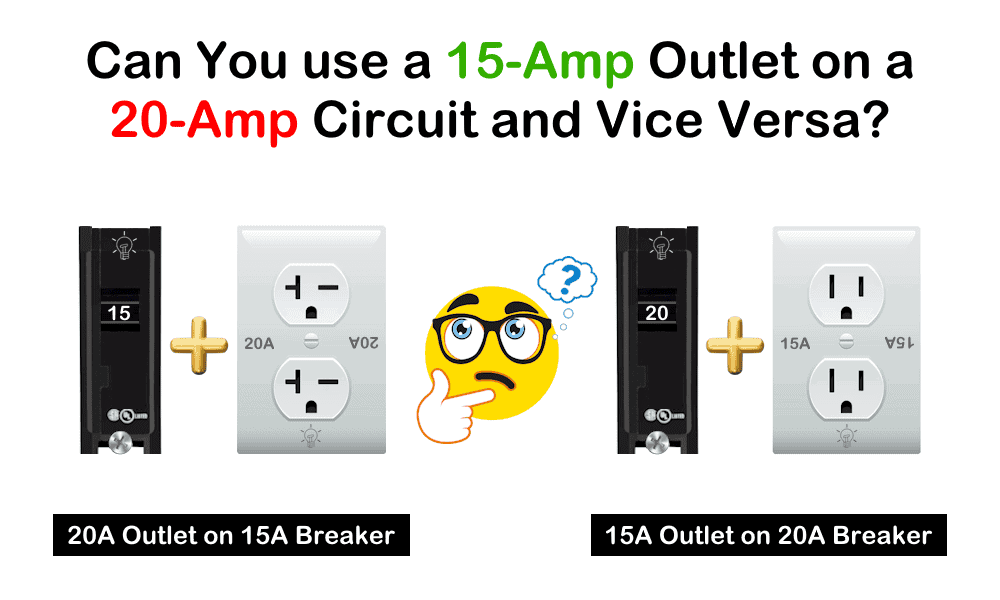
- Match and Protect: Always match the outlet type to the circuit breaker's amperage. A 15-amp circuit should have 15-amp outlets (standard residential outlets), and a 20-amp circuit should have 20-amp outlets. Never put a 20-amp outlet on a 15-amp circuit.
- When in Doubt, Call a Pro: If you need a new 20-amp circuit for a specific appliance or tool, always hire a licensed electrician. They can assess your home's electrical capacity, install the correct gauge wiring, and ensure your new circuit is properly protected by the right breaker. This isn't a DIY project for the average homeowner.
Understanding and respecting your home's electrical system is key to keeping your family and your property safe. While the allure of simply plugging something in might be strong, prioritizing safety by ensuring your circuits and outlets are correctly matched is always the smartest, most entertaining choice in the long run.