1800 Sq Ft House Ac Unit Size
Ever walked into a home that felt like a perfect oasis on a sweltering summer day? Or perhaps you've experienced the opposite – an AC unit working overtime, yet the house never quite cools down? Figuring out the right size air conditioner for your home, especially a common size like an 1800 square foot house, isn't just a dry technicality; it's about unlocking maximum comfort, saving money, and enjoying your living space to the fullest! It’s a popular topic because everyone wants to be comfortable without breaking the bank, and getting this right is key to that sweet spot of cool efficiency.
So, who benefits from understanding this seemingly niche topic? For beginners and first-time homeowners, grasping the basics of AC sizing helps you avoid costly mistakes. You'll understand why your contractor talks about "tons" and "BTUs" and be able to ask informed questions. For families, the payoff is immediate: consistent comfort for everyone, lower energy bills because the unit isn't constantly struggling, and better humidity control which leads to a healthier indoor environment. Even home improvement enthusiasts or hobbyists will appreciate the deeper knowledge, empowering them to make smarter choices for their own projects or even to offer helpful advice to friends.
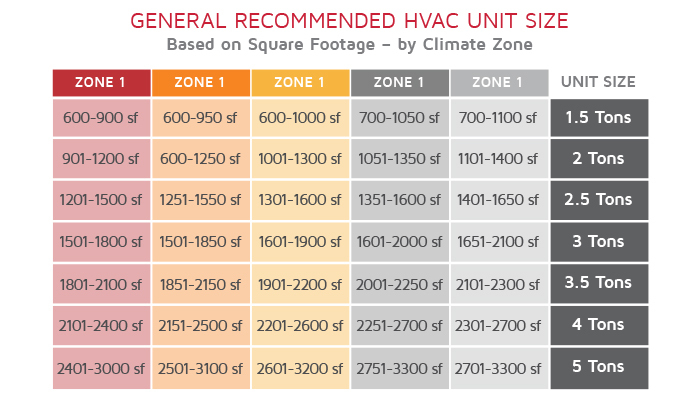
Let's talk specifics for an 1800 sq ft house. A common starting point often bandied about is a 3 to 3.5 ton AC unit (that's roughly 36,000 to 42,000 BTUs). But here's where it gets interesting – that's just a guideline! The variations are what truly matter. Factors like your local climate (is it scorching hot and humid like Florida, or milder like parts of the Pacific Northwest?), the quality of your home's insulation, the number and type of windows (south-facing windows can bring in a lot of heat!), ceiling height, and even the number of people and heat-generating appliances in your home, all play a significant role. A leaky, old house with poor insulation will need more cooling power than a modern, energy-efficient one of the exact same size.
Must Read
Ready to get started on your quest for perfect indoor climate? Here are some simple, practical tips. First and foremost, don't guess. The absolute best thing you can do is have a qualified HVAC professional perform a "Manual J load calculation." This scientific assessment takes into account all those variations we just discussed and tells you precisely how much cooling power your specific home needs. Second, resist the urge to think "bigger is better." An oversized AC unit will cool your home too quickly, then shut off (this is called short cycling). It never runs long enough to properly dehumidify, leaving you feeling clammy and uncomfortable, plus it uses more energy. Conversely, an undersized unit will run constantly, never quite catching up, leading to high energy bills and a perpetually warm house.
In conclusion, while the idea of sizing an AC unit might sound complicated, it’s actually a journey towards a more comfortable, efficient, and enjoyable home. By understanding the basics, you're not just buying a machine; you're investing in your family's comfort, saving money on energy bills, and making a smart decision that pays off daily. Getting it right brings that delightful feeling of walking into a perfectly cooled home, a truly priceless enjoyment on a hot day.