
1800 A Month Is How Much An Hour
Ever found yourself staring at a monthly salary figure, wondering, "Okay, but what does that actually break down to per hour?" It's a question as old as paychecks themselves, whether you're eyeing a new job, budgeting for a big purchase, or just trying to get a handle on your financial reality. Let's peel back the layers and make sense of what $1800 a month looks like on an hourly basis, with a little fun along the way!
The Quick & Dirty Calculation: Four Weeks Strong
Most of us, when doing a quick mental calculation, tend to think of a month as having exactly four weeks. It's easy, it's tidy, and it gives us a good ballpark figure to start with. So, if you're working a standard full-time gig of 40 hours a week, that means you're clocking in about 160 hours a month (4 weeks x 40 hours/week).
Using this handy shortcut, if you divide your $1800 monthly income by 160 hours, you land at:
Must Read
$1800 / 160 hours = $11.25 per hour.
Voila! A neat eleven dollars and twenty-five cents. This is often the figure people use for quick budgeting or comparing job offers.
Getting Granular: The Real Deal (Almost)
Now, let's get a little more precise, because as we all know, not every month has exactly four weeks. Most months stretch a bit further. On average, there are about 4.33 weeks in a month (52 weeks in a year / 12 months). This small difference can actually nudge your hourly rate down a little.
So, a full-time worker usually puts in about 173.2 hours a month (4.33 weeks x 40 hours/week). Let's do the math with this slightly more accurate number:
$1800 / 173.2 hours = approximately $10.39 per hour.
See? It's not a huge jump, but that extra 86 cents per hour (compared to the $11.25 calculation) can add up, especially when you're thinking about things like taxes or those little everyday splurges. It's a good reminder that every penny truly counts!
What Does $10.39 - $11.25 An Hour Really Mean?
Beyond the numbers, what does this hourly rate translate to in your daily life? Imagine a busy weekday. That morning coffee? That's probably about 20-30 minutes of your hard work. Your lunch break? Depending on what you grab, that could be an hour or more. Suddenly, those seemingly small expenses start to feel a bit more substantial.

It's interesting to consider that for many, this range represents a foundational income. It's enough to cover basic necessities, but often requires careful planning to stretch through the month. Think about it: a popular streaming service might cost you about 1-2 hours of work each month. A trip to the grocery store could be 5-10 hours, depending on your shopping list. It makes you appreciate the value of your time, doesn't it?
Making Every Hour Count: Practical Tips
Understanding your hourly wage is just the first step. Here's how to make those hours work smarter for you:
- Budget Like a Boss: This is non-negotiable. Knowing where every dollar goes helps you optimize your spending. Apps like Mint or YNAB can be game-changers. Remember, it's not about restricting yourself, but about being intentional with your money.
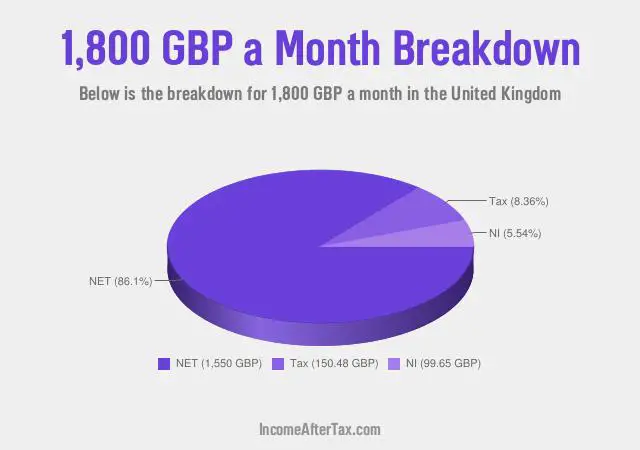
- Gross vs. Net: Always remember that your $1800 a month is usually your gross pay (before taxes and deductions). What actually lands in your bank account (your net pay) will be less. Factor this into your budgeting!
- Skill Up: Investing in new skills, even through free online courses or library resources, can significantly increase your earning potential over time. Think of it as investing in your future hourly rate!
- Mindful Spending: Before hitting "add to cart," take a moment. How many hours did you work to earn that item? Sometimes, this mental calculation is enough to reconsider a purchase.
- Side Hustles: If your monthly income isn't quite cutting it, consider a side hustle. Whether it's freelancing, dog walking, or selling crafts online, those extra hours can significantly boost your overall earnings and give you more breathing room.
A Little Perspective
Globally, what $10-$11 an hour can buy varies wildly. In some countries, it's a princely sum; in others, it's a tight squeeze. Even within the same country, geographical location plays a huge role in the cost of living. So, while the numbers give us a baseline, your personal financial journey is unique.
Knowing your hourly rate isn't just a number game; it's a powerful tool for understanding your worth, making informed financial decisions, and ultimately, shaping the lifestyle you aspire to. Whether you're saving for a dream vacation, paying off debt, or simply ensuring you have enough for daily essentials, every hour you work contributes to that goal.
So, the next time you look at your paycheck, take a moment to appreciate the true value of your time and effort. It's more than just a number; it's the currency of your life.