1/8 7018 Welding Rod Amperage
Ever gazed at a beautifully executed weld, a perfect bead of molten metal that solidifies into a strong, unwavering bond? It's a bit like magic, isn't it? But behind that magic lies a fascinating science, and one of the most crucial ingredients in a welder's toolkit is understanding amperage. If you've ever heard of a 7018 welding rod, you're already on the path to exploring one of the true workhorses of the welding world. And when we talk about its amperage, we're essentially discussing the "volume control" for its power – a subtle art that makes all the difference between a weak splutter and a mighty, flawless connection.
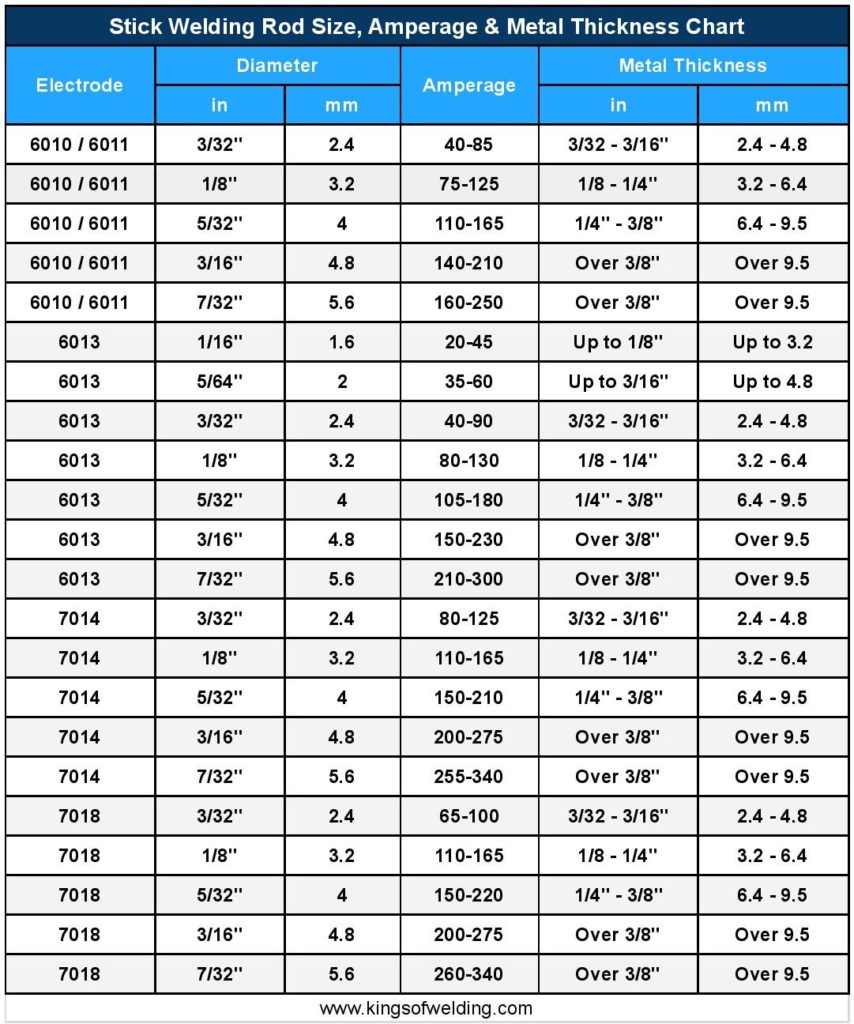
So, what exactly are we talking about? A 1/8 7018 welding rod is a specific type and size of electrode. The "7018" tells us it's a low-hydrogen, all-position rod, famous for producing exceptionally strong, ductile welds, especially on structural steel. The "1/8" refers to its diameter, a very common size for a variety of projects. Now, amperage is the measure of electrical current, essentially how much heat the welding machine is pushing through that rod. Its purpose is singular: to melt the rod and the base metal consistently, creating a molten pool that fuses perfectly. The benefits of getting this right are enormous. Proper amperage means a stable, smooth arc, excellent penetration into the base metal, minimal spatter, and a beautiful, strong weld that you can trust. Too low, and your rod will stick constantly; too high, and you'll burn through your material or create a weak, undercut weld. Finding that sweet spot is key!
You might wonder where this seemingly technical knowledge fits into the real world. Well, understanding 1/8 7018 rod amperage is a fundamental lesson in almost every welding school and vocational program. Students spend hours meticulously adjusting their machines, practicing on different thicknesses of metal, and learning to "read" the arc and the weld puddle to achieve perfection. In daily life, this skill is indispensable for countless professionals and hobbyists. Think of the strong frames of trailers, the secure joints of a sturdy gate, or the robust repairs on heavy farm equipment – chances are, a skilled hand working with a 7018 rod, carefully controlling the amperage, was behind those durable connections. Farmers and ranchers often rely on 7018 to fix broken machinery or reinforce fences, while metal fabricators use it for structural components where strength is paramount. It's truly about building things that last.
Must Read
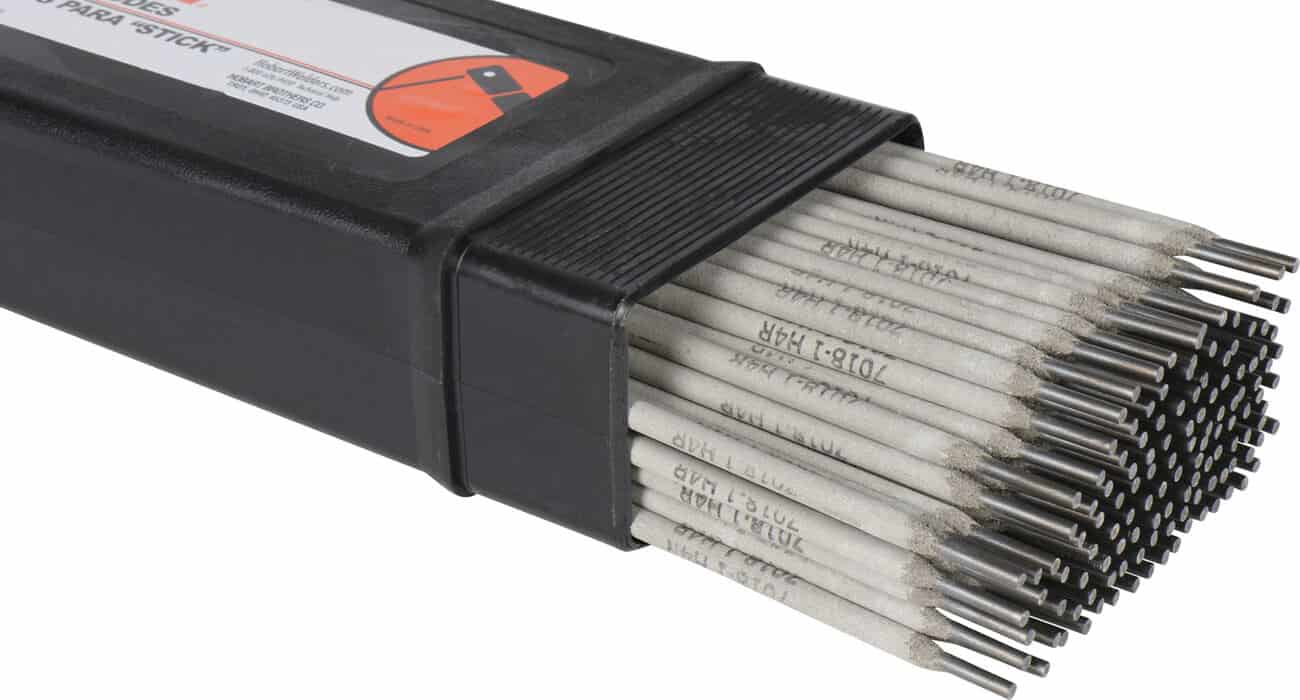
Ready to explore this a little yourself? While operating a welder requires proper training and safety gear, you can begin by simply observing. If you know someone who welds, ask them to show you how they adjust their machine's amperage for a 1/8 7018 rod. Notice how the sound of the arc changes – a good weld has a consistent, sizzling sound. Watch the weld puddle: a properly set amperage will show a smooth, flowing puddle that "wets" into the base metal nicely. Too cold, and it will look chunky and piled up; too hot, and it will be too fluid, perhaps digging into the edges of the weld (undercut). A great practical tip is to always start with the manufacturer's recommended amperage range, usually found right on the rod's packaging, and then fine-tune from there. The best way to truly grasp it? Practice, practice, practice! Start on scrap metal, making small 5-10 amp adjustments, and visually inspect the results. Remember, safety always comes first – always wear appropriate personal protective equipment, including a welding helmet, gloves, and protective clothing. Dive in, stay curious, and you'll soon appreciate the subtle art of amperage control!