18 0 Stainless Steel Vs 18 10
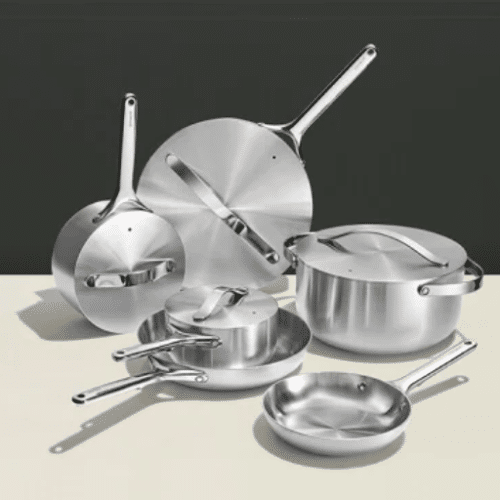
Ever gazed at a shimmering fork or a sleek saucepan and wondered about its secret life? We're talking about stainless steel, that unsung hero of our kitchens and dining tables. It's strong, it's stylish, and it resists rust – mostly. But like a secret ingredient in a gourmet dish, there's often more to it than meets the eye. Today, we're diving into the delightful dilemma of 18/0 vs. 18/10 stainless steel. Think of it as choosing between a casual, chic outfit and a dazzling, designer ensemble for your culinary adventures.
Those numbers aren't just random digits; they're the secret code to understanding your metal. Both "18/0" and "18/10" refer to the percentage of chromium and, crucially, nickel in the alloy. The "18" means it contains 18% chromium, which is the magic ingredient that gives stainless steel its legendary resistance to rust and corrosion. It's like the superhero cape of the metal world!
Decoding the "0" and the "10"
This is where our two contenders diverge. The second number tells you the percentage of nickel. So, 18/10 stainless steel boasts 10% nickel, while 18/0 stainless steel contains 0% nickel. Simple, right? But these small differences lead to some pretty significant practical implications.
Must Read
18/10: The Luxe Life, A Polished Performer
Let's start with the one often considered the gold standard: 18/10 stainless steel. That 10% nickel content isn't just for show; it's a game-changer. Nickel adds an extra layer of corrosion resistance, making your cutlery and cookware even more impervious to rust spots, even after countless trips through the dishwasher. This is why you'll often find it in high-end restaurant kitchens and on elegant dining tables. It's the kind of steel that whispers, "I'm here to impress."
Beyond its robust nature, 18/10 has a distinctive aesthetic. It boasts a brighter, more brilliant luster and a smoother finish. Think of that dazzling shine that makes a well-set table sparkle. It feels more substantial, too, often having a pleasing weight in your hand, signaling quality and durability. For families who rely heavily on dishwashers, or for those who appreciate items that maintain their pristine appearance for years, 18/10 is often the preferred choice. It's truly a long-term investment that pays off in elegance and resilience.

18/0: The Practical Pal, A Smart Choice
Now, let's turn our attention to the wonderfully versatile 18/0 stainless steel. Don't let the lack of nickel fool you; this material is a fantastic workhorse! Its primary advantage is its affordability. Since nickel is a relatively expensive metal, removing it significantly reduces production costs, making 18/0 stainless steel a more budget-friendly option without sacrificing too much performance.
While it might not have the same super-bright sheen as its 18/10 cousin, 18/0 still offers excellent functionality and resistance to rust, especially with proper care. It's often found in everyday cutlery sets, children's dinnerware, and utility kitchen tools. Another cool perk? Because it lacks nickel, 18/0 stainless steel is magnetic. This makes it perfect for magnetic knife strips – a fun little fact that might just solve your kitchen storage woes!

For those with nickel sensitivities or allergies, 18/0 is the obvious and safest choice. It's also typically lighter in weight, which can be a plus for larger sets or for little hands. While it might show rust spots more easily if left to air dry or exposed to harsh detergents without rinsing, it's still incredibly durable for daily use. It's the practical, no-fuss friend who's always there when you need them.
Which One Should You Choose?
This isn't a battle of good versus evil; it's about finding the right fit for your life and your kitchen.
Consider 18/10 if:
- You want the absolute best in corrosion resistance and don't want to worry about rust spots.
- You appreciate a brilliant, lasting shine and a heavier, more premium feel.
- You use a dishwasher frequently and want peace of mind.
- Your budget allows for a higher initial investment in long-lasting quality.
Opt for 18/0 if:
- You're looking for a more affordable option without compromising too much on durability.
- You or someone in your household has a nickel allergy.
- You prefer lighter cutlery or need something magnetic.
- You're happy to hand wash or take a little extra care (like immediate drying) to prevent potential spotting.
Beyond the Numbers: A Touch of Care
No matter which number you choose, remember that a little TLC goes a long way. Always rinse your stainless steel items promptly after use, especially if they've been in contact with acidic foods like tomato sauce or citrus. Avoid abrasive scrubbers that can dull the finish, and if you do see a stubborn water spot, a quick polish with a soft cloth and a dab of white vinegar can work wonders. Even the most robust 18/10 can benefit from a little love!
Ultimately, whether you're swiping a sturdy 18/0 spoon through your morning oatmeal or serving a special dinner with gleaming 18/10 silverware, the joy comes from the simple act of using tools that make life easier and more beautiful. Understanding these little details, like the difference between a "0" and a "10," empowers us to make smarter choices that fit our lifestyle and budget, adding a touch of informed elegance to our everyday routines. It's a subtle reminder that even in the most mundane objects, there's a story of design, chemistry, and purpose.