
17-4 Ph Stainless Maximum Service Temperature
Ever wonder why some things last, and others… well, don’t? Like that bargain bin spatula that melted the first time you tried to flip a burger? Or maybe your grandpa’s trusty old pocketknife that’s been through thick and thin (and still sharp!)? A lot of it comes down to the materials things are made from, and how they handle heat.
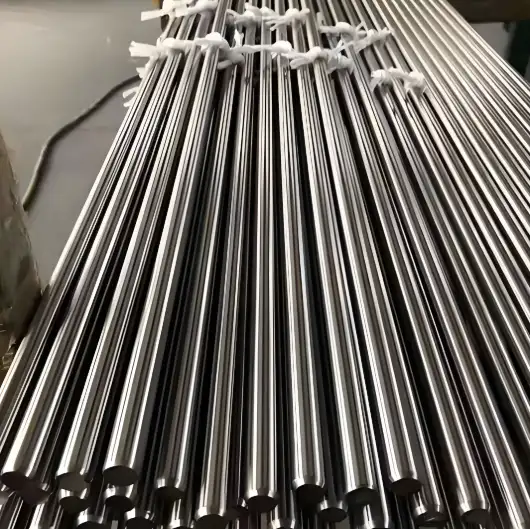
Today, let’s talk about a pretty cool material called 17-4 PH stainless steel. Think of it as the superhero of the metal world, known for its strength and resistance to corrosion. But even superheroes have their limits! We're going to zoom in on one specific limit: its maximum service temperature.
So, What's the Buzz About Temperature?
Simply put, the maximum service temperature is the hottest temperature a material can handle while still doing its job properly. Go beyond that, and things start to go south. Think of it like this: you can run a marathon, but if you try to run it on the surface of the sun, you're going to have a bad time (understatement of the century!).
Must Read
For 17-4 PH stainless steel, the maximum service temperature is usually around 315°C (600°F) to 482°C (900°F), depending on how it's been treated (think of it like giving the superhero different training regimes).
But why should you care? Well, imagine using a 17-4 PH steel component in something that gets way too hot. Maybe it's a part in an engine, or a piece of equipment in an industrial oven. If the temperature climbs too high, the steel can start to lose its strength, its corrosion resistance can weaken, and it might even warp or crack. And that, my friends, can lead to serious problems – from equipment failure to safety hazards. Nobody wants that!

Why Does Temperature Matter to 17-4 PH Steel?
Think of 17-4 PH stainless steel as having a special structure, almost like a perfectly organized Lego creation. Heat can mess with that structure. At higher temperatures, the steel's internal structure can change, causing the formation of unwanted phases. These phases can weaken the material and make it more susceptible to corrosion.
It's like leaving your Lego castle out in the sun – the pieces might warp and become brittle, and the whole thing could collapse. The same principle applies to steel, only on a microscopic level.
The exact temperature at which these changes occur depends on several factors, including the steel's composition and the specific heat treatment it has undergone. Heat treatment is like giving the Lego builder a special set of instructions to make the castle extra strong!

Real-World Examples: Where This Matters
Okay, so we've talked about the theory, but where does this actually matter in real life? A lot more than you might think!
- Aerospace: Aircraft components, like engine parts or structural elements, often rely on 17-4 PH stainless steel. But jet engines get incredibly hot! Engineers need to carefully consider the temperature limits to ensure these parts can handle the heat without failing.
- Medical Devices: Some surgical instruments and implants use 17-4 PH stainless steel for its strength and corrosion resistance. Sterilization processes, which involve high temperatures, need to be carefully controlled to avoid damaging the material.
- Oil and Gas: In the oil and gas industry, equipment used in drilling and processing can be exposed to high temperatures and corrosive environments. Choosing the right materials, and understanding their temperature limits, is crucial for safety and reliability.
- Manufacturing: Tools and dies used in manufacturing processes can also experience high temperatures. Think of the molds used to make plastic parts, or the cutting tools used to shape metal.
In each of these examples, exceeding the maximum service temperature of 17-4 PH stainless steel could have serious consequences. It could lead to equipment failure, production delays, or even safety hazards. That’s why engineers and designers spend a lot of time thinking about temperature!

What Can Be Done?
Fortunately, there are ways to mitigate the effects of high temperatures. Here are a few strategies:
- Material Selection: Sometimes, 17-4 PH stainless steel isn't the best choice for very high-temperature applications. There are other materials, like nickel-based alloys, that can handle the heat much better.
- Cooling Systems: In some cases, it's possible to use cooling systems to keep the 17-4 PH steel components below their maximum service temperature. Think of it like having a built-in air conditioner for your superhero!
- Heat Treatment Optimization: As mentioned earlier, the heat treatment process can significantly affect the temperature resistance of 17-4 PH stainless steel. Choosing the right heat treatment can improve its high-temperature performance.
- Careful Design: Sometimes, the design of a component can be modified to reduce the stress on the material at high temperatures.
So, the next time you see something made of stainless steel, remember that there's a lot of science and engineering that goes into making sure it can handle the heat. It's not just about looking shiny; it's about lasting a long time and keeping things safe! Think of it as a quiet hero, working hard behind the scenes to keep our world running smoothly.
Understanding the maximum service temperature of materials like 17-4 PH stainless steel is crucial for designing reliable and safe products. It might not be the most exciting topic at a party, but it’s definitely important! And now, you can impress your friends with your newfound knowledge about the thermal limits of superhero steel.
