15 Amp Outlets On 20 Amp Circuit
Ever found yourself staring at an electrical outlet, perhaps while plugging in your coffee maker, and thought, "What's really going on behind that little faceplate?" Maybe not. But today, we're tackling a curious quirk of home wiring: the fabulous, intriguing, and slightly misunderstood world of 15 amp outlets on 20 amp circuits.
Before you picture sparks or tiny electrical gnomes whispering warnings, let's keep it light. This isn't about home renovation projects. It's a gentle nod to the cleverness of our electrical systems. And perhaps, a playful challenge to some of the internet's more enthusiastic, but sometimes misinformed, armchair electricians.
The "Mystery" Unveiled
You see a standard household outlet: two vertical slots and a round ground hole. It says "15A" on the back, or you just know it's regular. Then, you peek into your electrical panel and spot the breaker for that circuit. Lo and behold, it's a 20 amp breaker!
Must Read
Aha! A conspiracy! An oversight! A recipe for disaster, surely? Many folks might scratch their heads, even hit the forums asking:
"Is it safe to put a 15 amp outlet on a 20 amp circuit?!"The internet, bless its heart, often provides a mix of wise advice and absolute panic.
Why It's Perfectly A-OK
Let's clear the air. This setup isn't just common; it's up to code and perfectly safe. In fact, it's often intended. The circuit breaker is the real boss. Its job is to protect the wiring behind the walls. If you try to pull too much power through those wires – more than 20 amps for a 20-amp circuit – the breaker trips. It's like a bouncer.
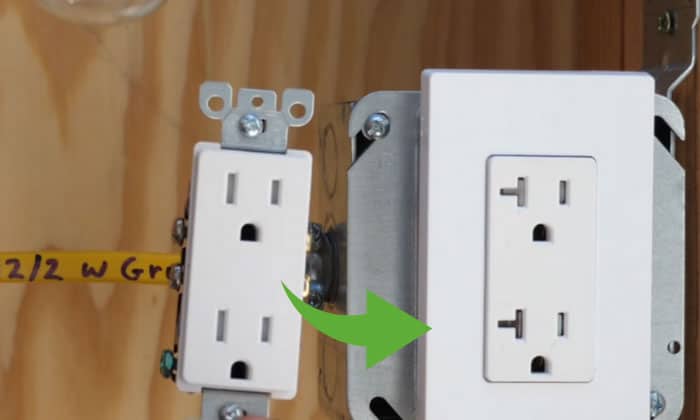
The wires themselves on a 20-amp circuit are typically 12-gauge. These are thicker and tougher than the 14-gauge wires for a 15-amp circuit. They can handle that full 20 amps without overheating. So, your circuit's foundation is built for 20 amps.
The Outlet's Role: A Gentle Reminder
So, where does our little 15 amp outlet fit? Well, the outlet itself is designed to handle up to 15 amps of continuous current. Most everyday household appliances – lamps, phone chargers, TVs, even your toaster – rarely pull over 15 amps. Many are well under 10 amps.
If an appliance somehow tries to draw more than 15 amps, the circuit breaker, that trusty bouncer, is still there. If the total demand from all things plugged into that 20-amp circuit exceeds 20 amps, BAM! The breaker trips. Problem solved.
The "Unpopular" Opinion (That's Not So Unpopular After All)
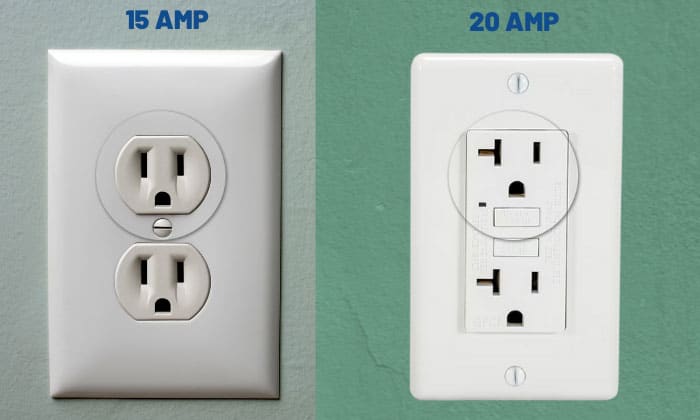
Here's the playful "unpopular" opinion: It's absolutely fine. It’s smart. It’s practical. It's standard practice. Why? While the circuit wiring handles 20 amps, most individual devices don't need a 20-amp-specific outlet. A true 20-amp outlet has a small horizontal slot on one vertical pin, preventing a standard 15-amp plug. This is mostly for dedicated heavy-duty appliances that really need 20 amps directly.
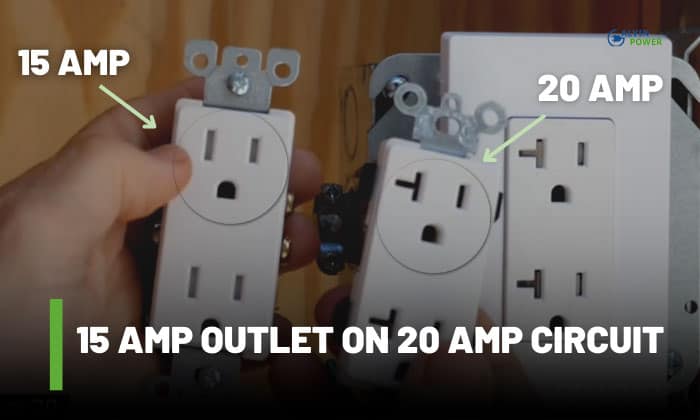
So, with 15 amp outlets on a 20 amp circuit, you get the robust protection of a 20-amp breaker and thick 12-gauge wires, but with universal compatibility for standard plugs. It’s like having a big, sturdy truck (the 20-amp circuit) that can carry a lot, but you mostly use it for grocery runs (your 15-amp appliances). You have the capacity if you need it.
Smile, It's Wired Right
So next time you peek behind a faceplate or consult your breaker box, and you see that seemingly mismatched pair – a 15 amp outlet on a 20 amp circuit – don't fret. Just offer a quiet nod of appreciation to the clever folks who designed our electrical systems. It's common sense, not a shortcut.
It's just another perfectly normal, perfectly safe, and perfectly logical part of your home's hidden electrical life. Go forth and plug in with confidence!