
14 Gauge Wire For 20 Amp Circuit

Ever peeked behind an electrical outlet or watched an electrician work and wondered about all those different colored wires? It might seem like a mystical dance of copper and plastic, but understanding the basics of electrical wiring can be surprisingly fun and incredibly useful, especially if you're a homeowner or DIY enthusiast. Today, we're diving into a common question that pops up in many home projects: "Can I use 14 gauge wire for a 20 amp circuit?" Let's unravel this electrical mystery together!
Why is this topic so popular? Because our homes are buzzing with electricity, powering everything from our morning coffee to our evening Netflix binge. Choosing the right wire for the job isn't just about making things work; it's about safety, efficiency, and peace of mind. Getting it wrong can lead to flickering lights, tripped breakers, or even worse, a fire hazard. So, understanding wire gauges and amp ratings is genuinely empowering!
First, let's clarify what we mean by "gauge" and "amp." A wire's gauge refers to its thickness. Here's a little trick: the smaller the gauge number, the thicker the wire. So, 12 gauge wire is thicker than 14 gauge, and 14 gauge is thicker than 16 gauge, and so on. Think of it like a garden hose – a thicker hose can handle more water flow. Similarly, a thicker wire can safely carry more electrical current, measured in amperes, or "amps."
Must Read
Now, to the heart of our question: 14 gauge wire for a 20 amp circuit. The short and sweet answer, according to the National Electrical Code (NEC) which governs safe electrical installations, is almost always no! Generally, 14 gauge wire is rated for a maximum of 15 amps. It's perfectly suited for lighting circuits, general-purpose outlets that don't power heavy-duty appliances, and other lower-draw applications.
So, what happens if you connect 14 gauge wire to a 20 amp circuit? Think of that garden hose again. If you try to push too much water through a thin hose, it might burst, or at least struggle. With electricity, pushing 20 amps through a wire designed for 15 amps causes the wire to overheat. This isn't just a minor issue; prolonged overheating can melt the wire's insulation, create a short circuit, or even ignite surrounding materials, leading to a serious fire. Your circuit breaker is designed to trip and prevent this, but it's always best to have the proper wire from the start.
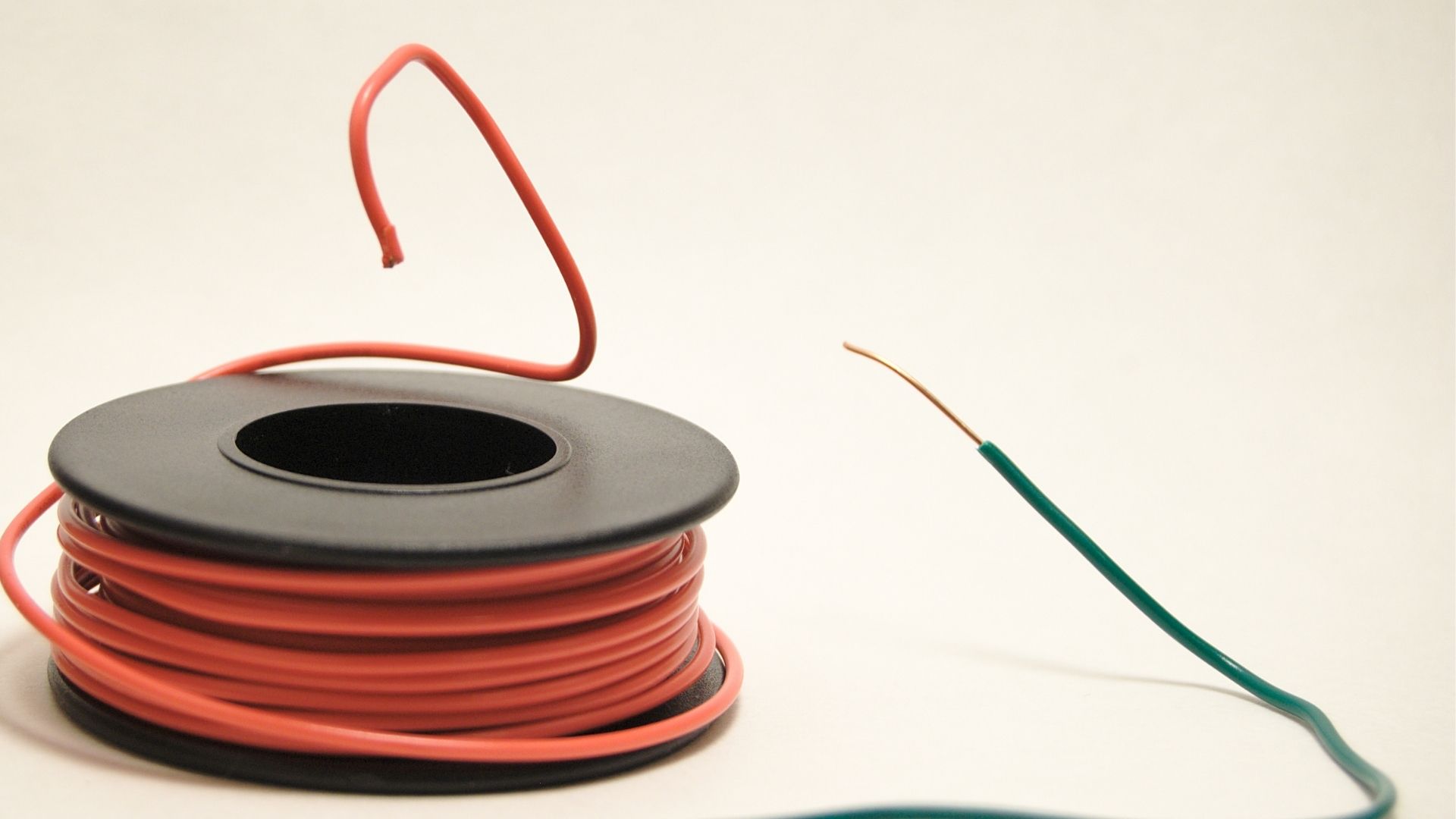
For a 20 amp circuit, such as those typically used for kitchen outlets (where you might plug in a toaster and a blender simultaneously), bathroom outlets, or dedicated circuits for power tools, you should almost always use 12 gauge wire. This thicker wire can safely handle the higher current without overheating, ensuring your appliances run smoothly and, most importantly, safely.
The benefits of using the correct wire gauge are clear: you prevent dangerous overheating, ensure your circuit breakers can do their job effectively, and provide a reliable power supply to your devices. It's about building a robust and safe electrical system for your home. While this guide offers general advice, remember that local codes and specific project needs can vary. When in doubt, it's always smart to consult a qualified electrician or your local building codes to ensure your electrical work is up to snuff!


