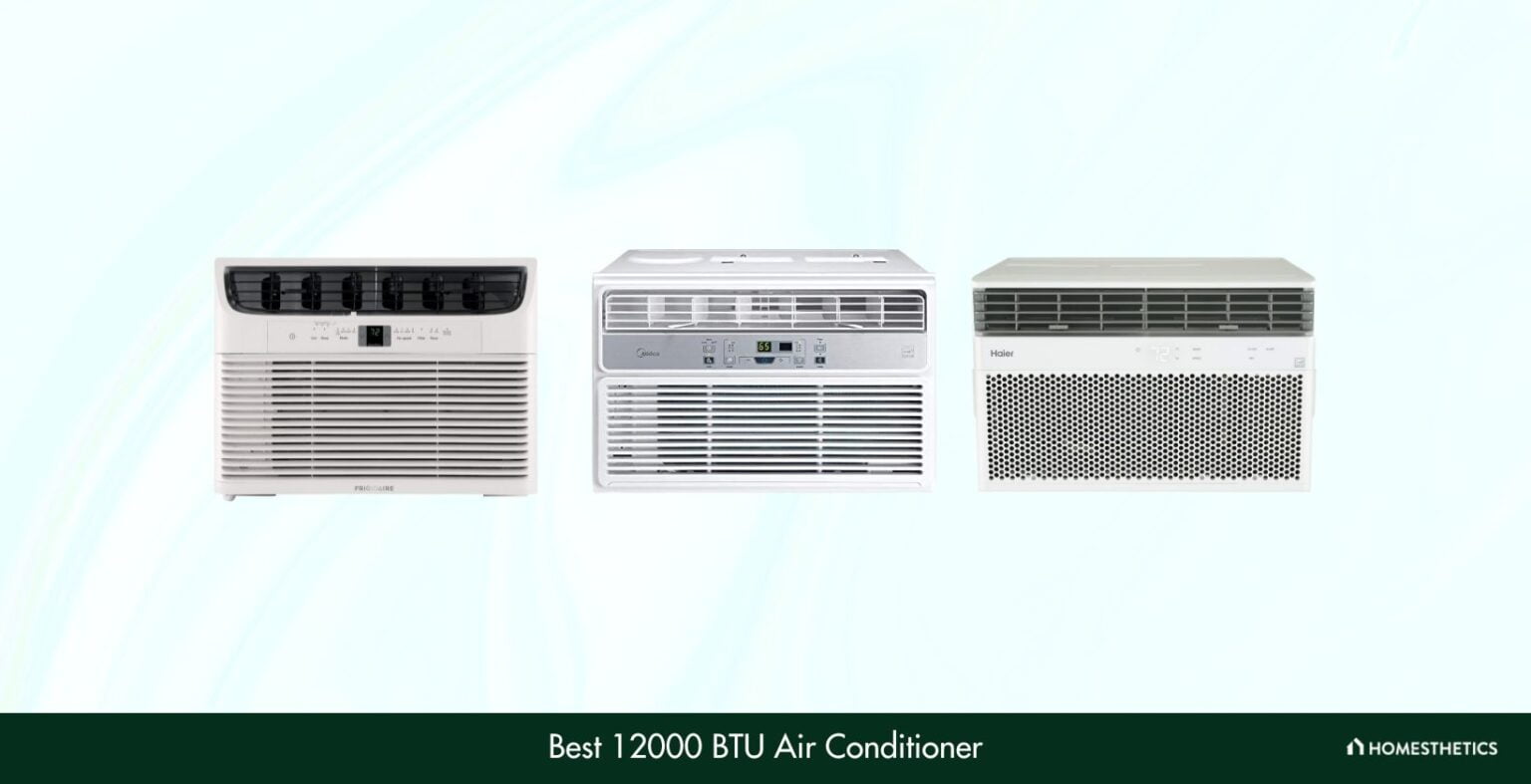
12000 Btu Air Conditioner Sq Ft
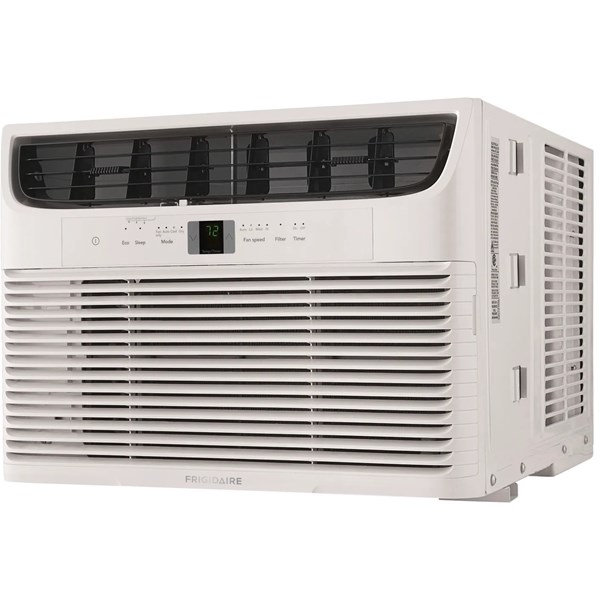
Alright, gather ‘round, my friends, because we need to talk about something crucial, something that stands between you and a summer meltdown: the mighty air conditioner. Specifically, we're diving headfirst into the baffling world of the 12,000 BTU AC and its mysterious relationship with your living space’s square footage.
Picture this: It's the dog days of summer. You're trying to work, or maybe just exist, but your shirt is already glued to your back, and your internal temperature feels like a small, angry sun. You decide, "Enough! I'm buying an AC!" You march into the store (or, let's be real, click "add to cart"), and then BAM! You're hit with terms like "BTU" and "SEER" and "tons," and suddenly, cooling your home feels like trying to solve a quantum physics equation while simultaneously juggling flaming chainsaws. Don't worry, I'm here to demystify it, one silly analogy at a time.
What in the World is a BTU Anyway?
Let's tackle the beast: BTU. It stands for British Thermal Unit. Sounds incredibly fancy, right? Like something Sherlock Holmes would use to measure the heat of a clue. But really, it’s just a unit of heat energy. In AC terms, it tells you how much heat your air conditioner can remove from a room per hour. Think of it as your AC's superpower rating. A higher BTU number means a more powerful AC, capable of kicking more heat out the door. It’s essentially saying, "I can banish X amount of heat demons from your abode!"
Must Read
So, a 12,000 BTU air conditioner? That's a pretty robust heat-banisher! It’s not the biggest monster on the block, nor is it the smallest little whisperer. It’s often considered the Goldilocks zone for many average-sized rooms.
The Sweet Spot: 12,000 BTU and Your Square Footage
Here's where the magic really happens. The big question everyone asks is: "How much space can a 12,000 BTU unit actually cool?" Drumroll, please… Generally speaking, a 12,000 BTU air conditioner is ideal for rooms between 450 to 550 square feet. That's a pretty decent chunk of real estate!
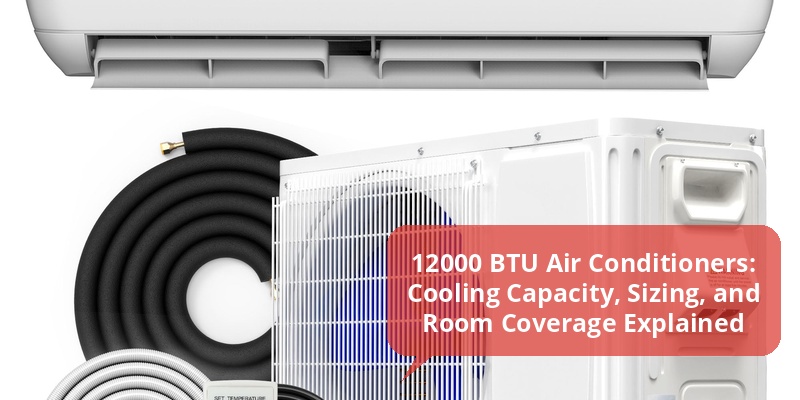
Imagine your living room, or a master bedroom. If it's roughly 20x25 feet, or 22x25 feet, then bingo! You've found your cooling soulmate. It’s like finding the perfect shoe size – not too big, not too small, just right for frolicking comfortably.
Why Does Getting the Size Right Matter So Much?
You might think, "Oh, I'll just get the biggest one possible! More power, right?" Wrong, my friend, so very wrong! This is where people often stumble into the clammy abyss of AC disappointment. It's not like buying ice cream where more is always better.

Too Small: The Sweaty Struggle
If your AC is too small for your room (say, you try to cool a 700 sq ft space with a 12,000 BTU unit), it's going to be perpetually playing catch-up. It'll run and run and run, humming its little heart out, but it'll never quite reach your desired temperature. You'll still be sweating, your energy bill will skyrocket, and your poor AC will die an early, overworked death. It's like trying to cool a full-sized swimming pool with a single ice cube. Adorable effort, utterly futile result.
Too Big: The Icy, Clammy Trap
Now, this is the surprising one. If your AC is too big for your room (e.g., trying to cool a 300 sq ft office with a 12,000 BTU unit), it will cool the air down too quickly. Sounds good, right? Not really. It'll switch off before it has a chance to properly dehumidify the air. You'll end up with a room that's cold but also damp and clammy. Nobody wants to feel like they're living inside a giant, refrigerated sponge! Plus, constantly cycling on and off is actually less energy-efficient and puts more wear and tear on the unit. It's like using a firehose to water a tiny potted plant – messy, overkill, and probably going to drown the poor little sprout.
But Wait, There's More! Factors Beyond Square Footage
While square footage is your primary guide, it’s not the only player in this cooling game. Think of these as the "bonus boss levels" of AC selection:
- Windows, glorious windows! If your room has lots of windows, especially south or west-facing ones that bake in the afternoon sun, you'll need a little extra BTU power. Sunlight is a heat magnet!
- High ceilings: Is your room more like a cathedral than a cozy den? Taller ceilings mean more air volume to cool, so you might need to bump up your BTU estimate.
- Insulation situation: A well-insulated room holds cold air better, allowing your AC to work less hard. A drafty, poorly insulated room is like trying to cool the great outdoors.
- People and appliances: Every warm body (that's you!) and every heat-generating appliance (TVs, computers, refrigerators) adds heat to a room. If it's a bustling family room, factor that in.
- Climate considerations: Live in a super humid area? Dehumidification is extra important, and sometimes a slightly larger unit helps with that, but generally, sticking to the square footage guidelines is best.
Your Cooling Quest: Be a BTU Detective!
So, what’s the takeaway here? Don't just guess! Grab a tape measure, figure out your room's square footage (length x width), and then use that golden 450-550 sq ft guideline for a 12,000 BTU unit as your starting point. Then, consider those extra factors. When in doubt, it's often better to consult the manufacturer's specific recommendations or even a local HVAC professional.
Choosing the right size air conditioner isn't just about comfort; it's about energy efficiency and the longevity of your unit. Get it right, and you'll be chilling like a villain all summer long, without breaking the bank or feeling like you're living in a swamp. Happy cooling, my friends!