12 Volt Battery State Of Charge
We live in a world powered by batteries, don't we? From our smartphones to our cars, our camping lanterns to our boats, these silent workhorses keep our modern lives humming. But how often do we actually stop to think about the unsung hero powering our adventures? More specifically, about its state of charge?
Think of your 12-volt battery like your own personal energy tank, or even a good friend. Just like you need a good night's sleep to perform at your best, your battery thrives when it's well-rested and properly "fed." Understanding its state of charge (SOC) isn't just for mechanics; it's a golden ticket to smoother road trips, reliable off-grid escapades, and avoiding those "oh no!" moments.
What Exactly is "State of Charge"?
In simple terms, State of Charge (SOC) is a fancy way of saying how full your battery is. It’s the percentage of electrical energy stored in a battery relative to its capacity. Imagine it as the fuel gauge on your car, but for electricity. Knowing this percentage is crucial because it dictates not only how long your devices will run but also the overall health and lifespan of your battery.
Must Read
A battery that consistently runs low is like a person constantly burning the candle at both ends – it eventually wears out faster. A well-maintained SOC keeps your battery happy, healthy, and ready to deliver power when you need it most.
Why Does Knowing Your SOC Matter So Much?
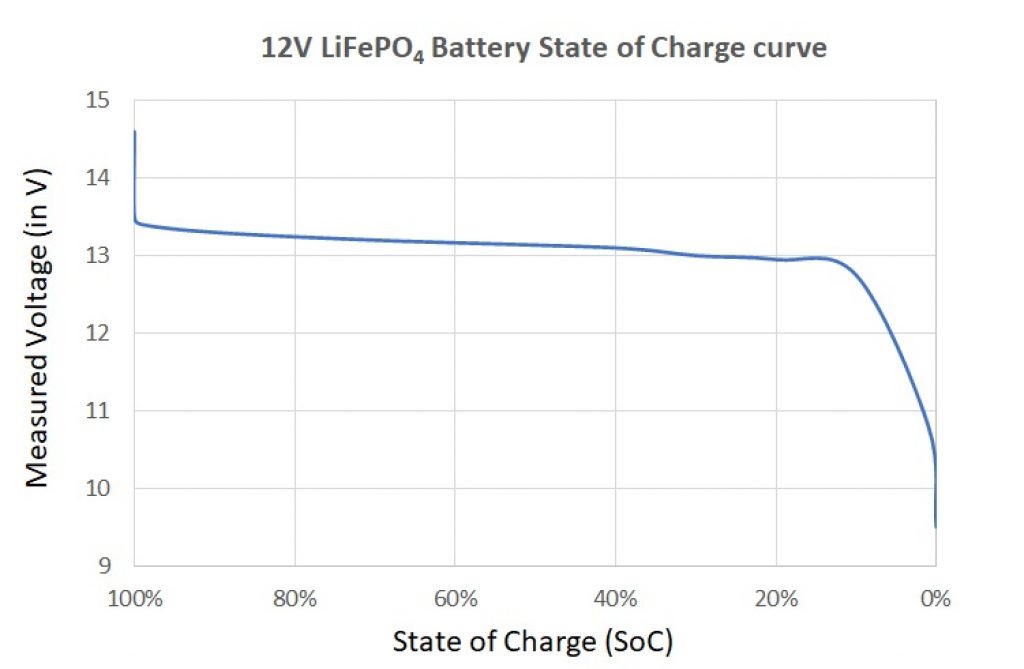
Beyond preventing the dreaded dead battery scenario, understanding SOC is key to longevity. Batteries, especially lead-acid ones (the common 12-volt variety), don't like to be deeply discharged. Each time they dip too low, it's like a tiny chunk of their future lifespan gets chipped away. Consistently keeping your battery above certain thresholds can significantly extend its working life, saving you money and hassle in the long run.
Plus, let's be honest, there's a certain peace of mind that comes with knowing your power source is ready for action, whether you're caravanning through the Outback or just trying to start your car on a chilly morning.
The Magic Numbers: Volts and Percentages
So, how do you actually measure this "fullness"? For a 12-volt lead-acid battery, we primarily look at its voltage. It's a surprisingly straightforward way to gauge its charge, especially when the battery is at rest (not actively charging or discharging).
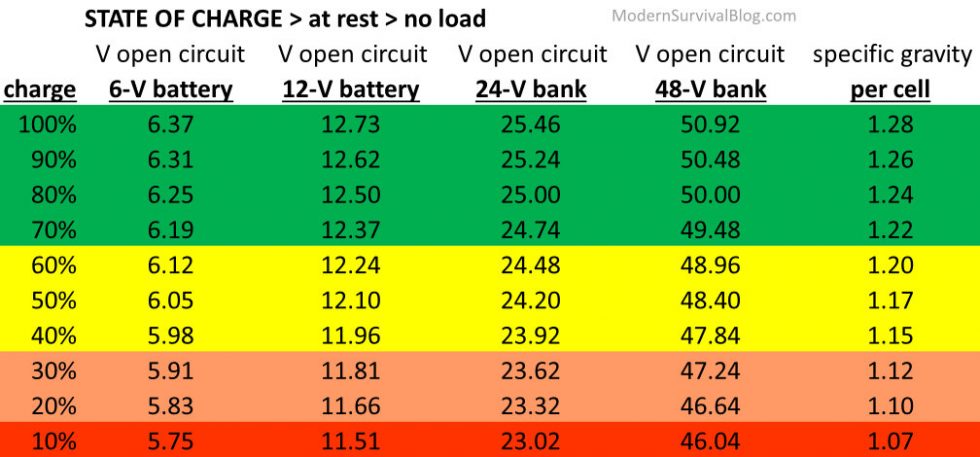
Here’s a quick cheat sheet for a typical 12-volt lead-acid battery at rest:
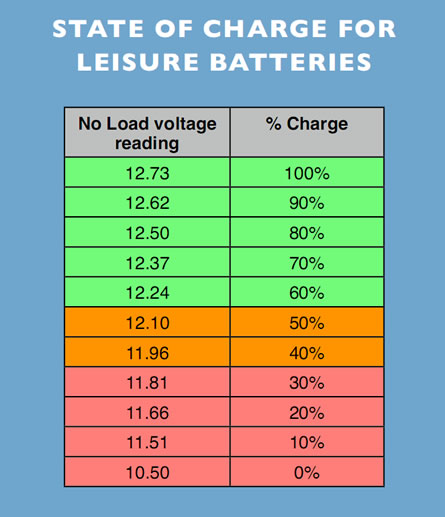
- 12.6V or higher: Congratulations! Your battery is 100% charged. You're living the dream.
- 12.4V: About 75% charged. Still good, but keep an eye on it.
- 12.2V: Roughly 50% charged. This is getting low; time to think about recharging.
- 12.0V or lower: You're dipping below 25%. This is a critical zone and can cause damage if left discharged. Recharge ASAP!
Practical Tip: To check this, grab a simple voltmeter (they're inexpensive and invaluable!) or check your RV's built-in monitor. Ensure no major loads are running, and ideally, let the battery rest for an hour or two after any charging/discharging for the most accurate reading.
What Drains the Tank (and How to Keep it Full)?
Everything from leaving your headlights on to running your fridge in your RV sips power from your battery. Even when everything seems "off," there can be parasitic draws – tiny components that constantly use a small amount of power (think your car's clock or alarm system). It's like leaving a tap dripping slightly. Over time, it adds up!

To keep your battery's SOC in the sweet spot, consider:
- Regular Top-Ups: If your vehicle or appliance isn't used often, a smart charger (often called a "trickle" or "maintainer" charger) can be your battery's best friend, keeping it topped off without overcharging.
- Minimize Deep Discharges: Try to avoid letting your battery drop below 50% SOC regularly. It's truly detrimental to its lifespan.
- Mind the Temperature: Batteries don't love extreme heat or cold. Their performance and ability to hold a charge are affected by the mercury.
More Than Just Wires and Chemical Reactions
Understanding 12-volt battery state of charge isn't just about technical specs; it's about empowerment. It's about having the knowledge to confidently set off on that spontaneous camping trip, knowing your fridge will keep humming. It’s about the joy of an engine firing up instantly, or your off-grid cabin having lights all evening.
In a way, managing your battery's state of charge is a lot like managing your own energy levels. We thrive when we're well-rested, properly fueled, and not pushed to our absolute limits day in and day out. Just as you wouldn't run your own "battery" on empty for too long, treat your 12-volt power pack with the same respect. A little attention goes a long way in ensuring smooth sailing (or driving, or camping!) in all your electrified adventures.